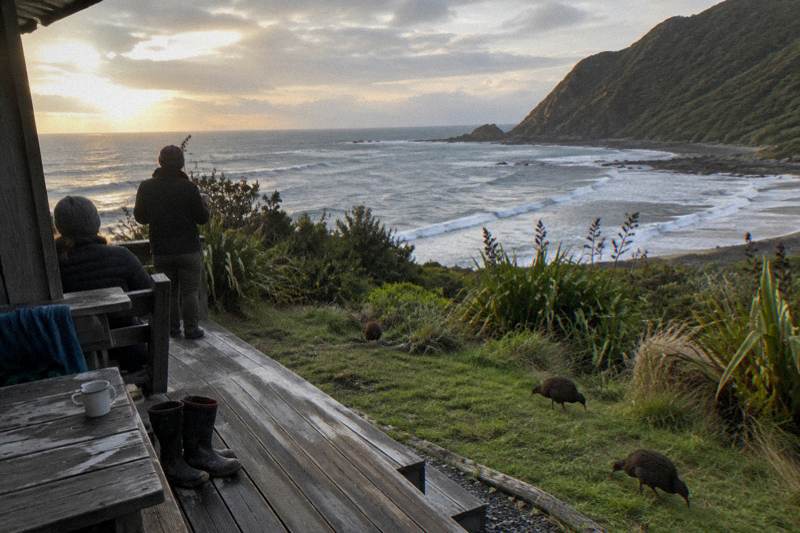
Where To See Kiwi Birds In New Zealand: The Kapiti Island And Wellington Options
Where to see kiwi birds in New Zealand: the Kapiti Island overnight night walk, the Nga Manu resident pair and the Zealandia night tour, with prices, durations and honest sighting expectations.
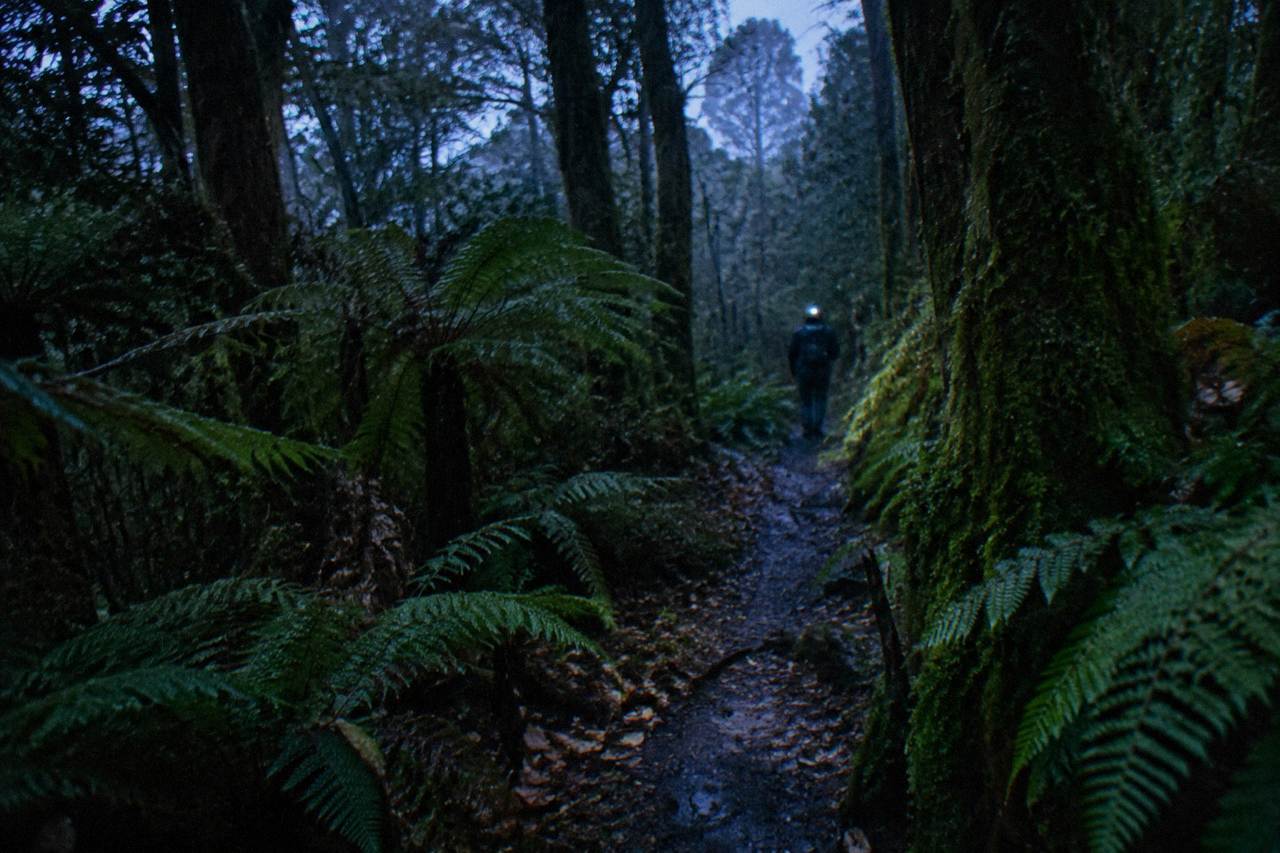
Kapiti Island is one of the few places in the country where wild little spotted kiwi still roam free, a species extinct on the mainland, and it sits 5 km off the Kapiti Coast. Around it, within roughly an hour of Wellington, sit two more night wildlife experiences: a resident pair of North Island brown kiwi at Nga Manu Nature Reserve in Waikanae, and the guided night tour at Zealandia in Karori. Each one runs its own way, at its own price and with its own chance of a wild kiwi encounter, and only one of them is built around the birds. To weigh those options side by side, the guide to the birds and night walks on a Kapiti Island tour explains which species each trip targets and how the experiences differ.
This page sticks to the Kapiti Coast and Wellington options, because that is where this site's own tours run. The figures below come from the tour pages themselves: prices as from figures in USD, durations and group sizes. What no operator on this page will do is promise you a kiwi, and that constraint shapes everything that follows.
Where Can You See Wild Kiwi Near Wellington?
The wildest kiwi experience near Wellington is the overnight trip on Kapiti Island, which includes a guided night walk looking for ruru, korora and kiwi pukupuku, from $401.73 per person for 2 days with meals included. Kapiti Island Nature Tours, the only DOC-listed concessionaire for the island, says plainly that it cannot guarantee a kiwi sighting. The wild birds are little spotted kiwi, a species that no longer survives on the mainland. To fill the daylight hours before that night walk, the practical rundown of things to do on Kapiti Island covers the guided walks, the birds you might spot, and the north end lagoon.
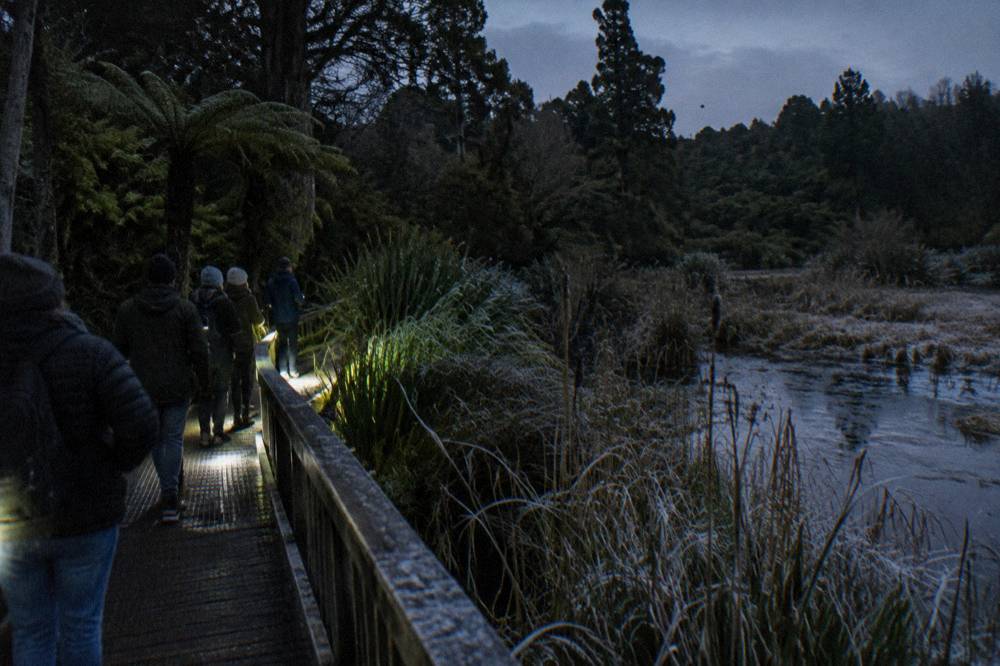
The overnight trip runs 2 days and 1 night, boards at Paraparaumu Beach roughly an hour north of Wellington, and is rated 4.9 across 484 reviews, the second most reviewed tour on this site after its own day trip sibling. The stay is on the operator's private land at Waiorua Bay, in a cabin, tent or ensuite room, each with its own rate. DOC does not permit overnight stays inside the nature reserve itself, so you sleep on the operator's private land and join a guided night walk from there.
What makes this the genuine article is that the kiwi here are not in a habitat or a nocturnal house. They are wild birds on a predator-free island that DOC describes as one of the largest accessible island bird sanctuaries in New Zealand. Rats were eradicated by aerial drop in September and October 1996, and the island is a DOC nature reserve with strict biosecurity rules. A night walk here is a search, not a viewing, and the group maximum is 18.
The trade-off is certainty. The operator asks for quiet clothing on the night walk, because nylon and jandals can disturb kiwi, and it states on its own pages that a sighting cannot be guaranteed. Weather adds another layer: this trip needs good weather, and a weather cancellation earns another date or a full refund, with free cancellation up to 24 hours before the start.
If the overnight commitment is too much, two shorter evening options sit closer to Wellington, and each offers a different kind of kiwi encounter. The first is a dusk viewing of a resident pair in a purpose-built habitat, and the second is a guided night walk in a mainland sanctuary where kiwi are present but never promised. The sections below take them one at a time, with the prices and rules that matter.
Can You See Kiwi On Kapiti Island Without Staying The Night?
Day trips to Kapiti Island do not include a night walk, and kiwi are nocturnal, so the day tour format is built around forest birds rather than kiwi spotting. The 5-Hour Day Tour from $186.78 per person, rated 4.8 across 576 reviews, includes the ferry, an introductory talk, a guided nature and history walk of about 1 hour and lunch at the lodge. DOC says saddlebacks, stitchbirds and takahe are often seen in daylight.
That said, the crossing itself can produce wildlife. DOC's own guidance names gannets, fluttering shearwaters and little blue penguins as often seen from the boat, and orca, seals and korora only if you are really lucky. None of it is promised, and the operator's pages make no sighting claims for the crossing. The day tour is best understood as the forest-bird version of Kapiti: kaka, weka, kereru, tui and bellbird are all named by DOC as present, and the inquisitive kaka and weka are famous for investigating unattended bags.
- Zealandia Tours$40.23
- Kapiti Coast Nature Tours$56.90
- Wellington Seal Coast Tours$112.07
- Kapiti Island Tours$186.78
For a reader whose goal is specifically a kiwi, the honest answer is that the island's kiwi experiences belong to the night. That means either the overnight trip's guided night walk on the private land at Waiorua, or one of the two mainland alternatives below. The day tour still delivers a full day on the island, with an introductory talk, a guided walk of about 1 hour and lunch at the lodge.
What Is The Kapiti Island Overnight Kiwi Spotting Tour Like?
The 2 Days 1 Night trip from $401.73 per person includes the return ferry, a DOC permit, dinner, breakfast and two lunches, and a guided night walk looking for ruru, korora and kiwi pukupuku on the operator's private land at Waiorua Bay. It is rated 4.9 across 484 reviews, caps the group at 18, and its booking pages read free cancellation up to 24 hours before the start, full refund.
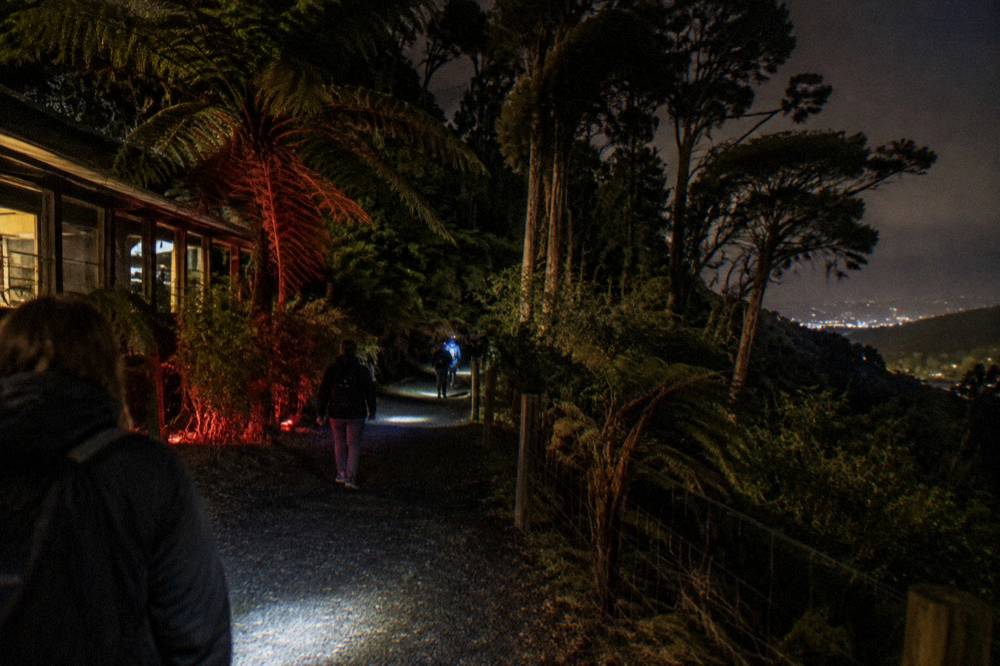
The structure is simple. You cross from Paraparaumu Beach, a crossing of about 15 to 20 minutes according to the operator, check in at its office on Marine Parade 20 to 40 minutes before sailing, and spend the night in a cabin, tent or ensuite on the private land, each with its own rate. After dark the guide leads the night walk. Ruru and korora are the other named targets, and the operator asks for quiet clothing because rustling fabric can disturb kiwi. Cabins and glamping tents have solar lights and no power supply.
Two things to plan around. The booking pages for this trip and the day tour ask guests to phone between 7 and 7:15 am on the day to confirm the tour is going ahead, and the trip needs good weather. There is no shop on the island and nowhere to buy food, but this trip's meals are included, which removes the main packing burden.
The overnight is the only tour on this page with a guided night walk looking for kiwi pukupuku on Kapiti Island, though no sighting is guaranteed, and the price reflects a two-day product with accommodation and meals rather than a single evening. Age and health terms sit on the booking page, and the overnight page asks for moderate fitness; the island's tracks are unpaved and the island is not wheelchair accessible.
What Is The Nga Manu Kiwi Night Encounter?
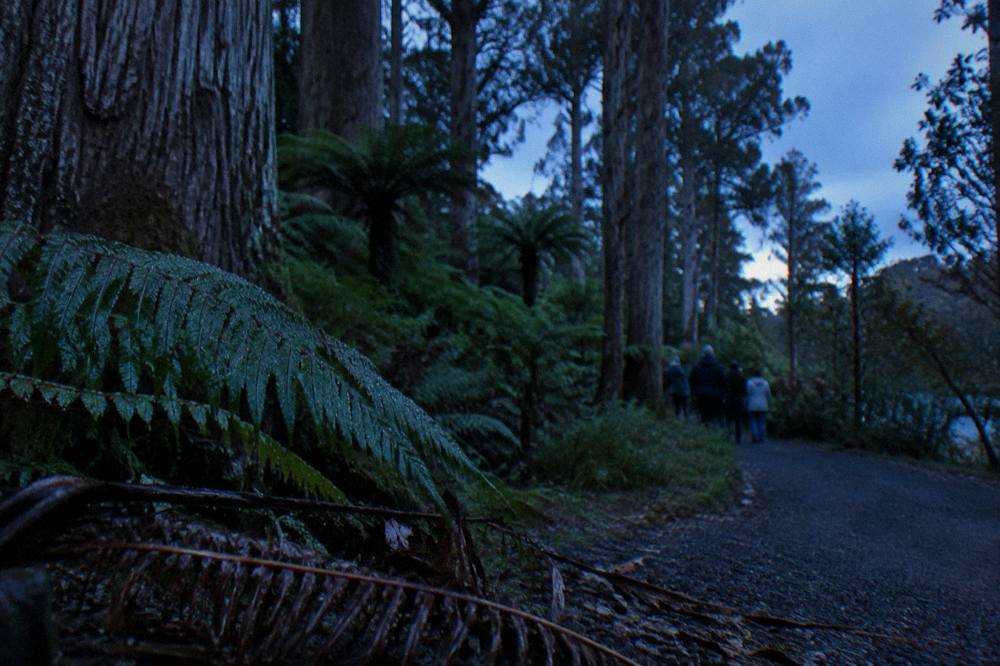
The Nga Manu Kiwi Night Encounter is from $56.90 per person for 1 hour 30 minutes at Nga Manu Nature Reserve in Waikanae, where guests get an informational session and are escorted to the kiwi habitat at dusk to view a resident pair of North Island brown kiwi. The group maximum is 10, photography is not allowed, and the encounter runs in a Thursday to Sunday window with free cancellation up to 24 hours before the start.
Rather than a search, this is a visit to a resident pair in a purpose-built habitat. Nga Manu is a 14 ha reserve at Waikanae, run by the Nga Manu Trust since 1974 and open to the public since 1981, holding one of the largest remnants of coastal lowland swamp forest on the Kapiti Coast. The encounter is different in kind from Kapiti's wild walk, and the two should never be conflated: these are North Island brown kiwi in a habitat, while Kapiti's are wild little spotted kiwi, extinct on the mainland.
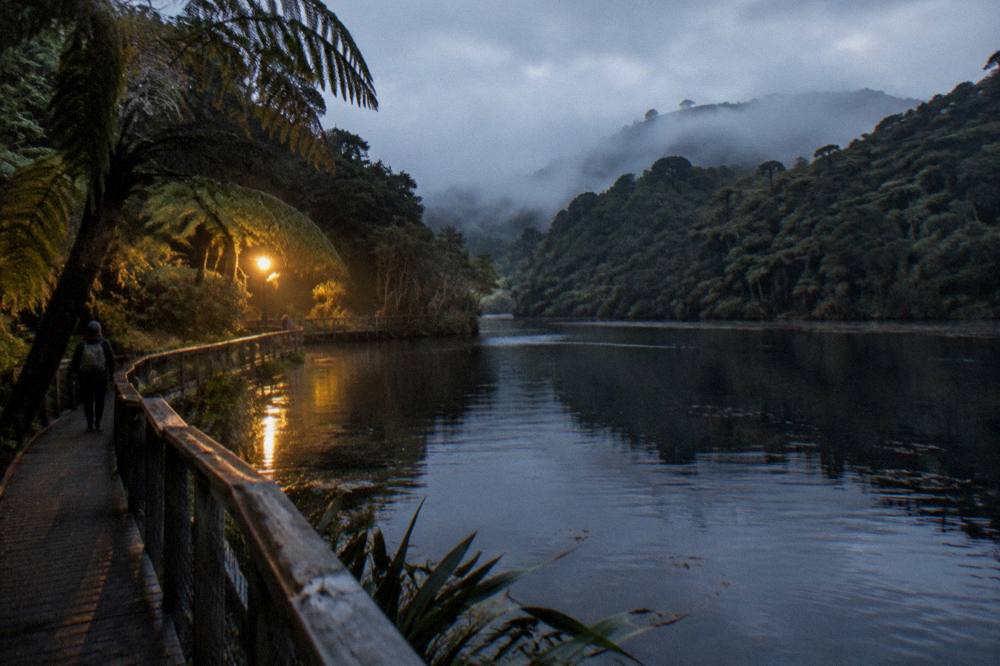
The attraction is reliability at a low price and a short commitment. Plan your own travel: the meeting point is the reserve visitor centre in Waikanae, and the encounter carries a minimum-numbers clause, meaning another date or experience, or a full refund, if the minimum is not met.
Age terms sit on the booking page. The no-photography rule is firm, so the memory is the point, not the shot.
Does The Zealandia Night Tour Show Kiwi?
The Zealandia Small Group Eco Wildlife Night Tour, from $68.97 per person for 2 hours 30 minutes in Karori, is a guided night walk in the sanctuary, rated 4.8 across 162 reviews with a group maximum of 12 and a minimum age of 12. Zealandia records more than 40 native bird species in the sanctuary, but this tour makes no kiwi claim, so treat any kiwi encounter as a possibility rather than the product.
The tour is guided, meets at the Zealandia Visitor Centre at 53 Waiapu Road in Karori, and runs in all weather conditions, so dress for it; the operator says so directly, and no weather refund is promised. Hotel pickup is not included.
For a Wellington-based traveller without a car or a spare day, this is the most practical night option on the page: it starts in a Wellington suburb, finishes the same evening, and costs less than a quarter of the island overnight. Minimum age 12 rules it out for younger children, where the Zealandia Twilight Tour, minimum age 5, from $63.22 per person, is the family alternative, though it is a dusk walk rather than a night one.
Where To See Kiwi Birds In New Zealand
For most travellers starting from Wellington, the realistic shortlist is three options: the Kapiti Island overnight night walk from $401.73 per person for 2 days with wild little spotted kiwi and no guarantee, the Nga Manu dusk encounter at $56.90 per person with a resident pair, and the Zealandia night tour at $68.97 per person with no kiwi claim. Each is a different product, and the right choice depends on certainty versus wilderness. If you're still weighing certainty against wilderness, the guide to the Kapiti Island night walk and its alternatives spells out exactly what each experience can and cannot promise.
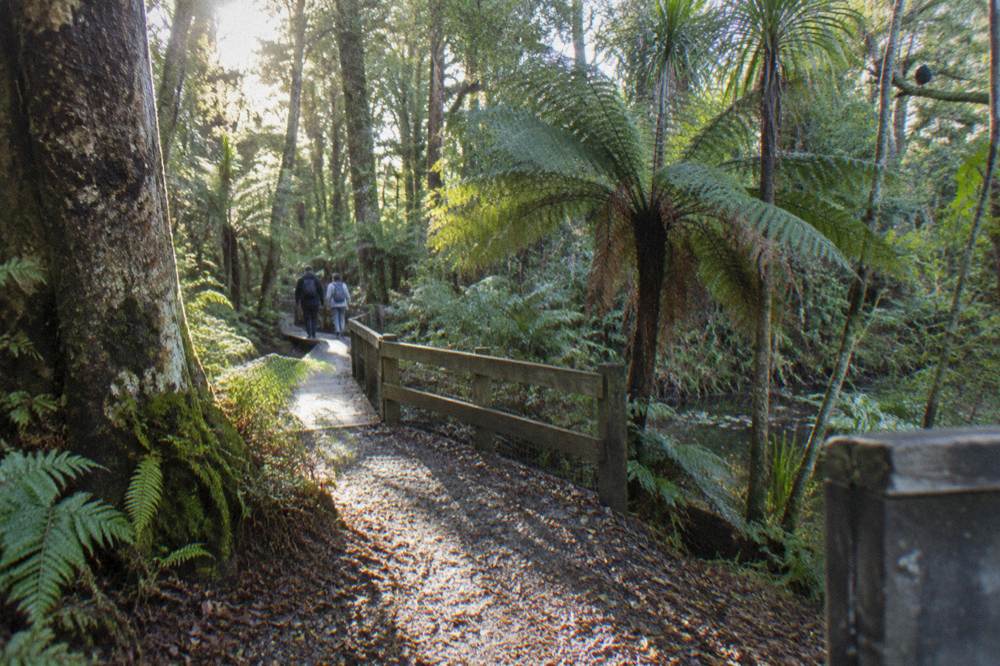
The pattern across the three is the trade every kiwi seeker faces. Wild kiwi need night, silence, patience and luck; a resident pair offers a viewing in a short visit. Kapiti's overnight is the wilderness end: an island DOC reserved as a bird sanctuary in 1897, reached only with approved operators, with private boats barred from landing. Nga Manu is the reserve option. Zealandia sits between them, a mainland sanctuary where the night itself, rather than any single species, is the product.
One planning note that surprises people: the cheapest tour on this site overall is not a kiwi product at all but the Zealandia day tour at $40.23 per person, and the cheapest Kapiti Island trip is the 5-Hour Day Tour at $186.78 per person.
| Night option | Place | Duration | From price | Basis | Group max | Reviews |
|---|---|---|---|---|---|---|
| Kapiti Island overnight night walk | Waiorua Bay, Kapiti Island | 2 days, 1 night | $401.73 | per person for 2 days, meals included | 18 | 4.9 across 484 reviews |
| Nga Manu Kiwi Night Encounter | Waikanae | 1 hour 30 minutes | $56.90 | per person | 10 | 6 reviews |
| Zealandia Night Tour, Small Group | Karori, Wellington | 2 hours 30 minutes | $68.97 | per person | 12 | 4.8 across 162 reviews |
The comparison table above is a facts sheet, not a ranking: the overnight is a two-day product with a bed and four meals, while the other two are single evenings. Comparing them on price alone misses that the overnight buys a night on a predator-free island, something neither mainland option can offer.
What Should You Know Before A Kiwi Night Tour?
Three rules shape every kiwi night out on this page: keep 10 m from wildlife with the animals having right of way, expect bag inspections before any island boarding, and read each tour's own cancellation terms, since all three night options here read free cancellation up to 24 hours before the start with a full refund. Biosecurity on Kapiti Island is strict: bags are inspected and unpacked, and open bags of food are not allowed.
DOC's island rules are detailed and enforced. Check clothing, footwear and bags for pests, soil, seeds and plant material before boarding, keep food in sealed containers, pack out all rubbish including fruit pips and cores, and take nothing off the island. No pets, no smoking or vaping, no fires or portable cooking stoves, and drones need a permit. The operator adds that footwear and ground-contact gear should be cleaned within 48 hours of sailing, and a biosecurity team screens at check-in. Weka and kaka are expert at getting into bags, so keep belongings out of reach.
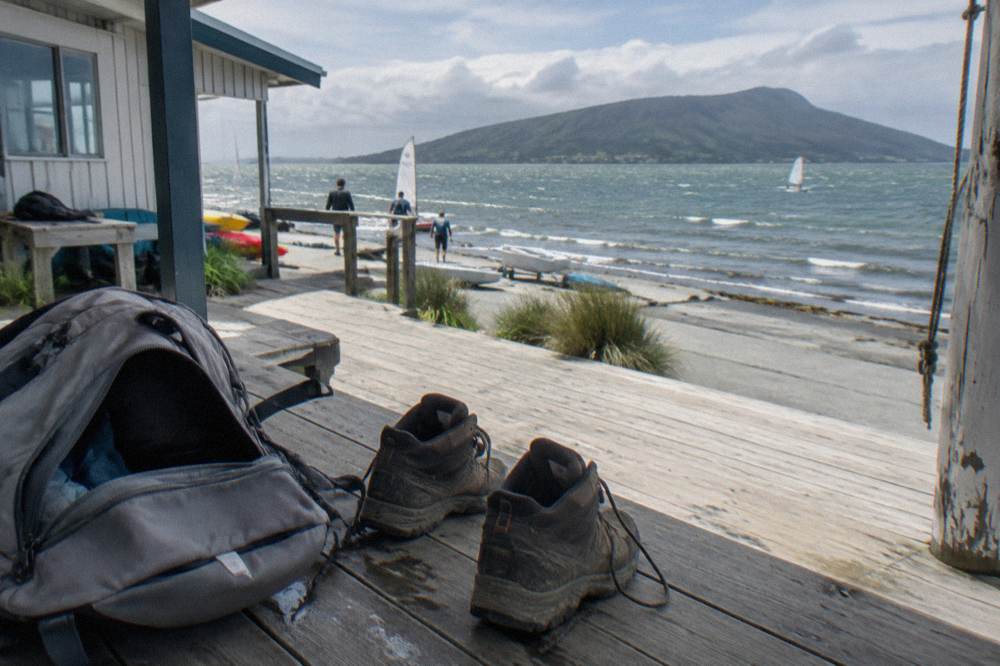
Season and daylight matter too. The island operator's season runs 1 September to 30 June, with sailings usually daily October to mid-May and Friday to Sunday in the shoulder months depending on demand. Ferry departures fall in the morning and are confirmed at booking and by text the day before, per the operator.
| Practical point | Kapiti Island overnight | Nga Manu encounter | Zealandia night tour |
|---|---|---|---|
| Starts at | Paraparaumu Beach ferry | Waikanae visitor centre | Karori visitor centre |
| Getting there | Own travel to Paraparaumu Beach | Own travel | Own travel |
| Weather | Good weather needed, another date or full refund | No weather clause | Runs in all weather, dress for it |
| Minimum age | On the booking page | On the booking page | 12 |
| Meal | Dinner, breakfast, 2 lunches | Not stated | Not included |
| Photography | On the booking page | Not allowed | On the booking page |
Which Kiwi Experience Should You Book First?
Book by what you want most: a viewing of a resident pair at $56.90 per person at Nga Manu, a wild island night walk with meals and a bed from $401.73 per person for 2 days on Kapiti, or a guided sanctuary night at $68.97 per person at Zealandia with no kiwi claim. If the kiwi is the whole point of the trip and the dates are fixed, the Nga Manu encounter is the habitat choice.
If the goal is the story, the island, and the chance of a wild little spotted kiwi on a predator-free reserve, the overnight is the one to build a trip around. A good next read is the overnight stay planning guide and, for the crossing itself, the ferry and boat crossing guide.
Travellers balancing budget and certainty can pair the two: the Nga Manu encounter for close views of a resident pair, then a Zealandia night tour for the sanctuary atmosphere, all for less than a single island overnight. But the overnight is the only one of the three that puts you on wild kiwi ground after dark, and no mainland evening can match that.
Common Questions About Seeing Kiwi Birds
Where To See Kiwi Birds In New Zealand?
Near Wellington, the realistic options are the Kapiti Island overnight night walk from $401.73 per person for 2 days, the Nga Manu Kiwi Night Encounter at Waikanae from $56.90 per person, and the Zealandia night tour in Karori from $68.97 per person. Only the Nga Manu encounter offers a resident pair; Kapiti offers wild kiwi with no guarantee.
Can You See Kiwi On Kapiti Island?
You can, on the overnight trip's guided night walk, which looks for ruru, korora and kiwi pukupuku on the operator's private land at Waiorua Bay. The operator says it cannot guarantee a kiwi sighting. Day tours do not include a night walk, and kiwi are nocturnal.
Is The Nga Manu Kiwi Encounter Guaranteed?
It is a dusk viewing of a resident pair of North Island brown kiwi in a purpose-built habitat, so the birds are present rather than searched for. Photography is not allowed, the group maximum is 10, and the encounter runs in a Thursday to Sunday window with a minimum-numbers clause.
Does The Zealandia Night Tour Promise Kiwi?
No. The tour is a guided night walk of the sanctuary rated 4.8 across 162 reviews, and it makes no kiwi claim. More than 40 native bird species have been recorded at Zealandia, though no sighting of any species, kiwi included, is guaranteed.
What Is The Cheapest Kiwi Night Tour Near Wellington?
The Nga Manu Kiwi Night Encounter at $56.90 per person, followed by the Zealandia night tour at $68.97 per person. The Kapiti Island overnight, from $401.73 per person for 2 days, is a two-day product with accommodation and meals included, so it sits apart from single-evening prices.
Can Children Go On A Kiwi Night Tour?
The Zealandia night tour has a minimum age of 12, and its twilight tour a minimum age of 5. For the Kapiti overnight and the Nga Manu encounter, the age terms sit on the booking page. No tour on this page promises a sighting to any guest.