Kapiti Island Overnight Stay: How The Night Trip Works
The overnight stay on Kapiti Island runs on the operator's private land at Waiorua Bay, not inside the DOC nature reserve. Here is how the two-day trip works, what it costs, what the night walk involves, and how it compares with the day options.
Short answer
The Kapiti Island overnight trip runs 2 days and 1 night, from $401.73 per person for 2 days, with dinner, breakfast and two lunches included and a maximum group of 18. You sleep on the operator's private land at Waiorua Bay in a cabin, tent or ensuite room, each with its own rate, and a guided night walk looks for ruru, korora and kiwi pukupuku.
Few New Zealand overnight trips begin with a biosecurity bag check and end with a guided walk in the dark looking for a bird that is extinct on the mainland. The Kapiti Island overnight stay is that trip, and it works differently from almost every other wildlife experience in the country, because the island is a DOC nature reserve where private boats may not land and overnight stays are not permitted inside the reserve itself. Everything about the night, from where you sleep to what you eat, runs through one operator. Since the whole trip hinges on that single boat crossing, the guide to Kapiti Island weather cancellations and refunds explains what the operator pays back if the skipper calls the day off.
This page walks through the whole experience in order: the accommodation at Waiorua Bay, what the fare covers, the night walk, the fitness and access realities, the island rules, the weather policy, and an honest look at the day-tour alternatives if two days is more than your plans allow. For reaching the island, Kapiti Island Tours covers every option, so the comparisons here draw on the full range of trips rather than a single product page.
Where Do You Actually Sleep On A Kapiti Island Overnight Stay?
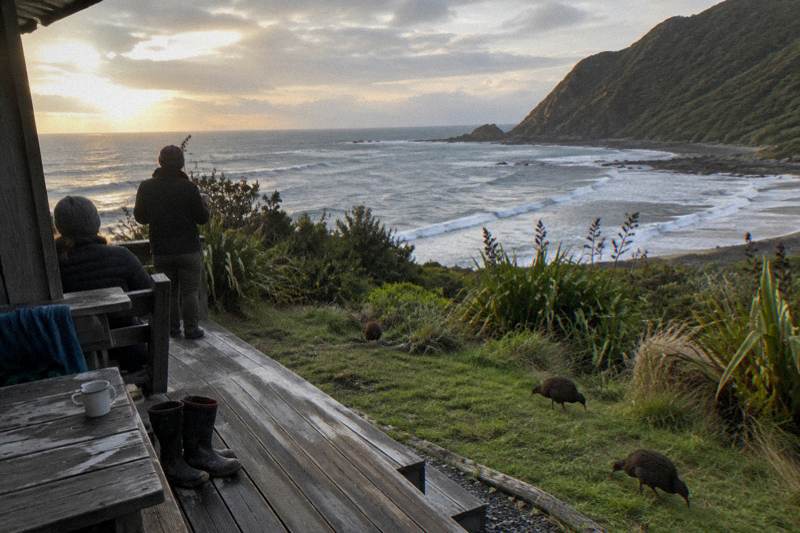
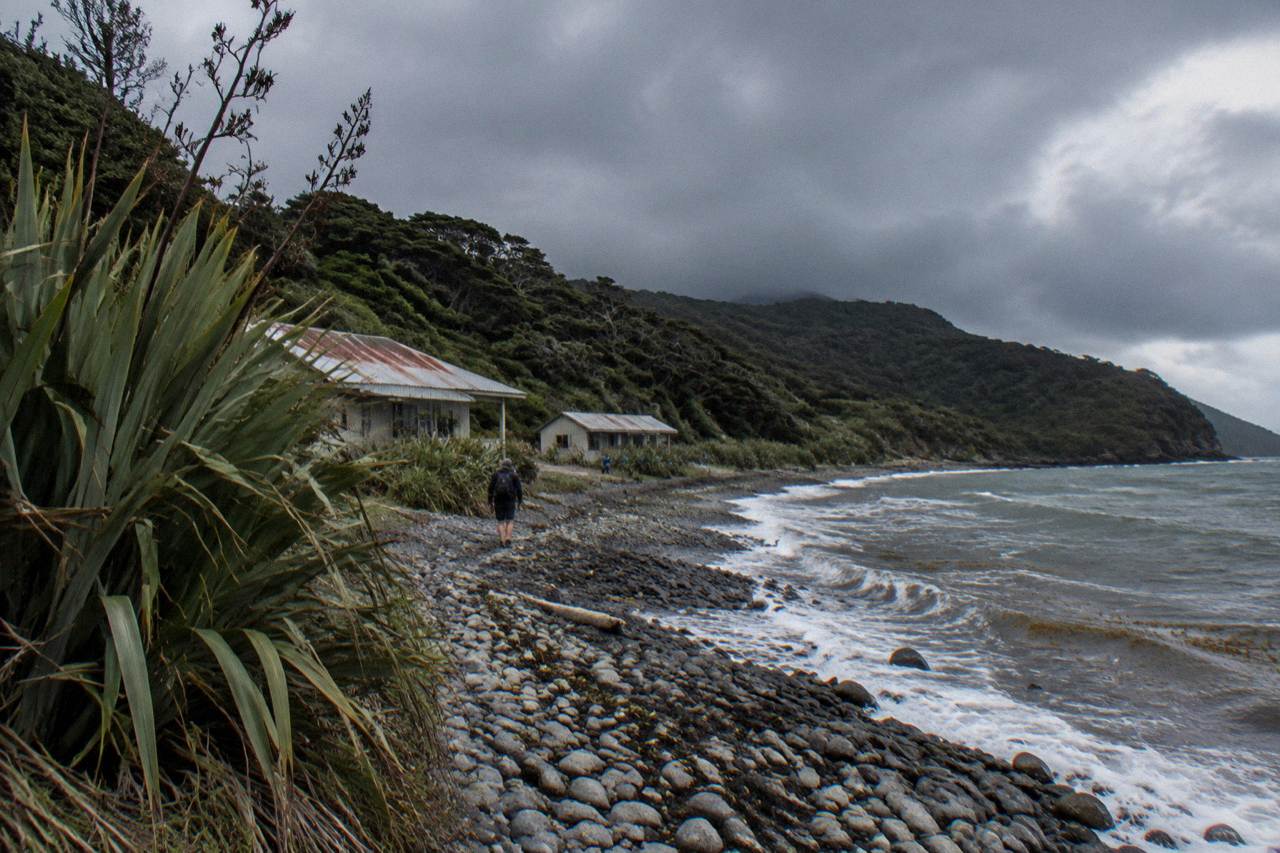
You sleep on the operator's private land at Waiorua Bay, never inside the DOC nature reserve. DOC does not permit overnight stays within the reserve; the operator holds private land around Waiorua Bay, on the island's northern side, where its lodge, cabins and tents sit. Local tangata whenua kept 13 hectares around the bay, and the lodge stands on that land today.
That distinction matters more than it first appears. Kapiti Island is 1,965 hectares of predator-free nature reserve, reserved as a bird sanctuary in 1897 and stewarded by DOC since 1987, and the rules inside the reserve are strict: formed tracks only, no fires, nothing taken off the island. The overnight accommodation sits outside that framework, on privately held ground at the bay where the boats land on the northern side. Guests get the reserve's daytime walking and its birdlife, then retreat to the private land for the evening meal and the night.
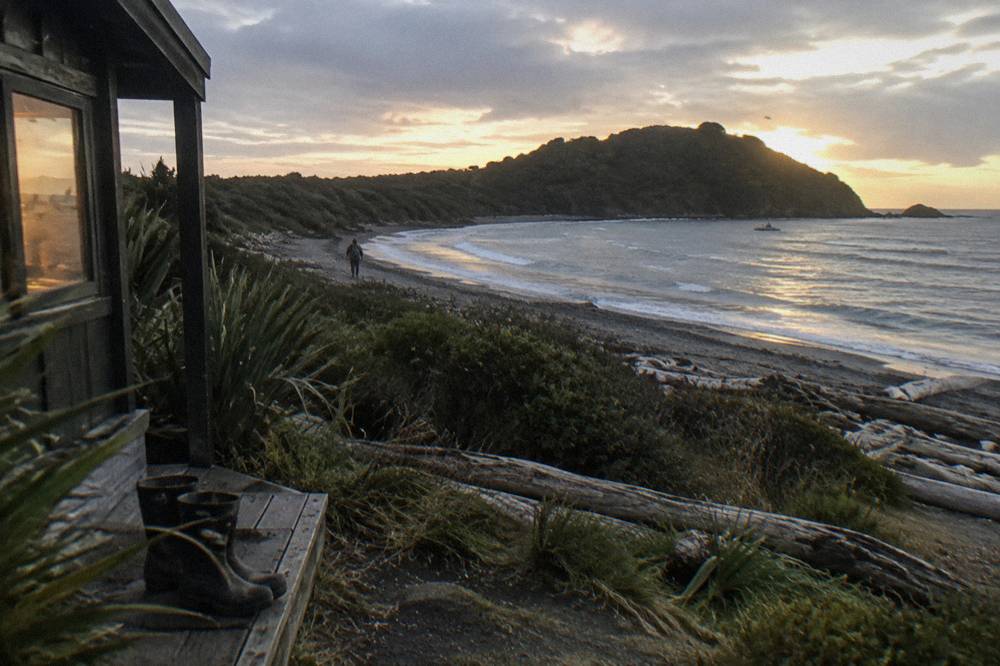
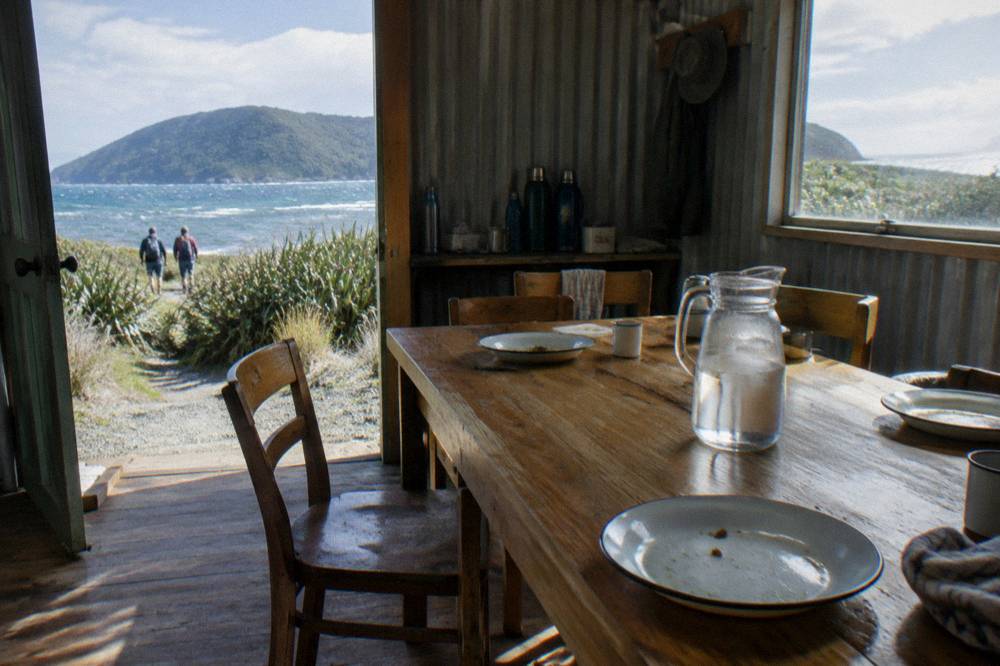
The accommodation itself comes in three forms: a cabin, a tent, or an ensuite room, and each carries its own rate on the booking page, which is why the trip's headline price is written "from" and why no single figure covers every sleeper. Cabins and tents have solar lights and no power supply, so a charged phone battery and a head torch with a red-light mode are genuinely practical choices rather than luxuries. It is worth being clear-eyed about comfort: this is a conservation lodge on an island with no shop, no mains power at the tents, and untreated water, not a mainland hotel.
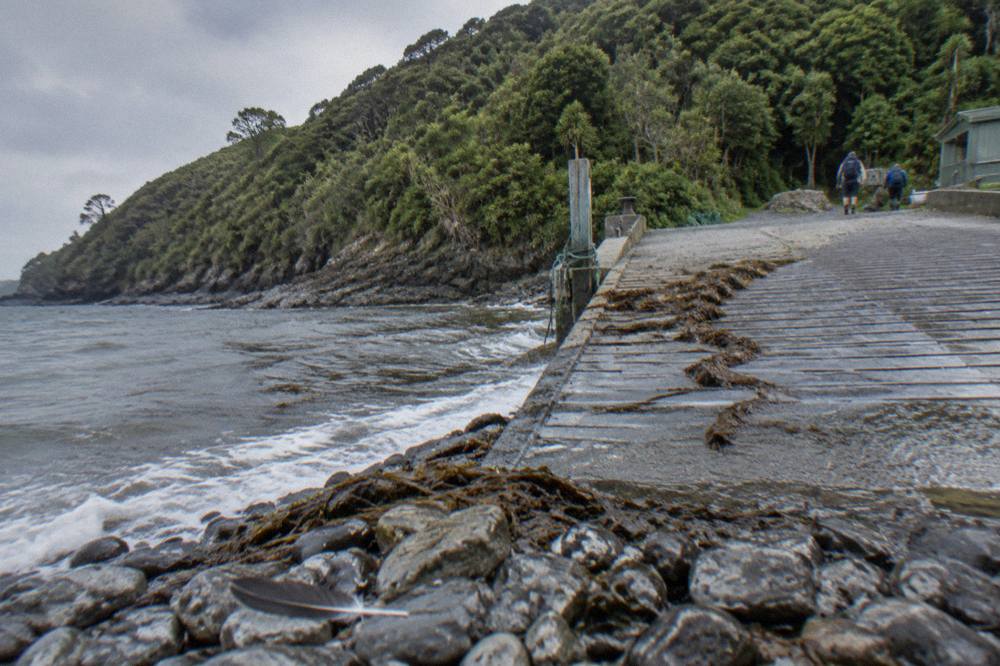
The landing itself sets the tone for the whole stay. Boats arrive at a stony beach by ramp, tracks are unpaved, and the island is not wheelchair accessible. Prams are hard to manage and a carrier is advised for small children. None of this is hidden: the operator states it plainly, and it shapes who the overnight trip suits.
What Does The Kapiti Island Overnight Trip Include?
The trip runs 2 days and 1 night and includes the return ferry, the DOC permit, an introductory talk, all meals on the island (dinner, breakfast and two lunches), and a guided night walk looking for ruru, korora and kiwi pukupuku. The group is capped at 18 people. It starts at Paraparaumu Beach, where check-in is at the operator's office on Marine Parade, roughly an hour north of Wellington by road.
- Zealandia Tours$40.23
- Kapiti Coast Nature Tours$56.90
- Wellington Seal Coast Tours$112.07
- Kapiti Island Tours$186.78
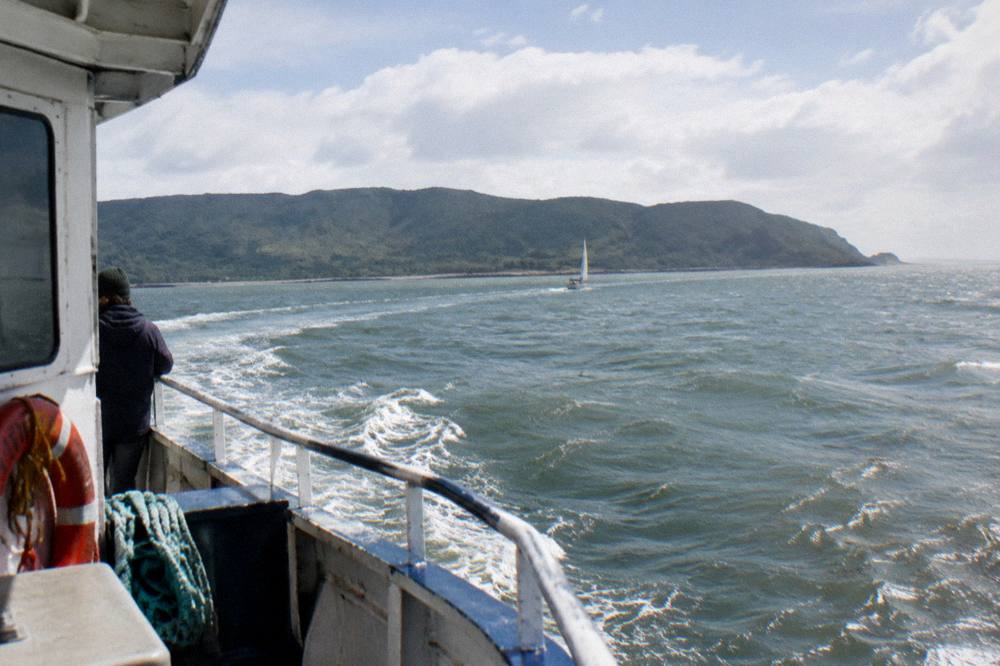
The DOC permit is the part many travellers overlook. Private boats, kayaks, jetskis, paddleboards and swimmers may not land on Kapiti, and access runs only through approved operators; the permit is folded into the fare. The crossing itself takes about 15 to 20 minutes across the Rauoterangi Channel, according to the operator.
| What the trip covers | Detail |
|---|---|
| Duration | 2 days, 1 night |
| Price | From $401.73 per person for 2 days |
| Meals | Dinner, breakfast and 2 lunches |
| Group size | Maximum 18 people |
| Getting there | Return ferry from Paraparaumu Beach |
| Permits | DOC permit included |
| Night activity | Guided night walk for ruru, korora and kiwi pukupuku |
| Cancellation | Free cancellation up to 24 hours before the start, full refund |
| Weather | Needs good weather; a weather cancellation gets another date or a full refund |
| Guide | Yes |
Two practical notes sit behind that table. First, hotel pickup is not part of this trip: it is listed under exclusions, and the journey to Paraparaumu Beach is your own. Second, there is no shop on the island and nowhere to buy food, but with dinner, breakfast and two lunches included, bringing your own food matters less here than it does on the day trips.
The operator season runs 1 September to 30 June, with sailings usually daily from October to mid-May and Friday to Sunday in the shoulder months depending on demand. The lodge closes between Christmas and New Year and the ferry runs day trips only then, so the overnight is unavailable that week regardless of availability. The guide to overnight kiwi spotting on Kapiti Island covers the night walk in more depth if that is the part pulling you toward the two-day trip.
The overnight trip is rated 4.9 across 484 reviews, the second most reviewed product on this site behind the same operator's five-hour day tour with 576 reviews. Check availability on the overnight if the dates in your window are still open.
How Much Does A Kapiti Island Overnight Stay Cost?
The overnight trip is from $401.73 per person for 2 days. That figure is the entry rate and it sits apart from every day-trip price comparison on this site, because the accommodation tier changes it: cabin, tent and ensuite each carry their own rate on the booking page. Meals, ferry, permit and the guided walks are inside the fare either way, and cancellation is free up to 24 hours before the start for a full refund.
The honest way to read the price is as two components bundled into one. The first covers the logistics: the return ferry, the DOC permit that makes landing legal, four meals, an introductory talk and the guided night walk. The second is the bed at Waiorua Bay, and that is the moving part. Because each accommodation type is priced separately, two travellers on the same departure can pay different totals, and the "from" figure describes the lowest tier.
The cheapest Kapiti Island trip is the same operator's five-hour day tour at $186.78 per person, with lunch included. The overnight is deliberately kept off that scale: it is a different product with a different basis, a per-person rate covering two days, not a premium version of the day trip.
A few costs around the edges are worth flagging. Travel to Paraparaumu Beach is your own arrangement; the operator lists a free public car park at the Kapiti Boating Club and says there is no parking on the beach. Alcohol and snacks beyond the included meals are not part of the fare, and there is nowhere on the island to buy them. If your budget sits between the day tour and the overnight, the Kapiti Island Nature Tours prices guide breaks down every option the operator runs.
Can You See Kiwi On A Kapiti Island Overnight Stay?
You may. The trip includes a guided night walk looking for ruru, korora and kiwi pukupuku, the little spotted kiwi that is extinct on the mainland, and the operator says plainly that it cannot guarantee a kiwi sighting. No tour on this site promises any bird. What the overnight genuinely offers is time: night on the island, when the day crowds have gone and the walks shift to the hours when those birds are active.
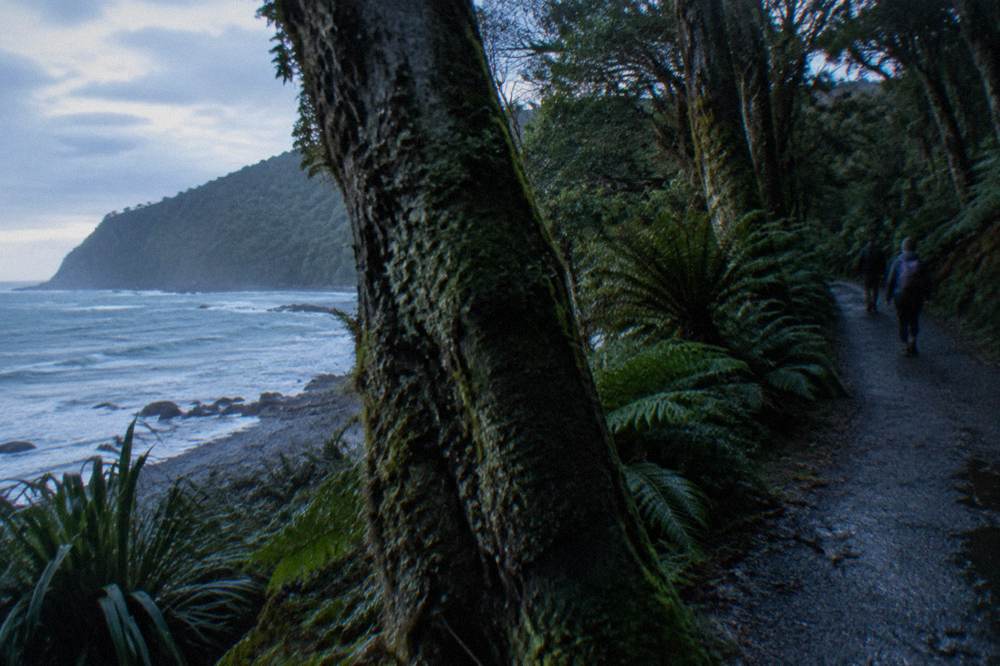
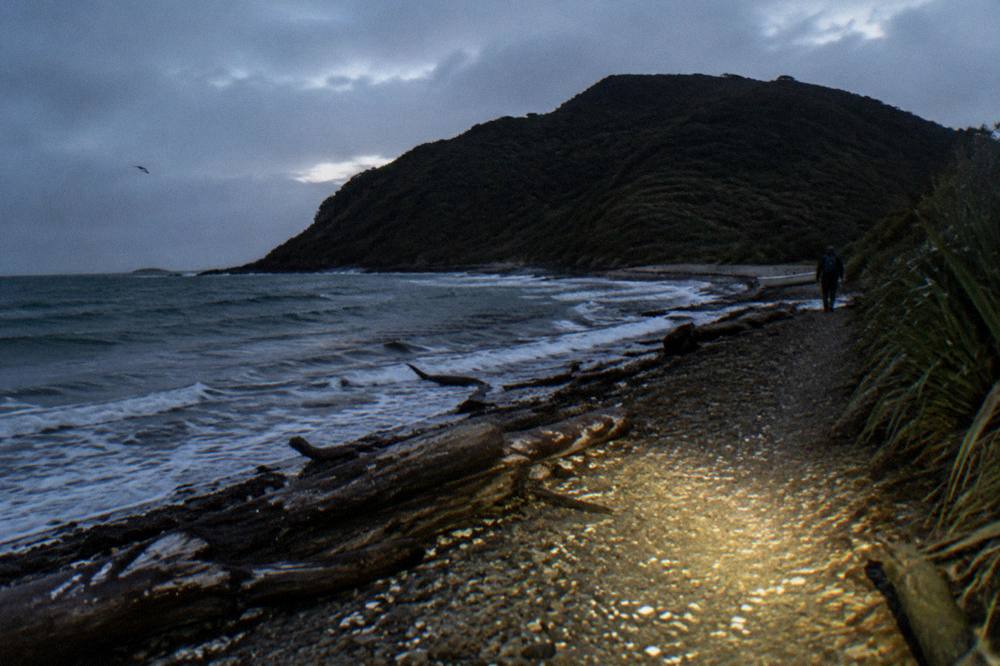
The night walk is the heart of the trip and the reason most people book it. Kapiti's kiwi are wild little spotted kiwi, and the operator's guidance is refreshingly free of hype: sightings happen, they are not promised, and the number of birds on the island is not something this site prints because DOC and the operator themselves give different figures. What you control is preparation. The operator asks for quiet clothing for kiwi spotting, because fabrics like nylon, and footwear like jandals, can disturb kiwi.
Ruru and korora, morepork and little blue penguin, are the other two species named on the night walk, and DOC's island material adds that gannets, fluttering shearwaters and little penguins are often seen from the boat. On the water itself, DOC's own wording is that orca, seals and korora appear "if you're really lucky", and that is exactly how any crossing sighting should be held: as a gift, not an itinerary item.
It is worth separating this experience from the Nga Manu kiwi night encounter in Waikanae, which is a different product entirely. Nga Manu is a 14-hectare mainland reserve where guests get an informational session and are escorted at dusk to a purpose-built habitat holding a resident pair of North Island brown kiwi, from $56.90 per person for 1 hour 30 minutes, maximum 10 people, Thursday to Sunday, no photography. It is a guided dusk visit for a chance to see a resident pair in their habitat. The Kapiti overnight is a chance, in wild darkness, with wild birds. Some travellers do both, and the guide to kiwi spotting tours near Wellington compares them side by side.
How Fit Do You Need To Be For A Kapiti Island Overnight Stay?
The booking page asks for moderate fitness. Tracks on Kapiti are unpaved, the landing is a stony beach reached by ramp, and the island is not wheelchair accessible, with prams hard to manage and a carrier advised for small children. The overnight trip does not require a summit push, but it does involve walking on dirt tracks, in the dark, over two days.
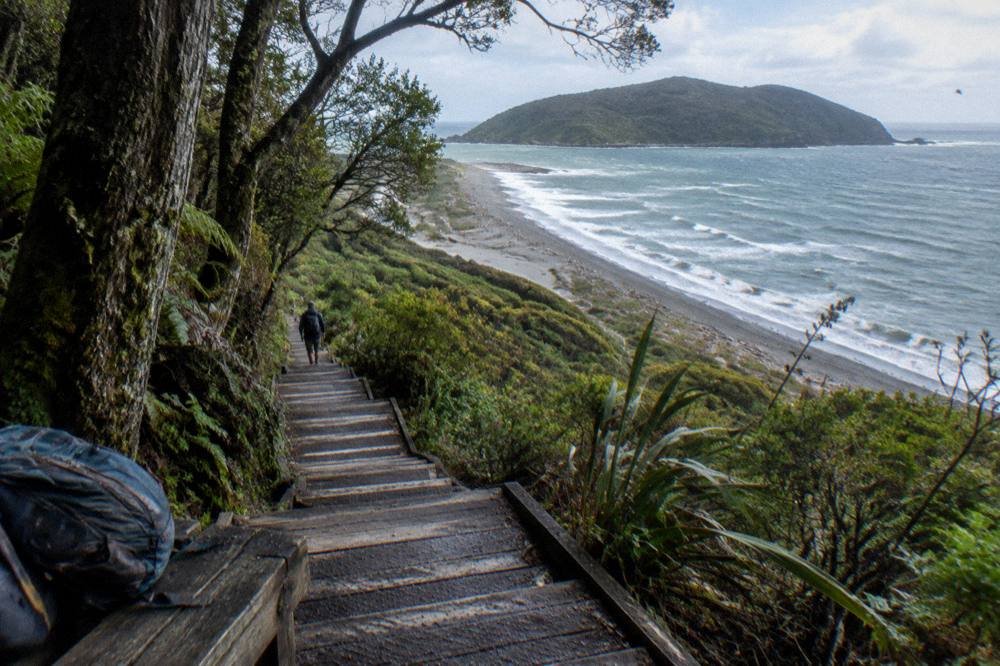
The tracks around the island's two public areas, Rangatira and the North End near Waiorua, are the ones an overnight guest is most likely to touch. DOC's brochure gives the Rangatira Loop Track as 1 hour 30 minutes, a 1.8-kilometre loop passing whaling trypots, a historic whare and a wetland boardwalk. At the North End, the Okupe Valley Loop is 1 hour 30 minutes, a 4.8-kilometre loop on a gentle gradient to a 198-metre lookout above the western cliffs with views over Okupe Lagoon. The Boulder Bank Loop, 45 minutes and 2 kilometres, closes from October to March for nesting seabirds.
Note that it is not currently possible to walk from Rangatira to Waiorua, so the overnight guest's world is anchored around the northern landing and the private land beside it, with the ferry handling the distances between areas. The guided walks on the trip itself are paced for the group; the day tour's guided nature and history walk, for comparison, runs about an hour.
Facilities are simpler than many first-timers expect, and knowing this in advance is the difference between a good night and a frustrated one:
| Facility | Rangatira | Waiorua Bay area |
|---|---|---|
| Toilets | Yes | Yes |
| Public shelter | Yes | Yes |
| Fresh drinking water at the shelter | Yes | No |
| Shop or food purchase | No | No |
| Power at accommodation | N/A | Solar lights, no power supply |
| Water treatment | Untreated, bring your own | Untreated, bring your own |
DOC advises that all water on the island is untreated and that visitors bring their own, which for an overnight guest means carrying enough bottled water for two days or confirming with the operator what the lodge provides. A torch with spare batteries, layered clothing for a night outdoors on a windswept island, and a bag that closes properly, more on that below, cover most of the rest.
What Are The Rules On A Kapiti Island Overnight Stay?
Kapiti is a predator-free island and every visitor passes biosecurity before boarding. Bags are inspected and unpacked, clothing, footwear and gear are checked for pests, soil, seeds and plant material, food must be in sealed containers, and open bags of food are not allowed. On the island: keep 10 metres from wildlife, keep to formed tracks, pack out all rubbish, no fires or stoves, no smoking or vaping, no pets, and drones need a permit.
The stakes behind the checks are real. DOC records the rat eradication of September and October 1996, when kiore and Norway rats were removed by aerial drop, after the removal of goats in 1928 and of possums between 1980 and 1986. The operator asks for clean footwear and ground-contact gear within 48 hours of sailing and runs a biosecurity team at check-in.
The island rules themselves are straightforward, and a few bear on an overnight guest specifically. Weka and kaka are inquisitive and expert at getting into bags, so belongings stay out of reach, and with no shop and nowhere to buy replacements, a ransacked daypack is a bigger problem at 9 pm on an island than in a city car park. Rubbish, including fruit pips and cores, leaves with you. Wildlife has right of way, and the 10-metre rule from DOC covers everything from a weka on the track to a seal on the shore. Nothing comes off the island, not a shell, not a feather.
The marine reserve adds a second layer on the water. The Kapiti Marine Reserve, established in 1992, spans 2,167 hectares in two protected areas between the Paraparaumu and Waikanae beaches and the island: no fishing of any kind, take or disturb nothing, do not feed fish. To snorkel from the island's shores you must travel there with a permit, and drone flights near marine mammals need authorisation.
What Happens If The Weather Turns On A Kapiti Island Overnight Stay?
The trip needs good weather, and a weather cancellation gets you another date or a full refund. The skipper cancels for unsafe sea or weather, and in severe weather guests may have to stay extra time at no extra charge. The booking pages for the overnight and the five-hour day tour ask guests to phone between 7 and 7:15 am on the day to confirm the trip is going ahead.
Those are two different mechanisms and it pays not to confuse them. The 24-hour cancellation clause is yours: change of plans, illness, a shifted itinerary, and the money comes back in full. The weather clause is the skipper's: if the Rauoterangi Channel is unsafe on the morning of your sailing, the trip does not run, and you choose a new date or a full refund. DOC's advice is simply to contact the operator on the morning of the trip for a weather check, which is what that early phone call formalises.
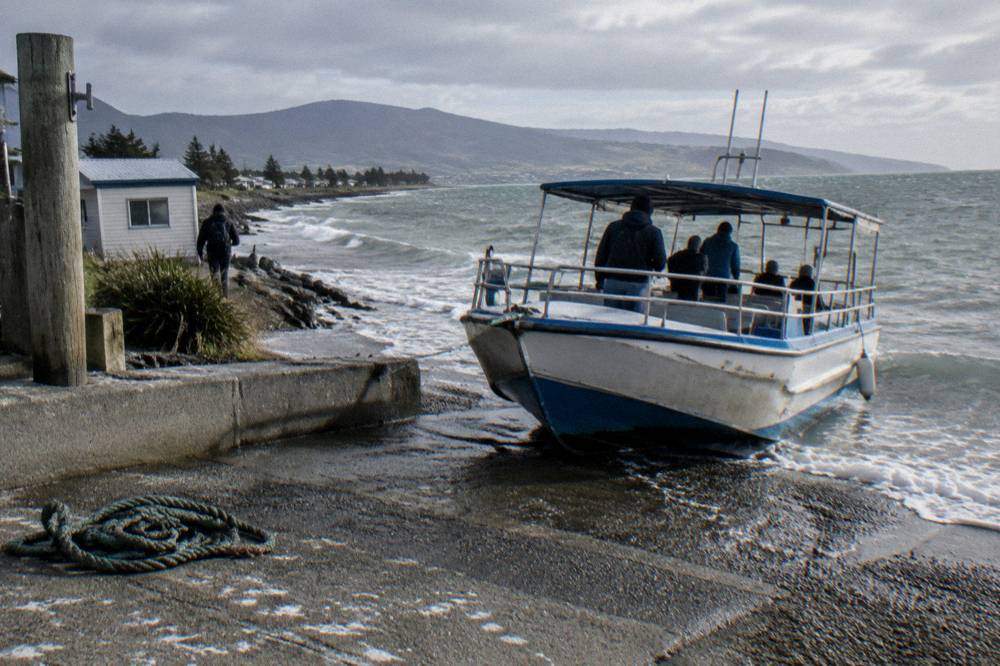
A day tour that cannot sail simply does not leave the beach; an overnight group already on the island when conditions deteriorate may have to extend their stay, and the operator states this carries no extra charge. For a traveller with a tight flight the next day, that possibility is worth weighing honestly: the reward of a night on a predator-free island comes packaged with a small chance the island decides you will stay longer.
Sailing patterns follow the season. Departures fall in the morning, are confirmed at booking and by text the day before, and the operator runs daily sailings for most of the October to mid-May window, easing to Friday to Sunday in late May, June and September depending on demand. The weather and cancellations guide for Kapiti Island tours works through every product's policy, because they differ, and the all-weather Zealandia tours are the contrast case: those run in any conditions, with advice to dress for it.
Kapiti Island Overnight Or A Day Tour: Which Suits You?
Choose the overnight if the night walk, the empty-island hours and the full meal package justify two days and $401.73 per person; choose the five-hour day tour at $186.78 per person if you want the island's birds and a guided walk without the night; choose the Wellington-return day tour at $305 per person if you cannot face driving to Paraparaumu Beach. All three are one operator, Kapiti Island Nature Tours.
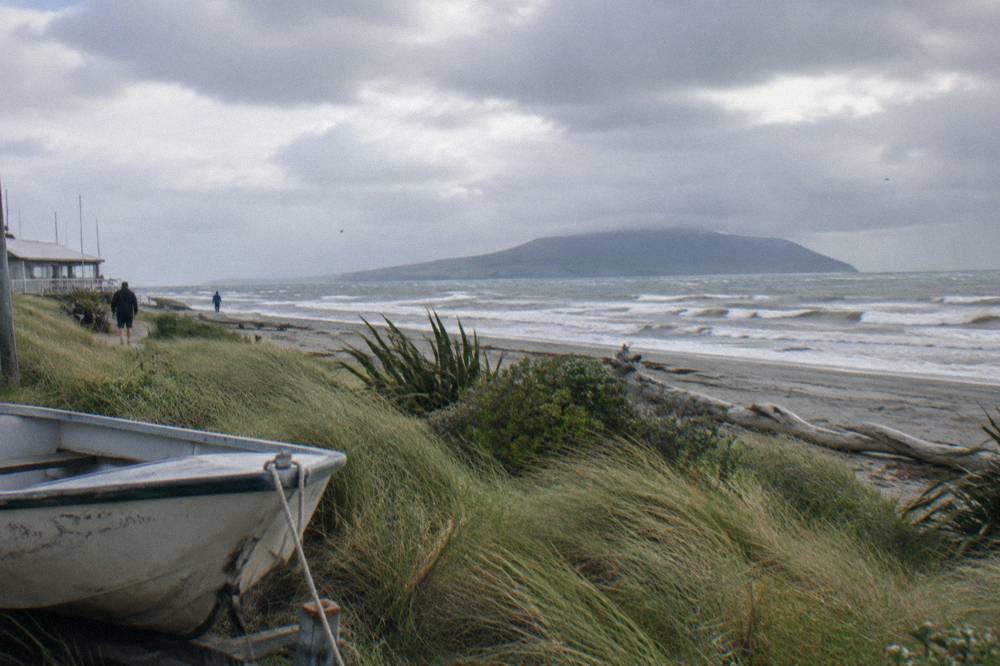
That last point is worth pausing on, because comparison shopping between "Kapiti tours" misreads the market. There is one operator for island access, the only DOC-listed concessionaire, running the day tour, the overnight and the Wellington-return variant, and the differences between them are format, not quality. The day tour gives you five hours: ferry, introductory talk, a guided nature and history walk of about an hour, and lunch at the lodge, starting at Paraparaumu Beach at 08:45. The overnight gives you everything the daylight offers plus the hours after dark, plus a bed and three more meals.
| Option | Time | From (per person) | Who it suits |
|---|---|---|---|
| Overnight stay at Waiorua | 2 days, 1 night | $401.73 for 2 days | Travellers who want the night walk and quiet island hours |
| Five-hour day tour | 5 hours | $186.78 | Day visitors with their own transport to Paraparaumu Beach |
| Wellington-return day tour | 6 hours | $305.00 | Visitors staying in Wellington without a car |
| Nga Manu kiwi night encounter | 1 hour 30 minutes | $56.90 | A chance to see a resident kiwi pair at dusk, no island crossing |
| Zealandia night tour | 2 hours 30 minutes | $68.97 | A guided night walk in the city, minimum age 12 |
If the kiwi is the goal and the overnight is beyond your budget or calendar, the mainland alternatives deserve a fair look. The Nga Manu encounter in Waikanae is an escorted dusk viewing of a resident pair in their habitat, from $56.90 per person. Zealandia's night tour in Karori is a guided 2 hour 30 minute walk through the predator-fenced sanctuary, from $68.97 per person, minimum age 12, maximum 12 guests, operating in all weather. Zealandia records more than 40 native bird species in the sanctuary. Neither is a substitute for a night on Kapiti; both are honest, cheaper ways to spend a wildlife evening, and the comparison of a Kapiti Island tour or a Zealandia tour works through the trade-offs.
For travellers combining a Wellington stay with the coast, the Seal Coast Safari rounds out the picture differently: a 3 hour 30 minute trip from pickup and drop-off direct from cruise ships through Otari-Wilton's Bush and private farmland to Cape Terawhiti by 4WD, from $112.07 per person, rated 4.9 across 372 reviews, maximum 10 guests, and it too needs good weather.
How Do You Book And What Should You Bring?
Book with the dates flexible and the gear simple: free cancellation runs to 24 hours before the start for a full refund, the season runs 1 September to 30 June, and check-in is at the operator's Marine Parade office 20 to 40 minutes before sailing. Bring sealed food containers if you carry snacks, clean footwear, your own drinking water, quiet night-walk clothing, a torch and warm layers.
The booking itself holds few surprises, but the caps do. The overnight takes a maximum of 18 people through one lodge, and the lodge closes between Christmas and New Year, so summer peak is the window where dates disappear first. Morning departures are confirmed at booking and by text the day before, and the 7 to 7:15 am phone check on the day is the final go or no-go. Anyone flying out the following morning should build slack into the itinerary for the severe-weather scenario, where the operator says guests may have to stay extra time at no extra charge.
The island's constraints drive the packing list: there is no shop, no power at the tents, untreated water, and birds that specialise in raiding bags. Condensed to what the island actually demands:
| Item | Why |
|---|---|
| Sealed food containers | Open bags of food are not allowed; biosecurity screens at check-in |
| Clean footwear and gear | Operator asks for cleaning within 48 hours of sailing |
| Own drinking water | All island water is untreated |
| Quiet night-walk clothing | Nylon and jandals can disturb kiwi |
| Torch with spare batteries | Solar lights only at cabins and tents, no power supply |
| Warm layers and rain jacket | Evenings on an exposed island coast |
| Closable daypack | Weka and kaka get into bags; belongings stay out of reach |
| Rubbish bag | Everything you bring leaves with you, including fruit pips |
For families weighing the decision, the guide to Kapiti Island tours with children works through the carrier-versus-pram question and what an island night asks of younger walkers. And if the accommodation choice at Waiorua is the detail still undecided, the Kapiti Island overnight accommodation guide compares the cabin, tent and ensuite options in detail.
Common Questions About A Kapiti Island Overnight Stay
Where Do You Actually Sleep On A Kapiti Island Overnight Stay?
On the operator's private land at Waiorua Bay, never inside the DOC nature reserve, which does not permit overnight stays. Accommodation is a cabin, tent or ensuite room, each with its own rate, with solar lights and no power supply at the cabins and tents.
How Much Does A Kapiti Island Overnight Stay Cost?
From $401.73 per person for 2 days, covering the return ferry, DOC permit, all meals (dinner, breakfast and two lunches) and the guided night walk. The accommodation tier changes the rate, so the from-price is the entry tier.
Can You See Kiwi On A Kapiti Island Overnight Stay?
You may. The guided night walk looks for ruru, korora and kiwi pukupuku, and the operator states plainly that it cannot guarantee a kiwi sighting. No tour on this site promises any bird.
How Fit Do You Need To Be For A Kapiti Island Overnight Stay?
The booking page asks for moderate fitness. Tracks are unpaved, the landing is a stony beach by ramp, the island is not wheelchair accessible, and prams are hard to manage, with a carrier advised for small children.
What Happens If The Weather Turns On A Kapiti Island Overnight Stay?
The trip needs good weather, and a weather cancellation brings another date or a full refund. The skipper cancels for unsafe sea or weather, and in severe weather guests may have to stay extra time at no extra charge. Guests phone between 7 and 7:15 am on the day to confirm the trip is running.
Kapiti Island Overnight Or A Day Tour: Which Suits You?
The overnight suits travellers who want the night walk and quiet island hours and can give it two days; the five-hour day tour at $186.78 per person suits day visitors with their own transport, and the Wellington-return day tour at $305 per person adds a shuttle from the city. All three come from one operator, Kapiti Island Nature Tours.