Can You See Kiwi On Kapiti Island?
Yes, wild little spotted kiwi live on Kapiti Island, and the overnight tour walks at night looking for them, but no operator can promise a sighting. Here is what is realistic.
Yes, wild little spotted kiwi live on Kapiti Island, and they are extinct on the mainland, which makes the island one of the few places in New Zealand where a wild sighting is genuinely possible. But no tour can promise one. Kapiti Island Nature Tours, the only DOC-listed operator for the island's guided trips, says plainly that it cannot guarantee a kiwi sighting, and every honest plan should start there.
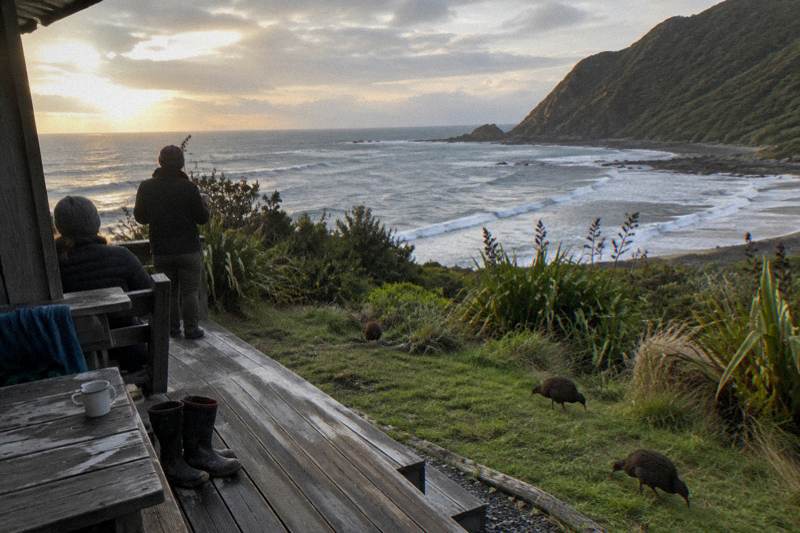
Kapiti Island is a predator-free nature reserve, 5 km off the coast, about 10 km long, and reached only with approved operators because private boats may not land. DOC, the Department of Conservation, describes it as one of the largest accessible island bird sanctuaries in New Zealand. Rats were removed by aerial drop in September and October 1996, leaving the island free of introduced mammals, and that single fact is what makes a night walk here different from almost anywhere else on the mainland. Kiwi are nocturnal, so the opportunity to see one comes down to being on or near the island after dark, moving quietly, and accepting that wildlife does not take bookings. For a fuller picture of the island beyond the night walks, the guide to what makes Kapiti Island famous covers its whaling past, Maori heritage, and the marine reserve that surrounds it.
The practical split is simple. Day trips, the 5-Hour Day Tour from $186.78 per person and the 6-Hour Wellington-return version from $305 per person, run in daylight and do not include a night walk. The overnight trip, 2 days and 1 night from $401.73 per person, is the one that includes a guided night walk looking for ruru, korora and kiwi pukupuku, the little spotted kiwi. There is also a completely different option on the coast at Waikanae: the Nga Manu Kiwi Night Encounter, from $56.90 per person, where guests are escorted at dusk to view a resident pair of North Island brown kiwi in a purpose-built habitat. A wild sighting is possible but never guaranteed, or there is a resident pair in a habitat, and the rest of this article works through which suits you.
Where Do The Kiwi On Kapiti Island Live?
Kapiti Island's kiwi are little spotted kiwi, extinct on the mainland, surviving only on predator-free offshore islands, according to DOC. They live wild across the island's forest and scrub, not in an enclosure, so you might cross paths with one anywhere the guided night walk goes.
- Zealandia Tours$40.23
- Kapiti Coast Nature Tours$56.90
- Wellington Seal Coast Tours$112.07
- Kapiti Island Tours$186.78
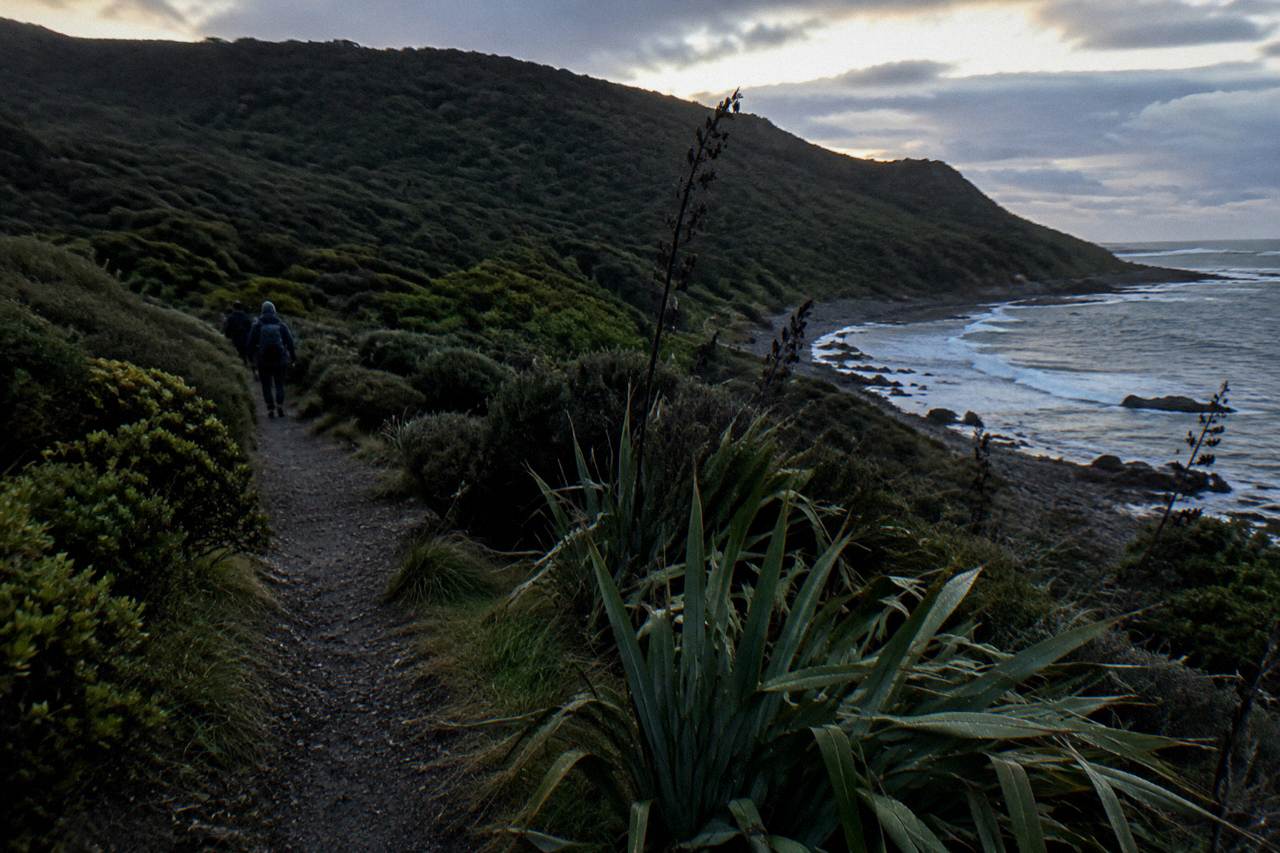
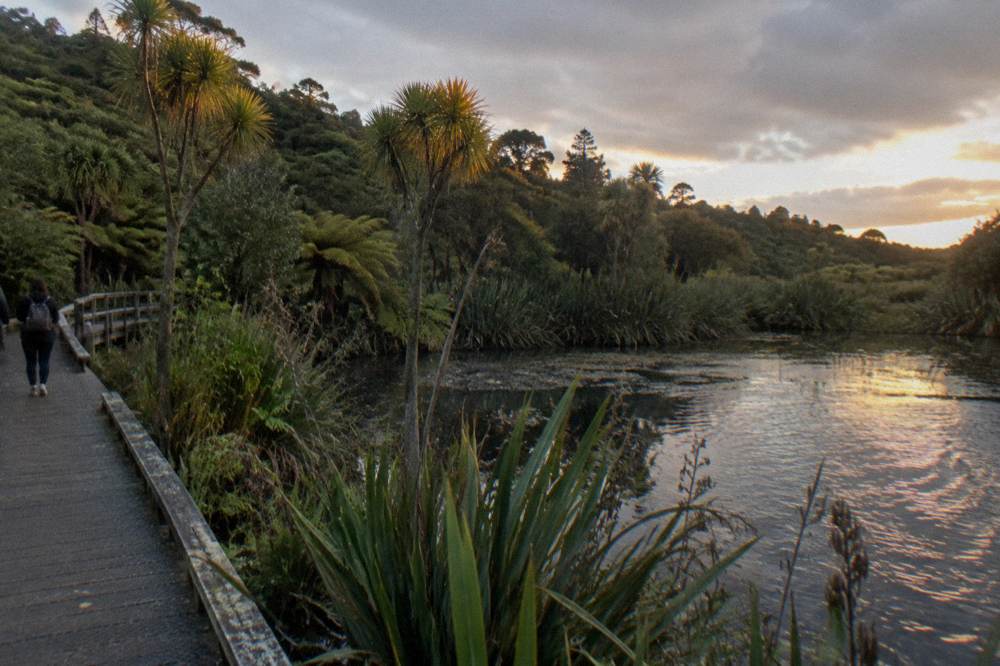
The island runs about 10 km north to south, rising to Tuteremoana at 521 m, and covers 1,965 ha of regenerating forest and shrubland. Because DOC records the rat eradication of September and October 1996, the kiwi population is not confined to one protected corner; the birds range wherever there is food and cover. That is the great difference from a zoo or a nocturnal house. You are walking through their actual home, on unpaved tracks, with a guide who knows the country, and the birds appear if they appear.
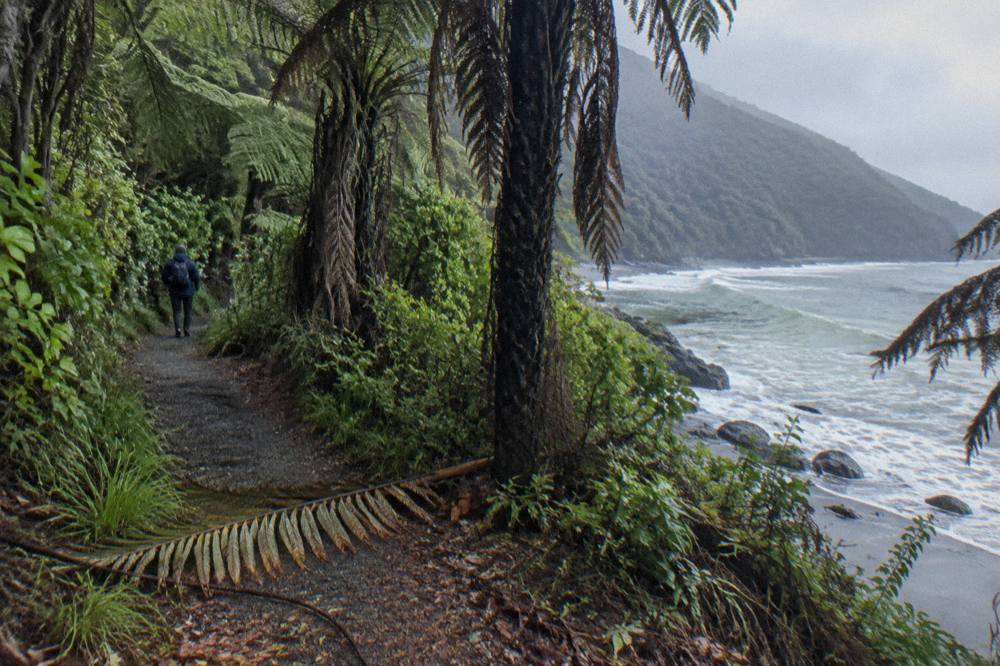
Two public areas of the reserve, Rangatira halfway along the eastern shore and the North End, carry DOC tracks: the Rangatira Loop of 1 hour 30 minutes, the Wilkinson Track at 2 hours to the summit, and at the north end the Okupe Valley Loop, also 1 hour 30 minutes. It is not currently possible to walk from Rangatira to Waiorua at the north end, where the operator's own land sits. If your trip lands at Rangatira, your walking world for the day is the network around it. The overnight stay is on the operator's private land at Waiorua Bay, because overnight stays are not permitted inside the nature reserve itself.
Kapiti's kiwi story is a conservation win worth knowing before you go. Reserved as a bird sanctuary in 1897 and stewarded by DOC since 1987, the island has since received hihi, kokako, takahe, brown teal and saddleback through transfers since the 1980s. The little spotted kiwi here are wild birds behaving as wild birds do, which is the entire point, and also the entire reason nobody can promise you one.
Which Kapiti Island Tour Includes A Night Walk?
Only the overnight trip, the 2 Days 1 Night experience from $401.73 per person, includes a guided night walk that looks for ruru, korora and kiwi pukupuku. Both day tours run in daylight and include guided daytime walks instead. The overnight tour is rated 4.9 across 484 reviews, with a group maximum of 18, and free cancellation up to 24 hours before the start.
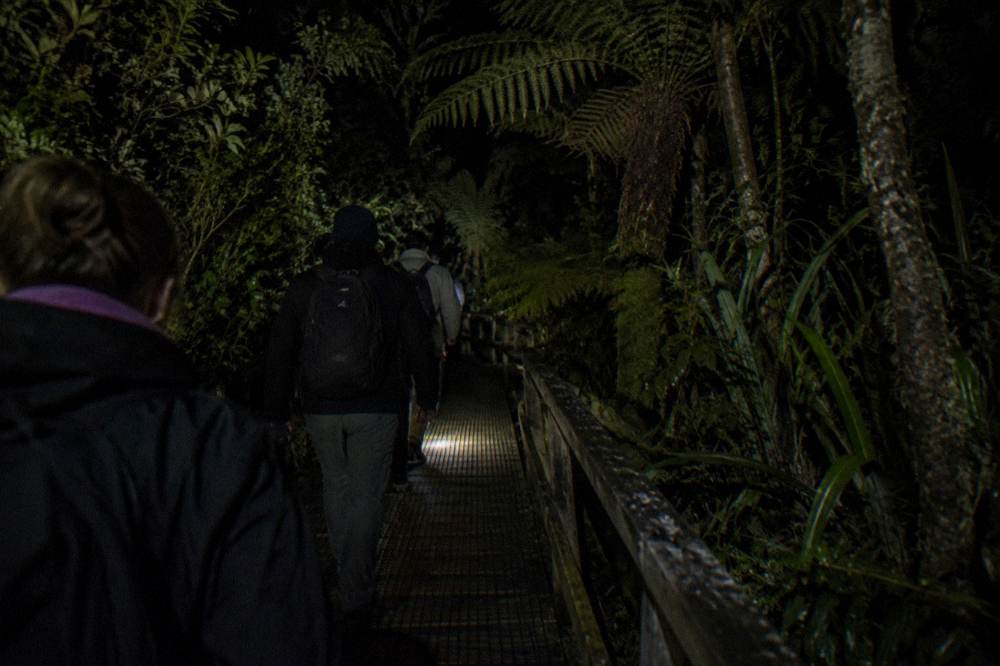
The overnight itinerary folds the night walk into a full two-day stay: return ferry, DOC permit, an introductory talk, the guided night walk, and meals including dinner, breakfast and two lunches. Accommodation is on the operator's private land at Waiorua Bay, in a cabin, tent or ensuite room, each with its own rate, never inside the DOC reserve. Cabins and tents run on solar lights with no power supply, and the operator asks guests to bring quiet clothing for kiwi spotting, because rustling nylon and hard-soled jandals can disturb the birds before you ever see them. That last detail tells you a lot about how these walks work: slow, hushed, and dependent on the kiwi being curious enough, or careless enough, to come near.
All three island trips on this site, the day tour, the overnight and the Wellington-return day tour, come from the one DOC-listed operator, Kapiti Island Nature Tours. They are variations on a single operation, not rival companies, and the choice between them is mostly a choice between daylight and after-dark. The 5-Hour Day Tour from $186.78 per person, rated 4.8 across 576 reviews, includes a guided nature and history walk of about an hour and lunch at the lodge, and it is the most reviewed trip on the island. The Wellington-return version from $305 per person adds a shuttle from your Wellington accommodation and a cooked lunch. Neither involves a night walk, and the after-dark question is answered by whether you sleep over.
Planning an overnight around a possible kiwi sighting sits better with a free-cancellation cushion, and this trip can be cancelled with a full refund up to 24 hours before it starts. If the question is whether the extra night is worth it, the longer treatment of the Kapiti Island overnight stay goes into the accommodation tiers and the timing in detail.
How Likely Is A Kiwi Sighting, Honestly?
The operator says it cannot guarantee a kiwi sighting, and no figure, percentage or promise exists beyond that. What is fair to say is that a predator-free island with a wild population, a guided night walk, and quiet clothing gives you a real chance, while DOC notes orca, seals and other marine life on the crossing only if you are really lucky. Bird sightings on Kapiti are possible everywhere and guaranteed nowhere.
Honesty matters here because some travel copy implies near-certainty. The reality of a night walk on the operator's land at Waiorua is that kiwi are shy, ruru (morepork) are heard more often than seen, and korora, little blue penguins, are among the birds DOC names as often seen around the coast rather than at any appointed hour. The guided walk looks for all three species, which spreads the experience: even on a night when a kiwi stays hidden, the forest is full of sound, and the walk is the reason you are there rather than a delivery mechanism for one bird.
Daylight has its own reliable pleasures. DOC names kaka, kereru, tui, bellbird, weka, North Island robin, whitehead, saddleback, hihi and takahe among the island's birds, and says saddlebacks, stitchbirds and takahe are often seen. Weka and kaka are famously inquisitive and expert at getting into bags, which is why DOC asks visitors to keep belongings out of reach. A takahe sighting is never promised either, but a day walk on Kapiti Island gives a real chance of native forest birds.
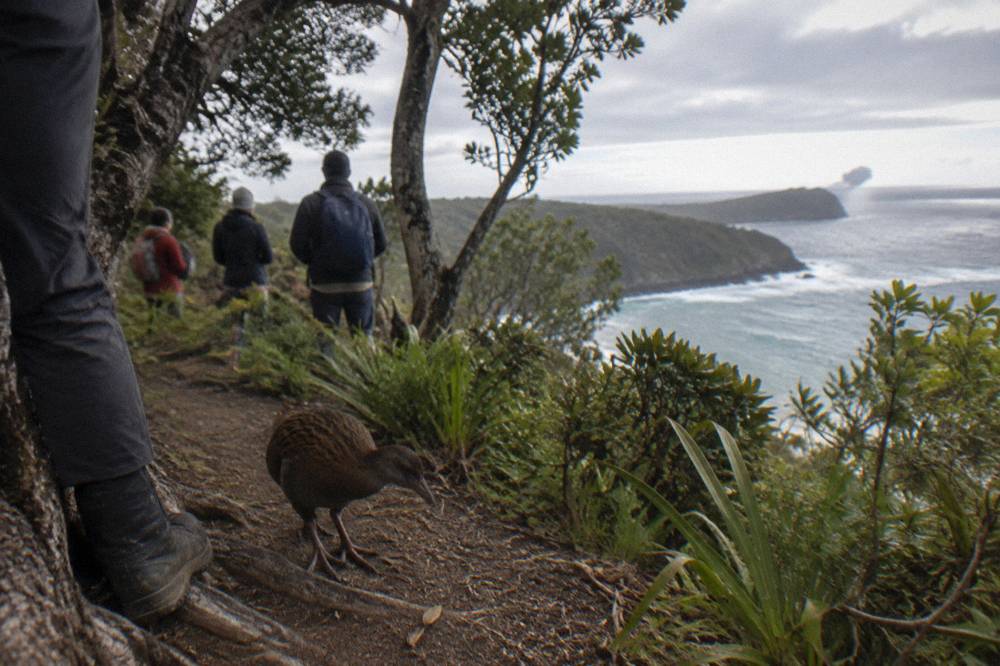
Wildlife rules on the island support all of this: keep 10 m from animals, wildlife has right of way, keep to formed tracks, and do not feed anything. A visitor who follows those rules, moves quietly and treats a sighting as a bonus rather than a purchase price tends to leave happy either way.
Can You See Kiwi On A Kapiti Island Day Tour?
Not usually, because both day tours run in daylight and kiwi are nocturnal. The 5-Hour Day Tour includes a guided nature and history walk of about an hour, and the 6-hour Wellington-return version includes a guided day, but neither includes a night walk. On the day tours you look for forest birds, while the night walk belongs to the overnight trip.
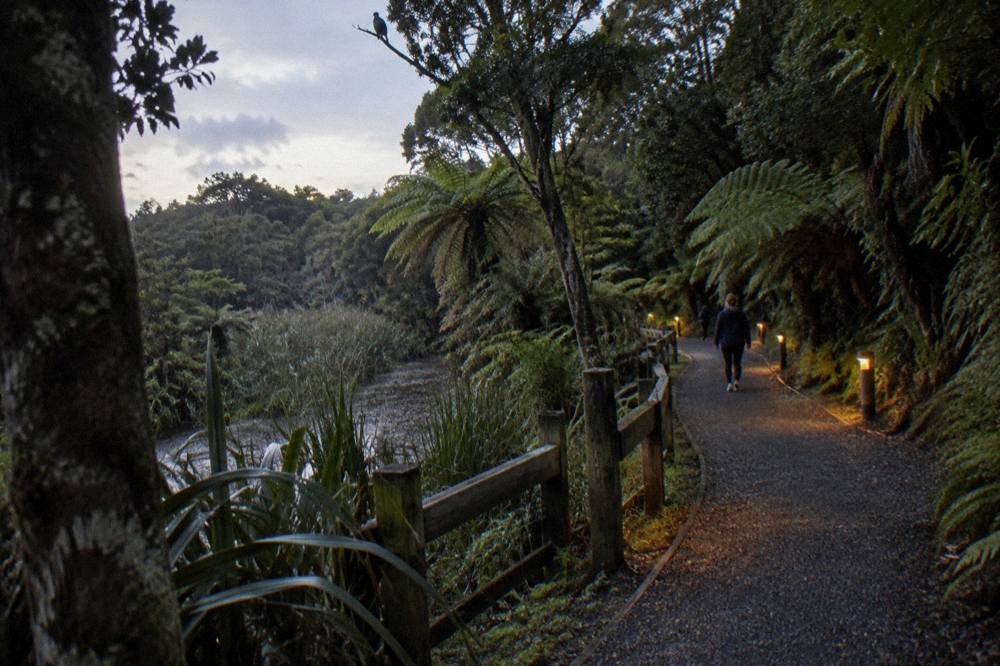
That does not make a day tour a poor choice; it makes it a different one. The 5-Hour Day Tour, from $186.78 per person, starts with check-in at the operator's office on Marine Parade at Paraparaumu Beach, then the ferry crossing, an introductory talk, the guided walk and lunch at the lodge, all inside 5 hours. The Wellington-return version, from $305 per person, keeps the same guided day and adds the shuttle from Wellington accommodation, with a cooked lunch included at the lodge. If a night walk is the reason you are travelling, the overnight trip is the product that matches it, and stretching a day tour to try to cover the same ground is the wrong tool.
For travellers weighing a shorter visit, the Kapiti Island day trip guide lays out what fits into a single daylight visit, and the Kapiti Island walks guide covers the DOC tracks and their timings. Both are worth a read before you decide that the overnight is or is not necessary for what you want from the island.
Is The Nga Manu Kiwi Encounter The Same Thing?
No. The Nga Manu Kiwi Night Encounter at Waikanae is a dusk viewing of a resident pair of North Island brown kiwi in a purpose-built habitat, from $56.90 per person for 1 hour 30 minutes, with a maximum of 10 guests and no photography. Kapiti's kiwi are wild little spotted kiwi in forest. Captive and predictable, or wild and possible, is the real comparison.
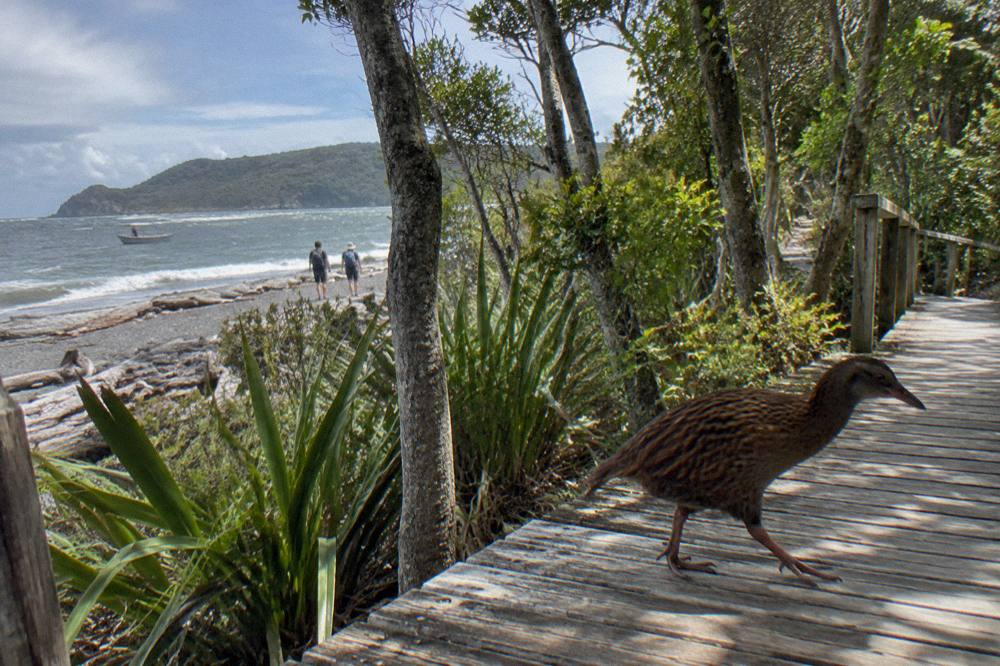
The encounter begins with an informational session, after which guests are escorted to the kiwi habitat at dusk, within a Thursday to Sunday window. It runs from the Nga Manu Nature Reserve in Waikanae, so you plan your own travel there; the site is a 14 ha reserve run by the Nga Manu Trust since 1974, open daily 10 am to 5 pm except Christmas Day, holding one of the largest remnants of coastal lowland swamp forest on the Kapiti Coast. The reserve also has aviaries with kea, kaka, kereru and kakariki, a nocturnal house with kiwi and tuatara, and a 400-year-old kahikatea, so the visit is bigger than the encounter alone.
The trade-off is worth stating plainly rather than dressing up. At Nga Manu the birds are resident, so the viewing happens on the schedule; at Kapiti the birds are wild, so nothing happens on a schedule, and the operator is candid about that. A family with young children, or a traveller with one free evening on the coast, may find the habitat setting the better fit, and the price difference is real: $56.90 per person against $401.73 per person for the two-day overnight. Neither is the dishonest option; they answer different questions, and conflating the wild kiwi of Kapiti with the resident pair at Nga Manu is the only real mistake available.
What Time Of Year And Day Matters For Kiwi Spotting?
Kapiti Island trips run in the operator's season, 1 September to 30 June, with sailings usually daily from October to mid-May and Friday to Sunday in the shoulder months. Kiwi activity is after dusk, which means the night walk's timing shifts with the seasons. Book the night, not a specific hour.
The seasonal rhythm matters more than people expect. In December a dusk walk starts late; in May it starts early, and the forest darkens quickly either way. The lodge closes between Christmas and New Year while the ferry runs day trips only, which quietly removes the overnight option in that window, so anyone planning a kiwi-focused trip across the holidays needs to plan around it. Demand governs the shoulder months: Friday to Sunday sailings in late May, June and September, depending on numbers, which is why booking ahead for the overnight matters most.
Weather is the other variable. The overnight stay and the 5-hour day tour both need good weather; if the skipper cancels for unsafe sea or weather, you can move to another date or take a full refund. The two island booking pages ask guests to phone between 7 and 7:15 am on the day to confirm the trip is going ahead. None of this is a downside; it is simply the texture of visiting an island reserve rather than a mainland attraction, and the page on Kapiti Island tour weather and cancellations covers the mechanics in full.
What Does A Kiwi Trip On Kapiti Island Cost?
The overnight trip is from $401.73 per person for 2 days, including the return ferry, DOC permit, the guided night walk and meals. The 5-Hour Day Tour is from $186.78 per person with lunch, the Wellington-return day tour from $305 per person, and the Nga Manu encounter from $56.90 per person. All prices are USD and per person, and the overnight sits off every day-tour price scale.
| Trip | Price per person | Duration | After-dark kiwi element | Reviews |
|---|---|---|---|---|
| 2 Days 1 Night, Meals Included | $401.73 for 2 days | 2 days, 1 night | Guided night walk looking for ruru, korora and kiwi pukupuku | 4.9 across 484 |
| 5-Hour Day Tour, Meal Included | $186.78 | 5 hours | None, daytime walk only | 4.8 across 576 |
| 6-Hour Day Tour, Wellington Pickup | $305.00 | 6 hours | None, daytime walk only | 7 reviews |
| Nga Manu Kiwi Night Encounter | $56.90 | 1 hour 30 minutes | Escorted dusk viewing of a resident kiwi pair in a habitat | 6 reviews |
Every trip above carries free cancellation up to 24 hours before the start, a full refund, stated per trip rather than as any blanket policy. Value is where these two differ most: the overnight price includes four meals and the only night walk on the island, while the Nga Manu price buys habitat viewing rather than wilderness. A traveller who wants both, a wild island night and a chance to see the resident pair in their habitat, could reasonably fit the two into one Kapiti Coast itinerary. Nga Manu sits at Waikanae, a short distance from the Paraparaumu Beach departure point for the island boats.
What Should You Bring For A Night Walk On Kapiti Island?
Quiet, warm layers, a red-light torch if you own one, sealed food containers, clean footwear, and nothing with a rustle. The operator asks for quiet clothing because nylon and jandals can disturb kiwi, and DOC requires bags to be inspected before boarding, with open food bags not allowed. Water on the island is untreated, so bring your own.
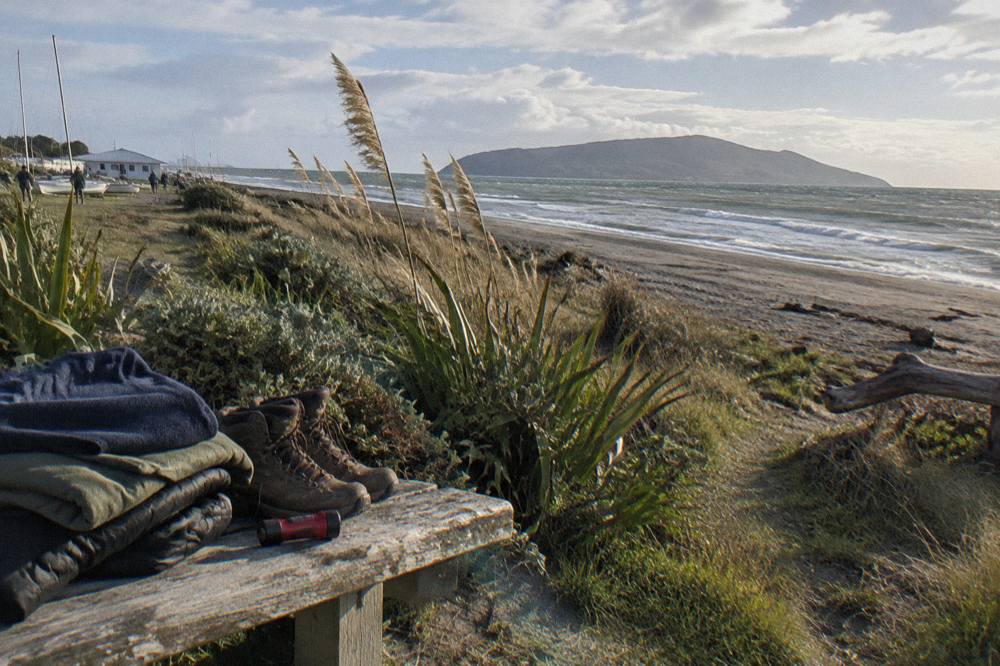
Biosecurity is not a formality here; it is the reason the kiwi still exist. DOC's rules ask visitors to check clothing, footwear and bags for pests, soil, seeds and plant material before boarding, and the operator adds that footwear and ground-contact gear should be cleaned within 48 hours of sailing, with a biosecurity team screening at check-in. Food must stay in sealed containers. Once on the island: 10 m from wildlife, pack out everything including fruit pips, no drones without a permit, no fires or stoves, and belongings kept out of reach of weka and kaka, which will investigate anything left on the ground with genuine professional skill.
| Item | Why it matters | Source of the rule |
|---|---|---|
| Quiet clothing, no nylon | Rustling fabric can disturb kiwi before you see them | Operator |
| Clean footwear and gear | Biosecurity screening happens at check-in | Operator and DOC |
| Sealed food containers | Open food bags are not allowed on the ferry | DOC |
| Your own drinking water | All water on the island is untreated | DOC |
| Layers for after dusk | Night walks run late and the coast cools quickly | General advice |
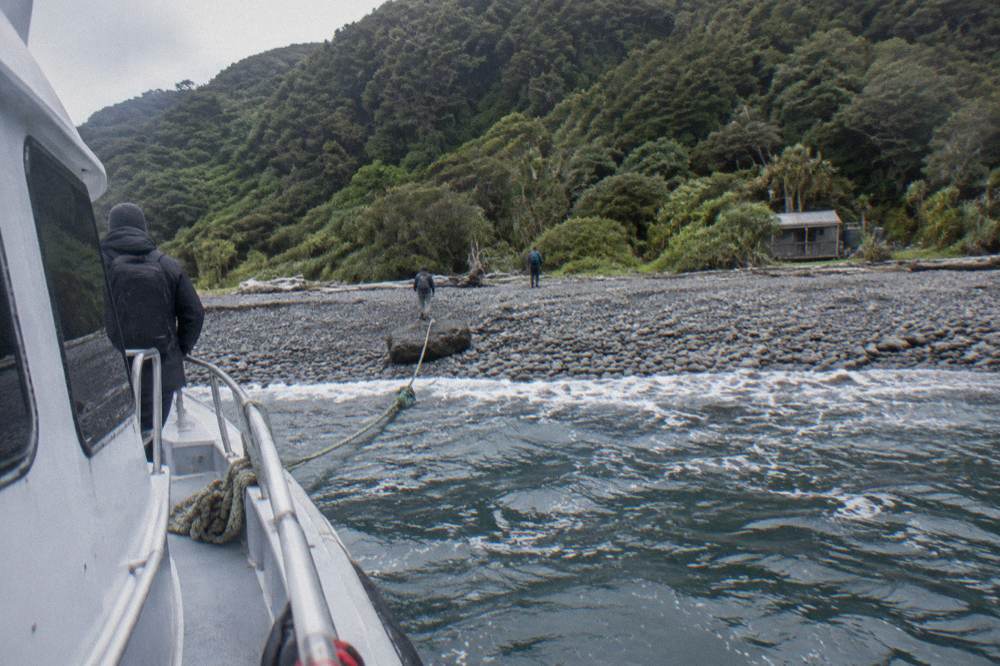
Fitness and access deserve one honest line each: tracks are unpaved, the landing is a stony beach by ramp, the island is not wheelchair accessible, and prams are hard to manage, with a carrier advised. Reasonable fitness is the operator's stated bar. There is no shop on the island and nowhere to buy food, so the meals on the overnight trip matter more than they sound.
Which Should You Book For The Best Kiwi Chance?
If the goal is a wild kiwi sighting, book the overnight trip, from $401.73 per person for 2 days, because the guided night walk is the only after-dark access on the island. If the aim is a kiwi after dark, the Nga Manu encounter at $56.90 per person centres on escorted dusk viewing of a resident pair in their habitat. The best plan for a determined traveller is often the overnight first and the habitat visit.
Between the two, the overnight is the experience: two days on a predator-free island, takahe and kaka by day, a hushed forest walk after dusk, meals and the ferry handled. The Nga Manu encounter is an escorted dusk session, held Thursday to Sunday, capped at 10 guests, and centred on a resident pair, with no photography and all of it on the Kapiti Coast. Each answers the original question, can you see kiwi on Kapiti Island, differently: possibly, if you stay the night..
Whatever you choose, book the dates early in your planning rather than at the end. The overnight runs to a group maximum of 18, the encounter to 10. Kapiti Island Tours keeps all island, coast and Zealandia tours side by side, each with its price and review count, so the comparison stays honest from the first search to the booking.
Common Questions About Seeing Kiwi On Kapiti Island
Can You See Kiwi On Kapiti Island?
Yes, wild little spotted kiwi live on Kapiti Island, and they are extinct on the mainland. The overnight trip includes a guided night walk looking for them, but the operator says it cannot guarantee a kiwi sighting, so treat one as possible rather than promised.
Can You See Kiwi On A Kapiti Island Day Tour?
Not usually. Both day tours run in daylight, when kiwi are inactive, and include guided daytime walks focused on forest birds like kaka, takahe and saddleback. The night walk belongs to the 2-day overnight trip.
Does The Kapiti Island Overnight Tour Guarantee A Kiwi Sighting?
No. The operator states that it cannot guarantee a kiwi sighting. The night walk looks for ruru, korora and kiwi pukupuku, and sightings depend on the birds, the weather and how quietly the group moves.
Where Do You Stay On The Kapiti Island Overnight Tour?
On the operator's private land at Waiorua Bay, in a cabin, tent or ensuite, each with its own rate. Overnight stays are not permitted inside the DOC nature reserve itself.
Is The Nga Manu Kiwi Night Encounter The Same As Kapiti Island Kiwi Spotting?
No. Nga Manu is a dusk viewing of a resident pair of North Island brown kiwi in a purpose-built habitat at Waikanae, from $56.90 per person. Kapiti's kiwi are wild little spotted kiwi in forest, a different experience at a different price.
When Is The Best Time Of Year For A Kapiti Island Kiwi Trip?
The operator's season runs 1 September to 30 June, with sailings usually daily from October to mid-May. Sailings reduce to Friday to Sunday in late May, June and September, and the lodge closes between Christmas and New Year.