What Is Kapiti Island Known For?
Kapiti Island is known as a predator-free DOC bird sanctuary, the home of little spotted kiwi extinct on the mainland, a whaling and Maori history site, and a marine reserve. Here is what it is famous for and how to visit.
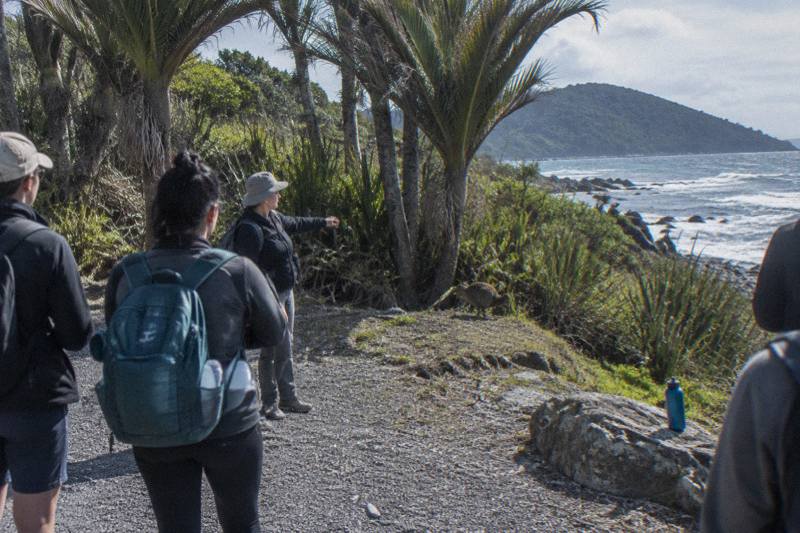
Kapiti Island is known as a predator-free bird sanctuary in the Rauoterangi Channel, reserved for conservation since 1897 and now a DOC nature reserve of 1,965 ha with a highest point, Tuteremoana, of 521 m. It is famous for wild little spotted kiwi, extinct on the mainland, for species transferred there since the 1980s, and for its whaling and Maori history.
Seen from Paraparaumu Beach, roughly an hour north of Wellington by road, the island sits 5 km off the west coast of the lower North Island: about 10 km long, about 2 km wide. DOC describes it as one of the largest accessible island bird sanctuaries in New Zealand. Access is the twist that shapes everything about a visit. Private boats, kayaks, jetskis, paddleboards and swimmers may not land, so the only way onto the island is with an approved operator, and DOC lists one concessionaire, Kapiti Island Nature Tours, for transport, guided walks, overnight kiwi spotting tours and lodge accommodation. That single-operator arrangement is why every Kapiti Island tour on this site, whether the 5-Hour Day Tour, Meal Included, the overnight trip or the Wellington-return day tour, starts from the same ferry at Paraparaumu Beach.
For a reader deciding whether to book, the short version is this: the island is known for birds you will struggle to see anywhere else, in a setting that also carries whaling trypots, a historic whare and the story of one of the country's most formidable chiefs. Three of this site's tours put you on it, and a good starting comparison is below.
The day tour is the classic entry point: from $186.78 per person for 5 hours, ferry and lunch included, rated 4.8 across 576 reviews, the most reviewed Kapiti Island trip on this site. The overnight, from $401.73 per person for 2 days, adds a guided night walk looking for ruru, korora and kiwi pukupuku, with the stay on the operator's private land at Waiorua Bay rather than inside the reserve itself. The third trip, the Wellington-return day tour at $305 per person, is the same operator's variant with a shuttle from Wellington accommodation folded in.
Why Is Kapiti Island A Predator-Free Sanctuary?
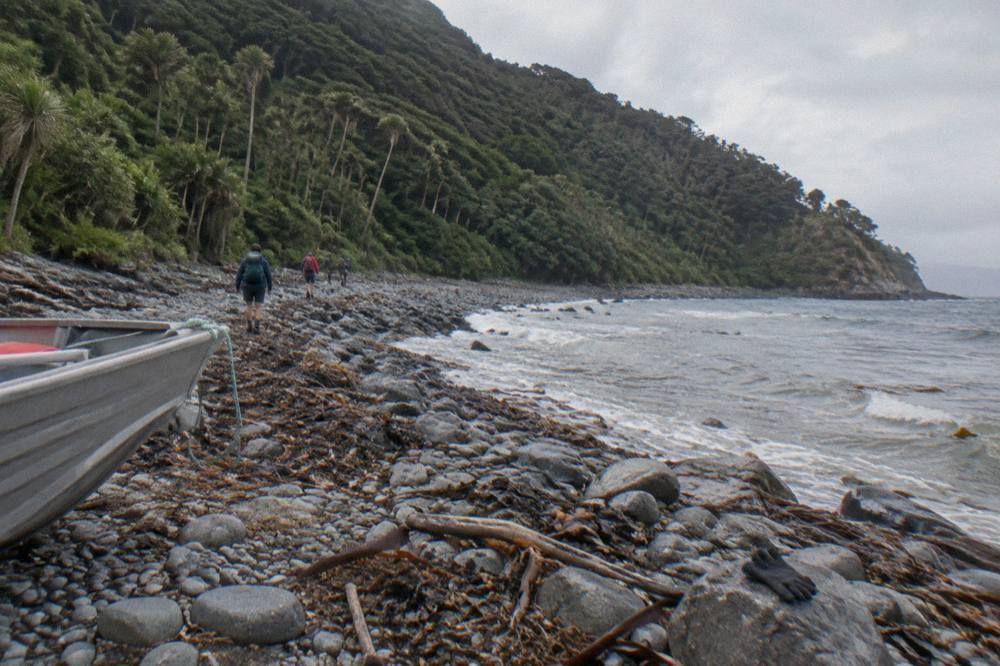
Kapiti Island is predator-free because introduced mammals were progressively removed, most decisively when kiore and Norway rats were killed by aerial drop in September and October 1996, leaving the island free of introduced mammals. DOC records goats eradicated in 1928 and possums destroyed between 1980 and 1986 on the same path. That clean status is the single reason rare birds survive there in the wild.
The island was reserved as a bird sanctuary in 1897, and DOC took stewardship in 1987. Once the last rats were gone, the way was open to bring back species that had vanished from the mainland or were heading that way. Hihi (stitchbird), kokako, takahe, brown teal and saddleback have all been transferred since the 1980s, and saddlebacks, stitchbirds and takahe are often seen, in DOC's wording. The wild kiwi on Kapiti are little spotted kiwi, a species extinct on the mainland.
- Zealandia Tours$40.23
- Kapiti Coast Nature Tours$56.90
- Wellington Seal Coast Tours$112.07
- Kapiti Island Tours$186.78
Staying predator-free is an active job, not a settled fact. Bags are inspected and unpacked before boarding: DOC asks visitors to check clothing, footwear and bags for pests, soil, seeds and plant material, keep food in sealed containers, and leave open bags of food behind. The operator adds that footwear and ground-contact gear should be cleaned within 48 hours of sailing, and a biosecurity team screens everyone at check-in. On the island itself the rules continue: keep 10 m from animals, wildlife has right of way, keep to formed tracks, pack out all rubbish including fruit pips and cores, no fires or portable stoves, no smoking or vaping, take nothing off the island, never feed wildlife, and leave drones and pets at home.
Weka and kaka deserve a special warning because they are the island's pickpockets. Both are inquisitive and expert at getting into bags, so belongings stay out of reach. It is one of the small, memorable realities of the place: a sanctuary so unbothered by people that its birds investigate you.
If a guided day among these birds sounds like the plan, the 5-Hour Day Tour, Meal Included is the natural fit, and you can read a fuller comparison of the options in Kapiti Island tours compared.
What Birds And Wildlife Is Kapiti Island Famous For?
Kapiti Island is famous for little spotted kiwi living wild, a species extinct on the mainland, alongside takahe, kokako, hihi and saddleback transferred since the 1980s. DOC also names kereru, kaka, weka, tui, bellbird, North Island robin, whitehead, fantail and silvereye as present, with gannets, fluttering shearwaters and little blue penguins often seen from the boat.
The bird list is the island's headline act. Saddlebacks, stitchbirds and takahe are, in DOC's own words, often seen, which is remarkable given how close to extinction each has come. At Okupe Lagoon in the north, scaup, grey and brown teal, black swans and royal spoonbills gather. On the coast, gulls, white-fronted terns, variable oystercatchers, reef herons and shags work the shoreline. The long-tailed cuckoo is a summer-only visitor.
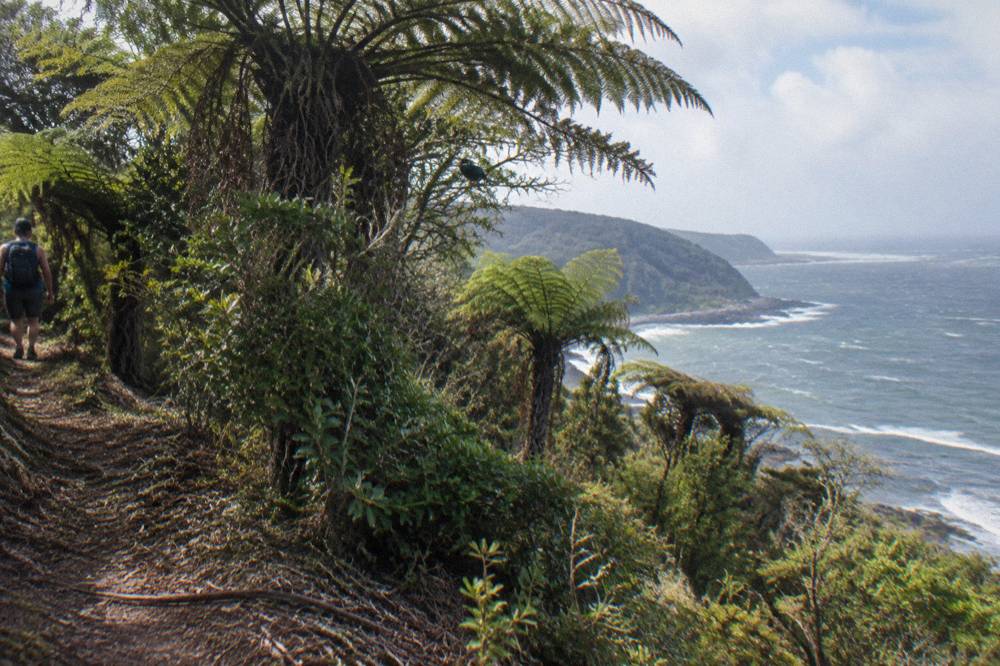
Two honesty notes matter here. First, no tour promises a sighting of a kiwi or any other bird. The operator itself says it cannot guarantee a kiwi sighting, and DOC frames orca, seals and korora on the crossing as "if you're really lucky". Second, the North Island brown kiwi at the Nga Manu Night Encounter in Waikanae are a resident pair in a purpose-built habitat, a different animal in a different setting from the wild little spotted kiwi on Kapiti, and the two should never be conflated. Bird life is the reason most people book, but the island offers more, which the following sections unpack.
| What | Where the fact comes from |
|---|---|
| Little spotted kiwi live wild on the island, extinct on the mainland | DOC |
| Hihi, kokako, takahe, brown teal and saddleback transferred since the 1980s | DOC |
| Saddlebacks, stitchbirds and takahe often seen | DOC |
| Gannets, fluttering shearwaters, little blue penguins often on the boat trip | DOC |
| Orca, seals and korora only "if you're really lucky" | DOC |
| No kiwi or bird sighting is ever guaranteed | Operator |
What History Is Kapiti Island Known For?
Kapiti Island carries a Maori and whaling past: Te Rauparaha of Ngati Toa was the dominant power there by 1823, trypots from the whaling days still survive, farming started about 1850, and The Whare, built in the early 1860s, remains the oldest building on the island. Richard Henry, often described as the world's first state sponsored conservation officer, was caretaker from 1908.
The island sits at a crossroads of New Zealand history. The Rauoterangi Channel that separates it from the mainland is named after Kahe Te Rauoterangi's swim, a story DOC retells among the island's founding narratives. Whaling followed, then farming from about 1850, and the trypots from the whaling days still sit beside the Rangatira Loop Track, along with a wetland boardwalk.
The conservation era begins with the 1897 sanctuary reservation and runs through Richard Henry's caretakership from 1908 to DOC's stewardship from 1987. Local tangata whenua kept 13 ha around Waiorua Bay, where the operator's lodge stands today, which is why overnight guests stay on private land at Waiorua rather than inside the nature reserve. Day tours sold here land at Waiorua and stay on the North End tracks; walkers keen on the island's history would need a separate Rangatira trip for the Rangatira Loop Track, a DOC track covering 1.8 km in about 1 hour 30 minutes past the trypots, the historic whare and the wetland, figures from DOC's track brochure.
What Tracks And Places Can You Visit On The Island?
The island has two public areas, Rangatira and North End, with DOC-brochured tracks including the Rangatira Loop Track at 1.8 km taking 1 hour 30 minutes, the Wilkinson Track at 3.8 km one way taking 2 hours to the 521 m summit at Tuteremoana, and the steeper Trig Track at 2 km one way. The North End offers the gentle Okupe Valley Loop, 4.8 km in 1 hour 30 minutes.
The Wilkinson Track climbs to the island's highest point, Tuteremoana, with a picnic area and a hihi feeding station about a third of the way up. The Trig Track runs 2 km one way, is steeper, and is uphill direction only. At the North End, the Okupe Valley Loop rises gently to a 198 m lookout above the western cliffs with views over Okupe Lagoon, while the Boulder Bank Loop, 2 km in 45 minutes, closes from October to March for nesting seabirds. It is not currently possible to walk from Rangatira to Waiorua, so the two public areas are separate worlds on the same island.
| Track | Area | Distance | DOC time | Notes |
|---|---|---|---|---|
| Rangatira Loop | Rangatira | 1.8 km loop | 1 h 30 min | Whaling trypots, historic whare, wetland boardwalk |
| Wilkinson Track | Rangatira | 3.8 km one way | 2 h | To the summit at Tuteremoana, picnic area, hihi feeding station |
| Trig Track | Rangatira | 2 km one way | 2 h | Steeper, uphill direction only |
| Okupe Valley Loop | North End | 4.8 km loop | 1 h 30 min | Gentle gradient, 198 m lookout over Okupe Lagoon |
| Boulder Bank Loop | North End | 2 km loop | 45 min | Closed October to March for nesting seabirds |
Tracks are unpaved, reasonable fitness is needed, the landing is a stony beach by ramp, and the island is not wheelchair accessible; prams are hard to manage and a carrier is advised, in the operator's guidance. Facilities are deliberately thin. Rangatira has toilets, a public shelter and fresh drinking water at the visitor shelter; Waiorua has toilets and a shelter but no fresh drinking water at the shelter. There is no shop and nowhere to buy food, and DOC says all water on the island is untreated, so bring your own. The day tour's included lunch answers the food question for its own guests; everyone else packs accordingly, which the what to bring on a Kapiti Island day trip guide covers in detail.
How Do You Actually Get To Kapiti Island?
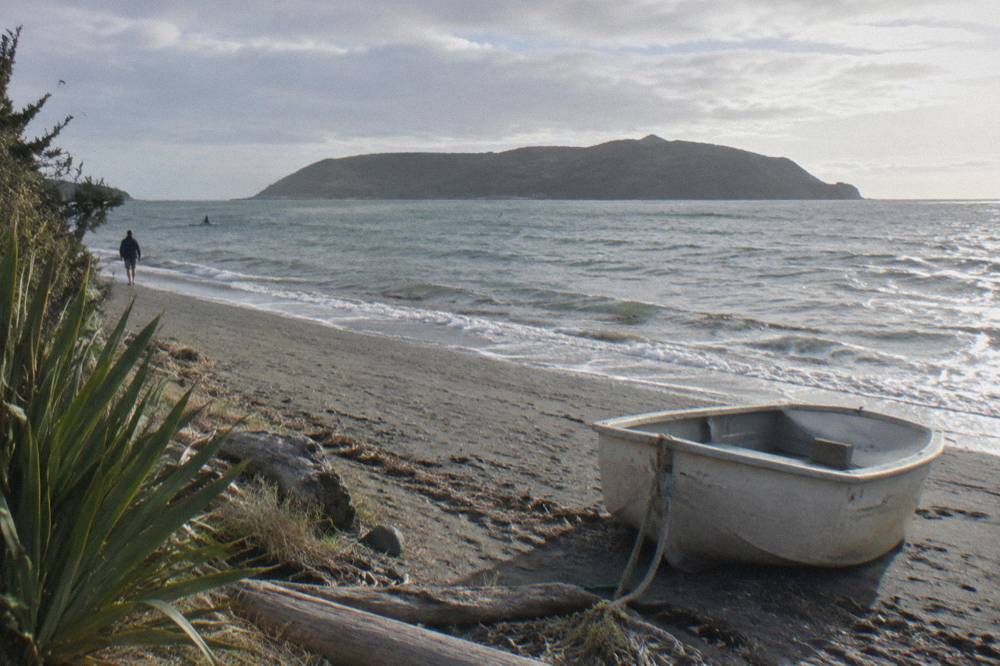
Boats leave from the Kapiti Boating Club at Paraparaumu Beach, roughly an hour north of Wellington by road, and the crossing takes about 15 to 20 minutes, in the operator's wording. Check-in is at the operator's office on Marine Parade, 20 to 40 minutes before sailing, and a DOC permit is included in the operator's trips. The season runs 1 September to 30 June.
Ferry departures fall in the morning and are confirmed at booking and by text the day before. The day tour starts at 08:45 at Paraparaumu Beach, and its booking page, like the overnight's, asks guests to phone between 7 and 7:15 am on the day to confirm the tour is going ahead. Sailings are usually daily from October to mid-May and Friday to Sunday in late May, June and September depending on demand. The lodge closes between Christmas and New Year while the ferry runs day trips only.
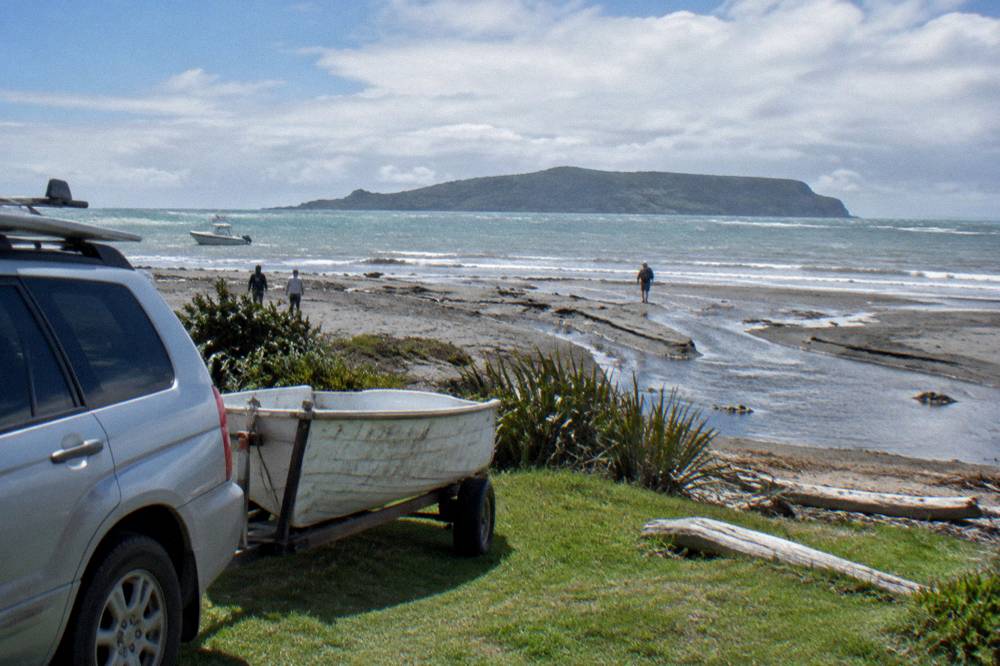
Visitors can park at the Boating Club or in the carpark across the stream; the operator lists a free public car park at the Boating Club and says there is no parking on the beach. The Wellington-return day tour removes the drive entirely, folding a shuttle from Wellington accommodation into its 6 hours: the ferry from Paraparaumu Beach across to Waiorua Bay, a guided day on the island, and a cooked lunch included at the lodge. Weather governs everything: the skipper cancels for unsafe sea or weather, with another date or a full refund, and in severe weather guests may have to stay extra time at no extra charge. The Paraparaumu Beach boat departure guide has the full details.
Can You Stay Overnight On Kapiti Island?
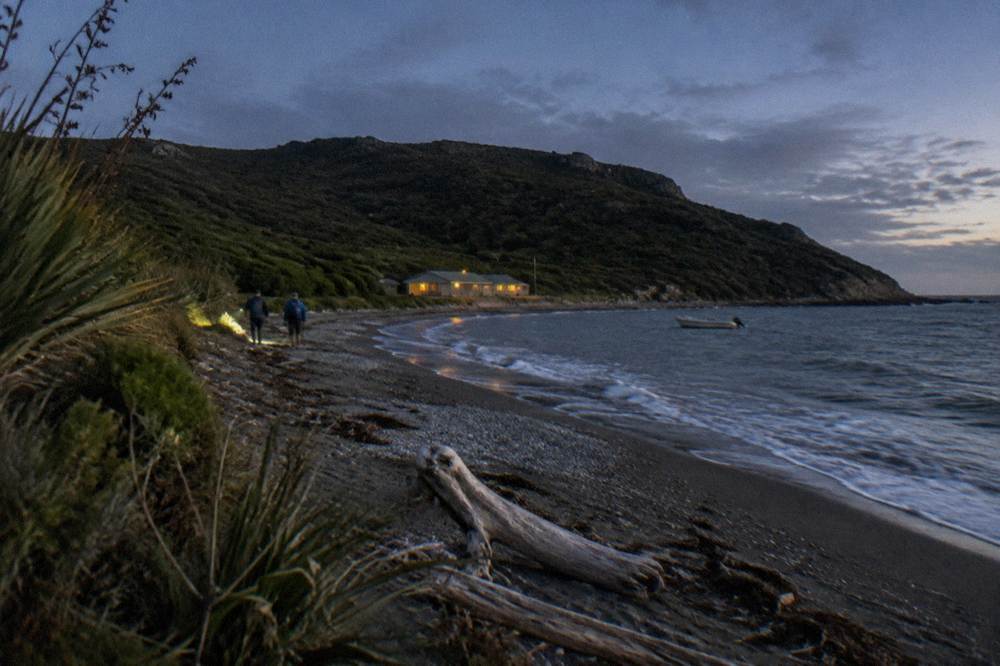
Yes, but only on the operator's private land at Waiorua Bay: DOC does not permit overnight stays inside the nature reserve. The overnight trip runs 2 days and 1 night from $401.73 per person, with dinner, breakfast and two lunches included, and a guided night walk looking for ruru, korora and kiwi pukupuku. It is rated 4.9 across 484 reviews.
The distinction between the reserve and the private land matters more here than on any other page. Part of the island is private land, held by local tangata whenua, and the lodge and cabin accommodation at Waiorua Bay sits on that land. Cabins and glamping tents have solar lights and no power supply. The operator asks for quiet clothing for kiwi spotting, since nylon and jandals can disturb kiwi, and the overnight booking page asks for moderate fitness. Group size is capped at 18.
No sighting is promised, and the operator says so plainly: it cannot guarantee a kiwi sighting. What the night walk offers is the chance to look, with a guide, in a place where little spotted kiwi live wild. Free cancellation up to 24 hours before the start applies to this trip, with a full refund, and a weather cancellation earns another date or a full refund.
What Is The Kapiti Marine Reserve?
The Kapiti Marine Reserve, established in 1992, protects 2,167 ha in two areas between the Paraparaumu and Waikanae beaches and Kapiti Island. No fishing of any kind is allowed, nothing may be taken or disturbed, and fish may not be fed. Blue moki, kingfish, seals and dolphins are named in the reserve, and Hole-in-the-Wall is a dive spot.
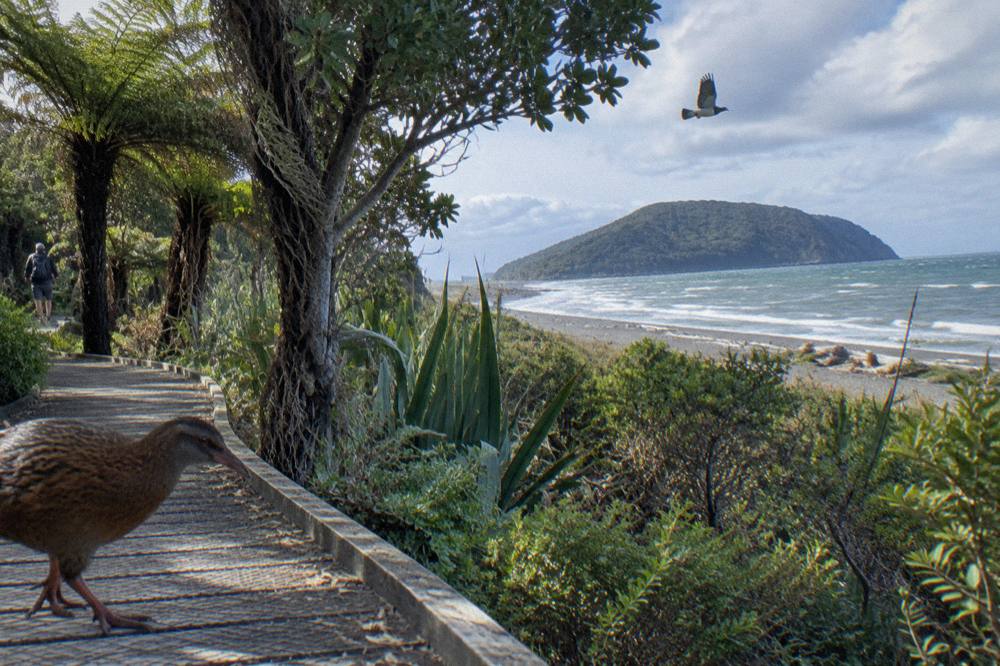
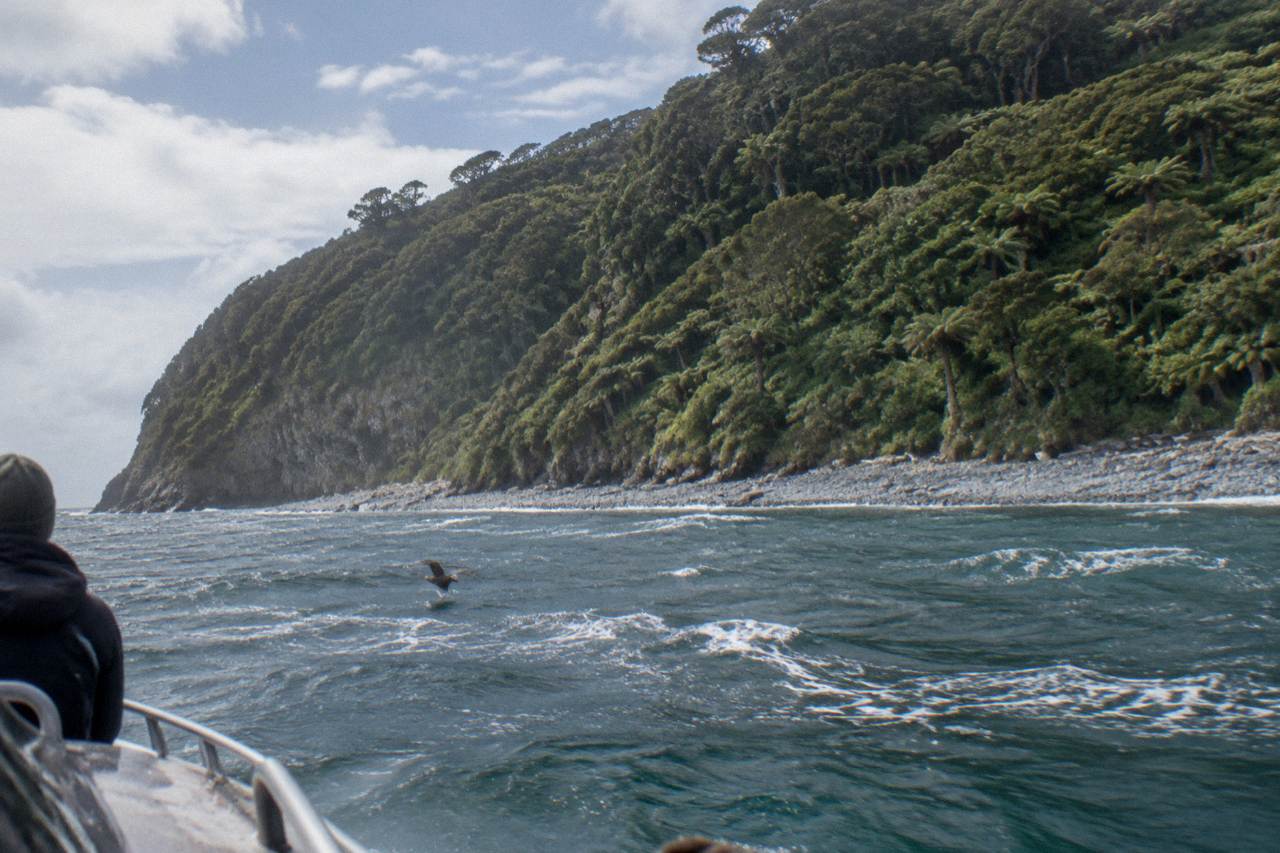
Gannets, fluttering shearwaters and little blue penguins are often seen on the boat trip, DOC says, while orca, seals and korora appear only "if you're really lucky". To snorkel from the island's shores you must travel there with a permit, and drone authorisation is needed near marine mammals.
How Does Kapiti Island Compare With Other Wellington Wildlife Tours?
Kapiti Island is the wild, multi-hour commitment: a ferry crossing, a DOC reserve and rare birds in their own habitat, from $186.78 per person for the 5-hour day tour. Zealandia's guided tours in Karori run 2 hours to 2 hours 30 minutes from $40.23 to $68.97 per person, and the Seal Coast Safari, 3 hours 30 minutes from $112.07 per person, visits Cape Terawhiti by 4WD. Each suits a different day.
Zealandia's sanctuary, a short drive into Karori, runs three guided tours on this site: a 2-hour daytime walk from $40.23 per person rated 4.8 across 248 reviews, a twilight walk from $63.22 rated 4.8 across 79 reviews, and a night tour from $68.97 rated 4.8 across 162 reviews. All three say they operate in all weather conditions, dress for it, and all cap groups at 12. The full comparison, including age minimums of 5 for the twilight and 12 for the night tour, sits in Kapiti Island tour or Zealandia tour.
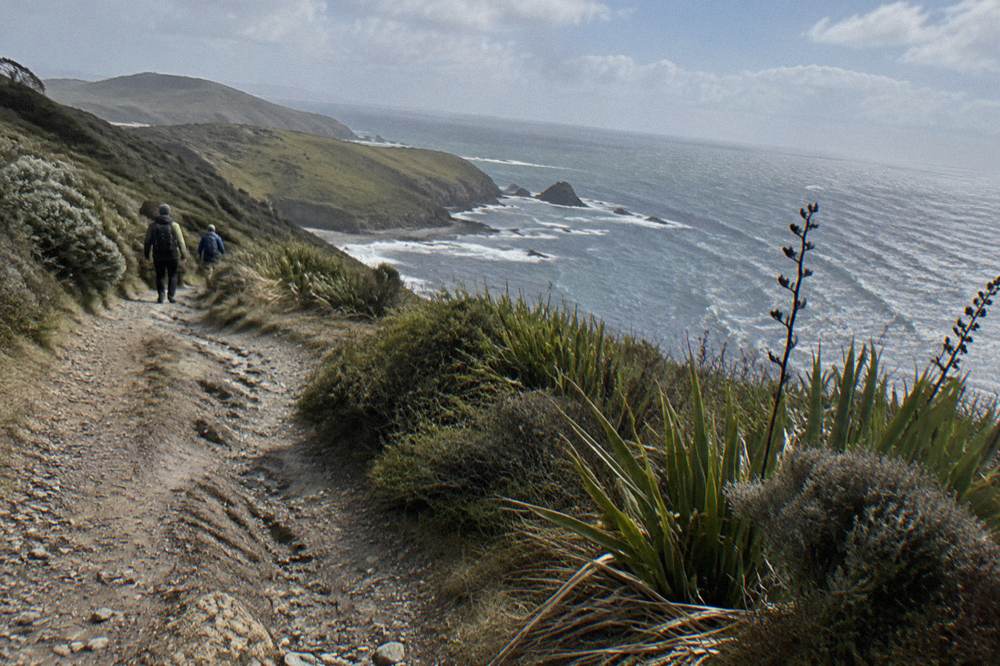
The Seal Coast Safari takes a different route again: after Otari-Wilton's Bush it crosses the private farmland of Terawhiti Station toward Cape Terawhiti by 4WD, in a group capped at 10, with pickup and drop-off direct from cruise ships. It is rated 4.9 across 372 reviews, needs good weather, and a weather cancellation earns another date or a full refund. No sighting is guaranteed there either. It never touches Kapiti Island, but it rounds out a Wellington wildlife shortlist alongside the island trips, and this site, Kapiti Island Tours, covers both.
What Is The Best Tour For A First Visit?
The 5-Hour Day Tour, Meal Included is the most reviewed Kapiti Island trip at 4.8 across 576 reviews, from $186.78 per person, and it covers the essentials: the ferry, an introductory talk, a guided nature and history walk of about an hour, and lunch at the lodge. Free cancellation up to 24 hours before the start applies, with a full refund.
It starts at Paraparaumu Beach at 08:45, checks in at the operator office on Marine Parade, and returns to the beach in front of the Kapiti Boating Club five hours later. Hotel pickup is not part of this trip, so a car or a ride to Paraparaumu Beach is part of the plan.
Readers with more time should weigh the overnight, 4.9 across 484 reviews, for the night walk; readers starting from Wellington should weigh the $305 Wellington-return variant for the shuttle.
Common Questions About What Kapiti Island Is Known For
What Is Kapiti Island Known For?
Kapiti Island is known as a predator-free DOC bird sanctuary reserved since 1897, home to wild little spotted kiwi extinct on the mainland, takahe, kokako, hihi and saddleback, plus whaling and Maori history including trypots, a whare from the 1860s and the story of Te Rauparaha of Ngati Toa, all wrapped in a 1992 marine reserve.
Can You See Kiwi On Kapiti Island?
Little spotted kiwi live wild on Kapiti Island, and the overnight trip includes a guided night walk looking for ruru, korora and kiwi pukupuku. The operator says it cannot guarantee a kiwi sighting, so treat any encounter as a chance, never a promise.
Who Can Take You To Kapiti Island?
DOC lists one concessionaire, Kapiti Island Nature Tours, for transport, guided walks, overnight kiwi spotting tours and lodge accommodation. Private boats, kayaks, jetskis, paddleboards and swimmers may not land, so an approved operator is the only access.
How Long Is The Ferry To Kapiti Island?
Boats leave the Kapiti Boating Club at Paraparaumu Beach, roughly an hour north of Wellington by road, and the crossing takes about 15 to 20 minutes, in the operator's wording. Departures fall in the morning and are confirmed at booking and by text the day before.
Can You Stay Overnight On Kapiti Island?
Only on the operator's private land at Waiorua Bay, since DOC does not permit overnight stays inside the nature reserve. The overnight trip runs 2 days and 1 night from $401.73 per person, with meals and a guided night walk included.
Is Kapiti Island Worth Visiting?
For anyone interested in native birds, yes: it is one of the largest accessible island bird sanctuaries in New Zealand, with species often seen that are rare or absent on the mainland. The day tour runs from $186.78 per person for 5 hours with lunch and a guided walk included.