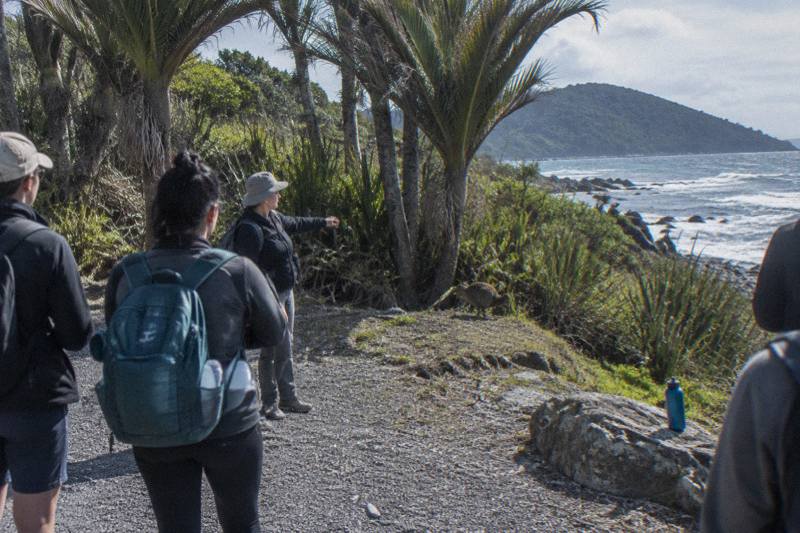
Kapiti Island Walks On A Guided Day Trip: Tracks, Time And Fitness
Kapiti Island is walked, not driven. Here is what the tracks are like, how long they take, and which tour suits a day on foot.
Short answer
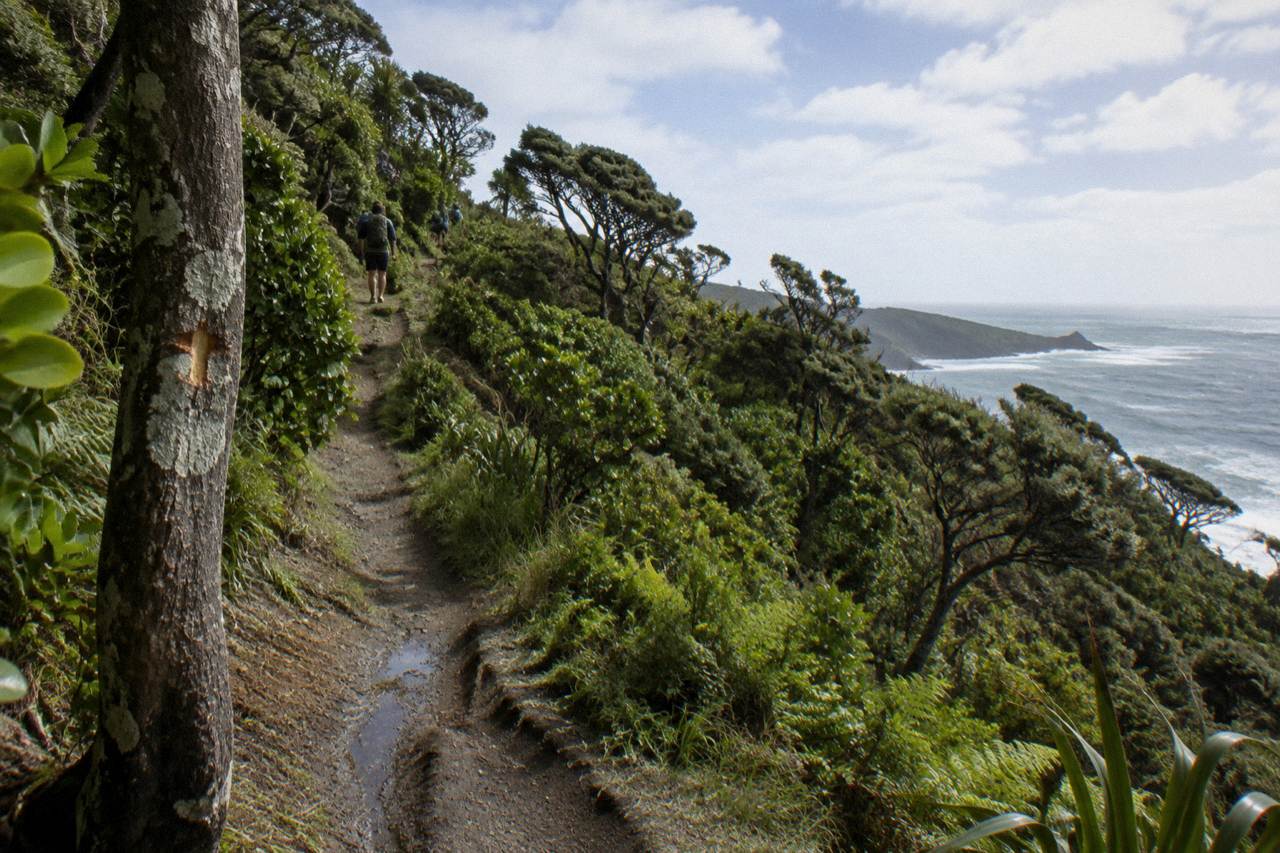
Kapiti Island has two public walking areas, Rangatira and the North End. The Rangatira Loop takes 1 hour 30 minutes, the Wilkinson Track 2 hours one way, and the Trig Track 2 hours one way. The guided day tour from $186.78 per person includes a guided nature and history walk of about 1 hour.
Kapiti Island is a nature reserve where the only way to get around is on foot. There are no roads, no shop, and no vehicle of any kind on the island, so every visit is a walking visit, whether that is a short guided loop or a two hour climb to the summit at Tuteremoana, 521 m above the sea. The island sits 5 km off the Kapiti Coast, is about 10 km long and about 2 km wide, covers 1,965 ha, and has been managed as a bird sanctuary since 1897, with the Department of Conservation taking stewardship in 1987. Since every visit starts with a boat ride, the guide to getting from Wellington to Kapiti Island covers the distance, where the ferries leave from, and how long the crossing takes.
What catches many visitors out is that the walking is not a free-for-all. Kapiti Island is predator free, access is only through approved operators, and private boats may not land. DOC lists one concessionaire for transport, guided walks, overnight kiwi spotting tours and lodge accommodation, Kapiti Island Nature Tours, and the permit you need to step ashore is included in its trips. This page sets out the tracks, the times, the fitness question and the rules, so you can judge whether a guided walking day on the island suits you. For the broader picture of getting there, see the Kapiti Island ferry and boat crossing guide.
The island's story explains why the walking feels the way it does. Reserved as a bird sanctuary in 1897, Kapiti became one of the largest accessible island bird sanctuaries in New Zealand, and the walking tracks double as a tour through that history: whaling trypots beside the Rangatira Loop, a historic whare from the early 1860s, and a summit named Tuteremoana. Richard Henry, described by DOC as the world's first state sponsored conservation officer, was caretaker on the island from 1908. None of that is behind glass; it sits beside the tracks you walk.
What Kapiti Island Walks Can You Do On A Day Tour?
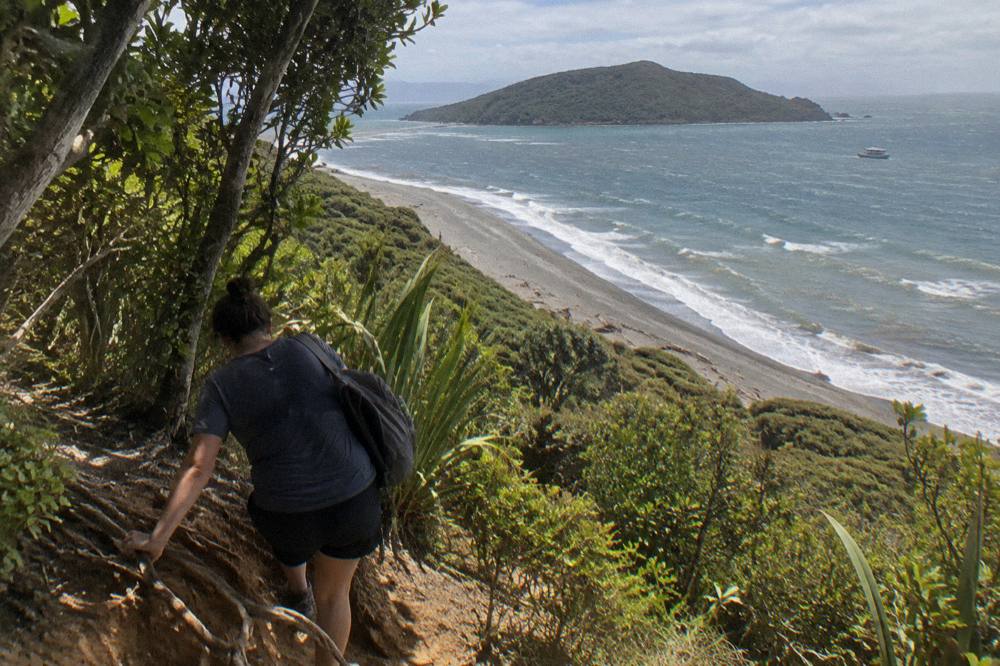
The Classic Day Tour runs to Waiorua Bay at the North End, private land rather than the reserve, where the gentle Okupe Valley Loop takes 1 hour 30 minutes and 4.8 km. Rangatira's tracks are reached on the operator's separate day trips. The guided day tour itself includes a guided nature and history walk of about 1 hour.
Beyond the loop track, two tracks climb toward the summit ridge. The Wilkinson Track runs 3.8 km one way, 2 hours, with a picnic area and a hihi feeding station about a third of the way up. The Trig Track is the steeper sibling, 2 km one way, 2 hours, and DOC marks it as an uphill direction only track. Many walkers climb by one and descend by the other, but these tracks belong to the operator's separate self-guided Rangatira Day Trip, not the Classic Day Tour, which lands at Waiorua.
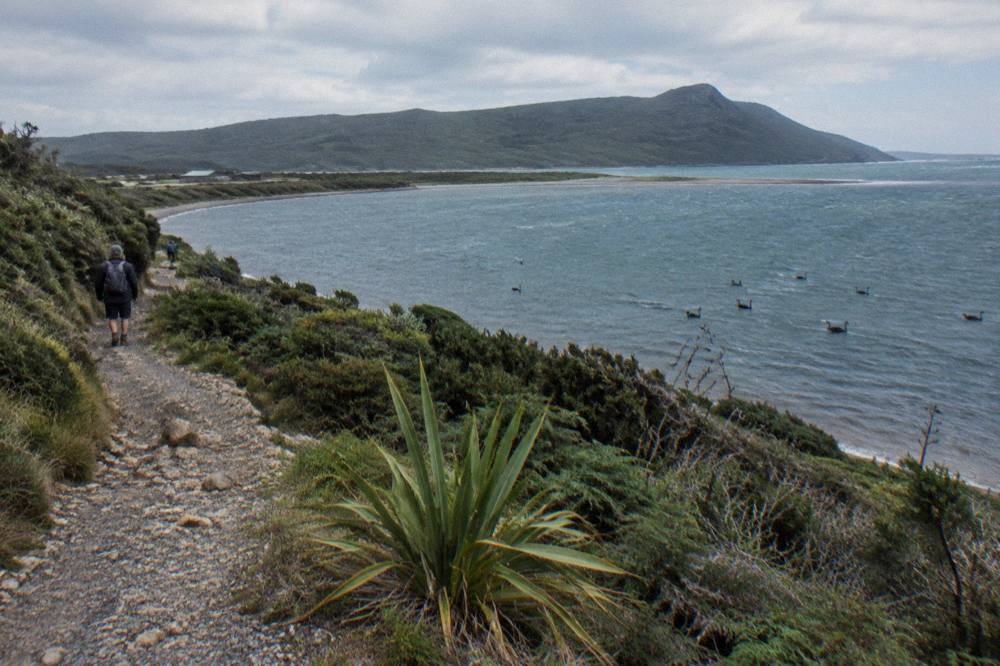
The North End, around Waiorua Bay, is quieter walking country. The Okupe Valley Loop climbs gently to a 198 m lookout above the western cliffs, with views over Okupe Lagoon, where scaup, grey and brown teal, black swans and royal spoonbills are often on the water. The short Boulder Bank Loop, 45 minutes and 2 km, is closed from October to March each year for nesting seabirds, a closure worth building your dates around if that shoreline walk was part of your plan.
It is worth being precise about what the guided day tour covers, because the island's tracks and the tour's walk are different things. The 5 hour day tour, from $186.78 per person, includes the ferry, an introductory talk, a guided nature and history walk of about 1 hour, and lunch at the lodge. It starts at 08:45 at Paraparaumu Beach, at the operator check-in on Marine Parade, and the crossing to the island takes about 15 to 20 minutes. That leaves the balance of your five hours for the island's own tracks, walked at your pace. Planning the whole day out from Wellington is covered in the Kapiti Island day trip guide.
The distinction matters for expectations. The guided walk is an orientation: about an hour of nature and history with someone who knows the island, which for many visitors is the moment the reserve starts making sense. The tracks afterwards are yours, at your speed, with the birds and the views to yourself.
How Long Do The Kapiti Island Walking Tracks Take?
DOC's track figures for Rangatira are: Rangatira Loop 1 hour 30 minutes over 1.8 km, Wilkinson Track 2 hours one way over 3.8 km, and Trig Track 2 hours one way over 2 km. At the North End, the Okupe Valley Loop takes 1 hour 30 minutes over 4.8 km and the Boulder Bank Loop 45 minutes over 2 km, though the Boulder Bank is closed October to March for nesting seabirds.
- Zealandia Tours$40.23
- Kapiti Coast Nature Tours$56.90
- Wellington Seal Coast Tours$112.07
- Kapiti Island Tours$186.78
These times come from DOC's own track information for the island. The loop tracks are measured as circuits, while the two summit tracks are one way figures, so a Wilkinson and Trig combination from Rangatira is realistically a half day of walking once you add the loop, lunch and the ferry timing. If you're weighing up which summit route suits you best, the full guide to walking up Kapiti Island compares the Wilkinson and Trig options in detail.
| Track | Area | Time | Distance | Notes |
|---|---|---|---|---|
| Rangatira Loop Track | Rangatira | 1 h 30 min | 1.8 km loop | Whaling trypots, historic whare, wetland boardwalk |
| Wilkinson Track | Rangatira | 2 h | 3.8 km one way | Picnic area and hihi feeding station a third of the way up |
| Trig Track | Rangatira | 2 h | 2 km one way | Steeper, uphill direction only |
| Okupe Valley Loop | North End | 1 h 30 min | 4.8 km loop | Gentle gradient to a 198 m lookout above the western cliffs |
| Boulder Bank Loop | North End | 45 min | 2 km loop | Closed October to March for nesting seabirds |
One planning note that is easy to miss: it is not currently possible to walk from Rangatira to Waiorua, so the two public areas do not join up on foot. Your ferry landing determines which set of tracks you can reach during a day visit, and the operator's trips are structured around that fact. The overnight trip, $401.73 per person for 2 days, stays on private land at Waiorua Bay, with day one spent at Rangatira.
For anyone matching these times against a tour choice, the island's three trips all belong to one operator, Kapiti Island Nature Tours, the only DOC-listed concessionaire. The day tour and the overnight trip both start from Paraparaumu Beach, while the Wellington-return day tour adds a shuttle from your Wellington accommodation. Whichever you pick, the walking itself is the same island. If a fuller comparison of the three trips is what you need, the Kapiti Island tours compared guide lays them side by side.
Timing your walk around the ferry is the practical arithmetic of the day. Ferry departures fall in the morning and are confirmed at booking and by text the day before, and check-in at the Marine Parade office is 20 to 40 minutes before sailing. The day tour's five hours run from the 08:45 start back to the beach in front of the Kapiti Boating Club, so budget your summit ambitions inside that window rather than against it.
How Hard Are The Kapiti Island Walks?
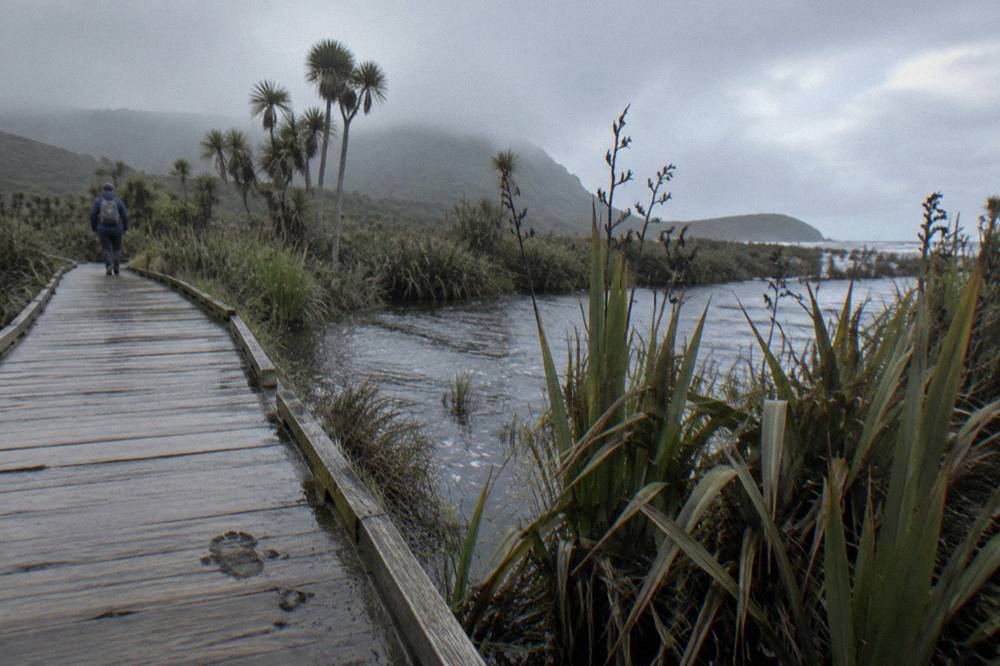
The island's tracks are unpaved and reasonable fitness is needed. The loop tracks are gentle, but the Wilkinson and Trig tracks are genuine hill climbs, gaining several hundred metres to the 521 m summit. The landing itself is a stony beach reached by ramp, the island is not wheelchair accessible, and prams are hard to manage, so a child carrier is advised.
Fitness is the honest dividing line on Kapiti. If the Rangatira Loop or the Okupe Valley Loop is your ceiling, the island is comfortable walking, well within the range of anyone who handles an hour or more of park paths at home. The summit tracks are a different proposition: two hours of climbing on unpaved surfaces, with the Trig Track the steeper of the two. Neither is technical, but both ask for steady legs and shoes with grip. If you're still weighing whether your legs are up to the climb, the guide to how long the Kapiti Island walk takes compares times for every track and tour option.
The landing shapes the first and last five minutes of every visit. The ferry ties off at a stony beach and you step ashore by ramp. Once ashore, keep to the formed tracks, which is both a rule and good sense, since the ground off track is steep, rooted and home to the wildlife the reserve protects.
The overnight trip's booking page asks for moderate fitness, and that is a fair benchmark for anyone planning to combine the summit tracks with a night walk. The overnight itinerary includes a guided night walk looking for ruru, korora and kiwi pukupuku, and the operator is explicit that it cannot guarantee a kiwi sighting. Cabins and tents on the private land at Waiorua have solar lights and no power supply, and the operator asks for quiet clothing for kiwi spotting, since rustling fabrics can disturb them. Walking with children is covered in detail in the Kapiti Island tour with children guide.
For families, the practical read is that the operator's own advice, a carrier rather than a pram, tells you what the tracks are like underfoot.
What Should You Bring For Walking On Kapiti Island?
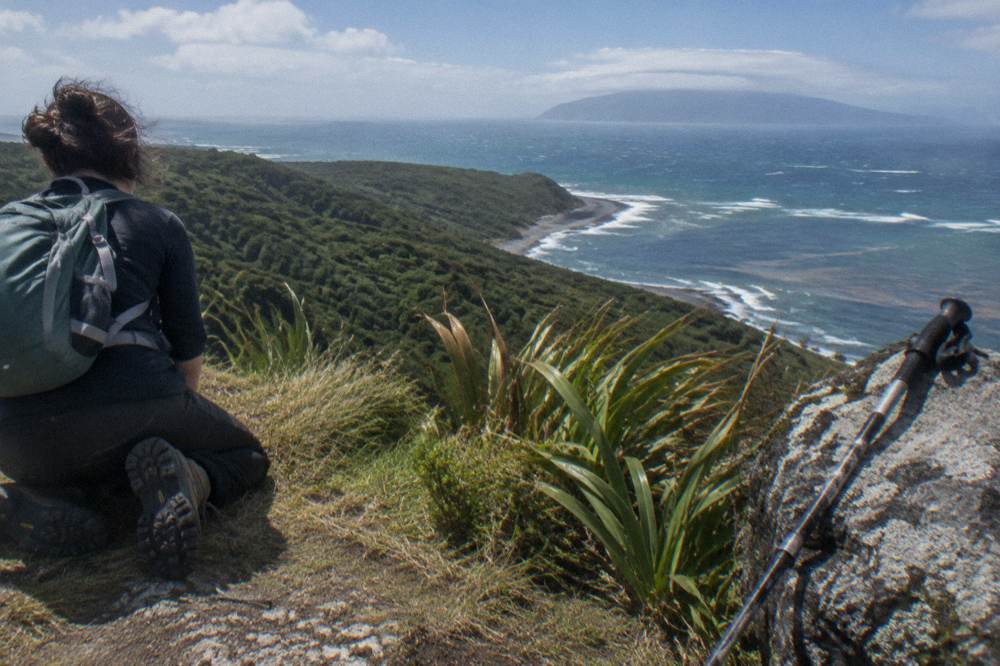
Bring your own water and food, sturdy walking shoes, and layers for changeable weather. DOC says all water on the island is untreated, so bring your own supply. Rangatira has fresh drinking water at the visitor shelter, but Waiorua's shelter has none. There is no shop and nowhere to buy food on the island, and the day tour's included lunch is the exception rather than the rule.
The biosecurity rules are the part that stops people at check-in, so deal with them before you leave home. Bags are inspected and unpacked before boarding: check clothing, footwear and bags for pests, soil, seeds and plant material, keep food in sealed containers, and leave open bags of food behind. The operator also asks that footwear and ground-contact gear be cleaned within 48 hours of sailing, and a biosecurity team screens bags at check-in. Getting this right is the difference between a quick check-in on Marine Parade and a delay.
| Item | Why it matters on the island |
|---|---|
| Sealed food containers | Open bags of food are not allowed on the ferry; weka and kaka are expert at getting into bags |
| Own drinking water | DOC says all water on the island is untreated; the Waiorua shelter has no fresh water |
| Sturdy shoes with grip | Tracks are unpaved; the summit tracks climb steeply and can be slick after rain |
| Warm and waterproof layers | Weather on the crossing and the summit can differ sharply from the beach |
| Rubbish bag | All rubbish, including fruit pips and cores, must be packed out |
| Quiet clothing (overnight) | The operator asks for quiet fabrics for the night walk, since rustling can disturb kiwi |
Two rules are worth repeating because they catch walkers by surprise. Weka and kaka are inquisitive and skilled at opening bags, so keep belongings out of reach when you stop. And pack out everything, down to fruit cores, because nothing is left on the island. Fires and portable cooking stoves are not permitted, and smoking and vaping are off limits, which settles the lunch question: eat what you brought, or what your tour provides. The full packing rundown is in what to bring on a Kapiti Island day trip.
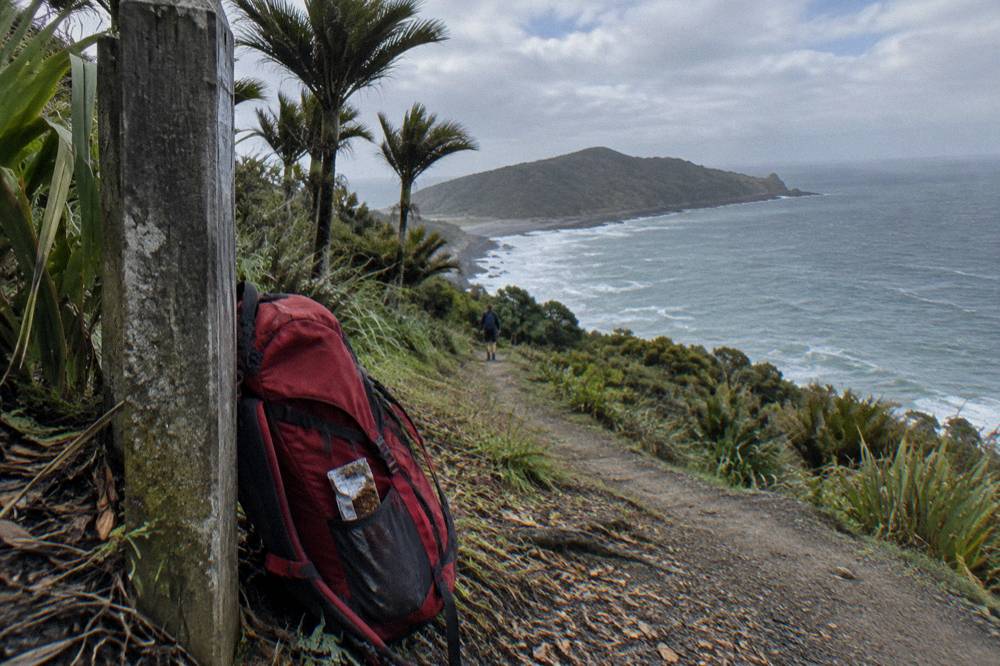
The overnight trip includes dinner, breakfast and two lunches, so food planning mostly resolves itself there. Day trippers on the classic tour get lunch at the lodge; anyone adding their own summit walk should carry water and snacks regardless, since the Wilkinson Track's picnic area is a fair way from anywhere you can refill. Layering is the other quiet essential: the beach at Paraparaumu, the ferry deck and the 521 m summit are three different weather systems in one morning, and the wind on the ridge is a constant.
Which Kapiti Island Tour Suits A Walking Day?
The 5-Hour Day Tour at $186.78 per person is the walking-focused choice: ferry, about 1 hour guided walk and lunch. The overnight trip at $401.73 per person for 2 days adds the guided night walk and the North End walks. From Wellington, the 6-Hour Day Tour at $305 per person includes the shuttle and a cooked lunch.
The day tour, rated 4.8 across 576 reviews, is the most reviewed trip on this site and the one built around a walking day: a 08:45 start at Paraparaumu Beach, a crossing of about 15 to 20 minutes, an introductory talk, the guided walk and lunch, with time around those anchors for your own track choice. It needs good weather, and a weather cancellation earns another date or a full refund. For the day tour and the overnight stay, phone between 7 and 7:15 am on the day to confirm your trip is going ahead.
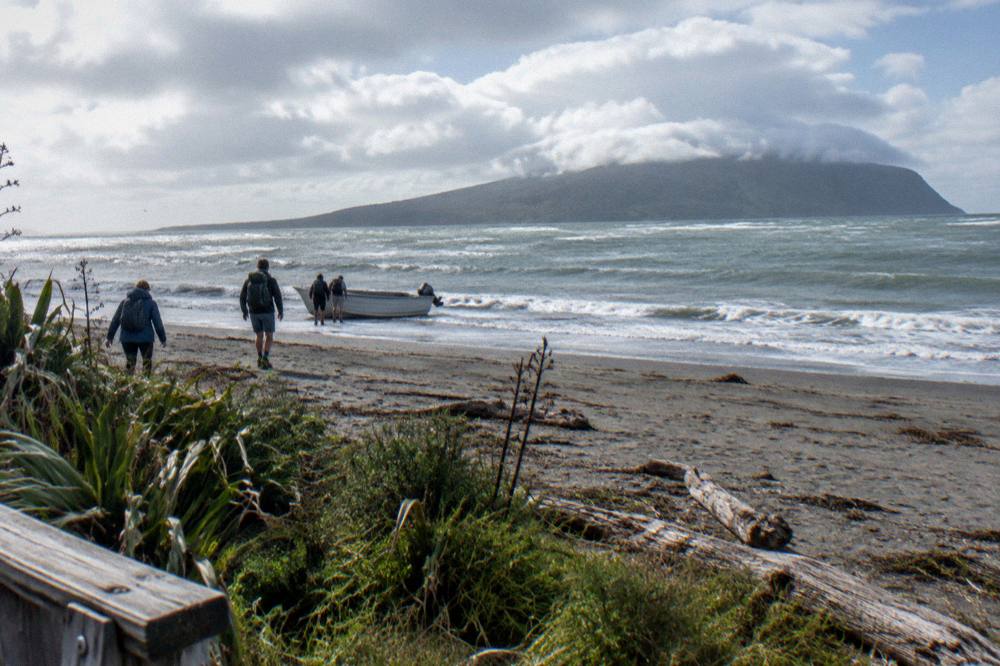
For walkers staying in the capital without a car, this option handles the Wellington return trip. A shuttle from your Wellington accommodation to Paraparaumu Beach, the ferry to Waiorua Bay, a guided day and a cooked lunch at the lodge, all in a 6 hour window that includes the shuttle legs. Paraparaumu Beach sits roughly an hour north of Wellington by road.
| Tour | Price per person | Time on the trip | Walking included | Meals |
|---|---|---|---|---|
| 5-Hour Day Tour, Meal Included | from $186.78 | 5 hours | Guided nature and history walk, about 1 hour | Lunch |
| 2 Days 1 Night, Meals Included | $401.73 for 2 days | 2 days, 1 night | Guided night walk plus North End tracks | Dinner, breakfast, 2 lunches |
| 6-Hour Day Tour, Wellington Pickup | from $305.00 | 6 hours including shuttle | Guided day on the island | Cooked lunch |
The overnight trip, rated 4.9 across 484 reviews, is the one for walkers who want the island after dark and the North End tracks without a ferry clock ticking. The stay is on the operator's private land at Waiorua Bay, never inside the DOC reserve, where overnight stays are not permitted. Groups are capped at 18, and the night walk looks for ruru, korora and kiwi pukupuku, with no sighting guaranteed. For walkers weighing the Kapiti Island overnight stay against a day visit, the track access is the practical difference: Waiorua's tracks versus Rangatira's.
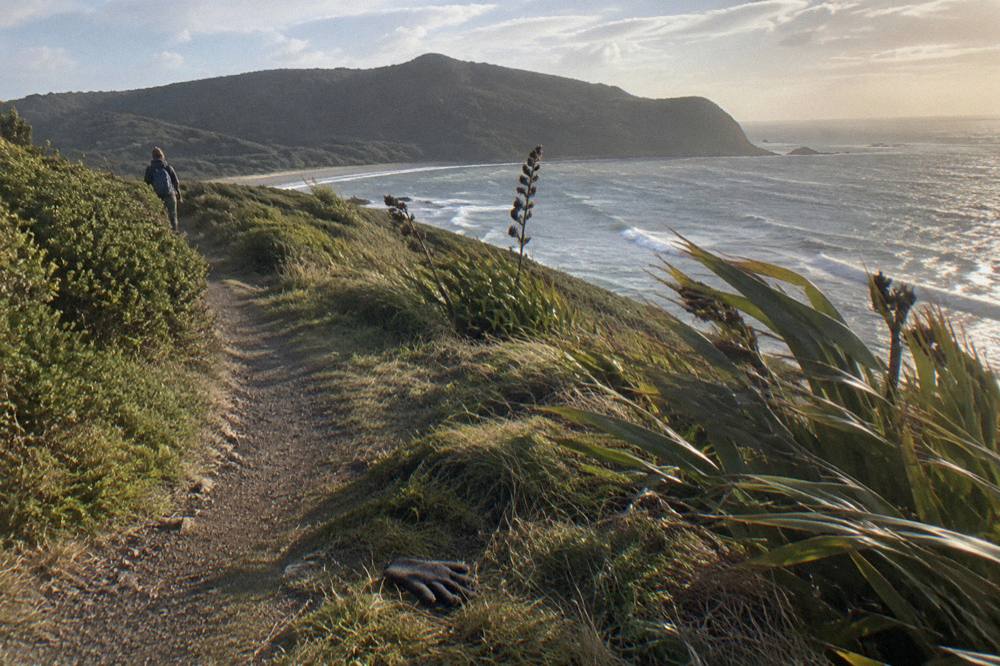
The wild kiwi on Kapiti are little spotted kiwi, a species extinct on the mainland, which is the quiet reason the overnight walk carries such weight with birders. But the operator's own wording is careful: the night walk looks for ruru, korora and kiwi pukupuku, and no sighting is guaranteed. The day tour, by contrast, is a daylight proposition: kaka, kereru, tui, bellbird, weka, North Island robin, fantail and whitehead are among the birds DOC names on the island, with saddlebacks, stitchbirds and takahe often seen. How many you meet is down to the day.
What Rules Apply When Walking On Kapiti Island?
Keep 10 m from animals, give wildlife right of way, keep to formed tracks, and pack out all rubbish including fruit pips and cores. No fires, no portable cooking stoves, no smoking or vaping, nothing taken off the island, no feeding wildlife and no pets. Drones need a permit, and the surrounding Kapiti Marine Reserve allows no fishing or disturbance of any kind.
The 10 m rule is the one that governs a walking day most. The island's birds, from inquisitive weka to kaka and takahe, are used to people but protected by distance rules, and DOC asks walkers to hold that gap even when a bird approaches, which happens. DOC says saddlebacks, stitchbirds and takahe are often seen, and hihi, kokako, takahe, brown teal and saddleback have all been transferred to the island since the 1980s, but no sighting is ever promised.
The marine reserve that surrounds the island, established in 1992 across 2,167 ha, adds its own layer: no fishing of any kind, nothing taken or disturbed, and no feeding of fish. Blue moki, kingfish, seals and dolphins are named in the reserve, and on the crossing DOC's own phrasing is that orca, seals and korora appear only "if you're really lucky". Snorkelling from the island's shores requires travelling there with a permit, so the ferry is a looking trip, not a swimming one.
The island's freedom from introduced mammals is the reason all these rules exist, and it was earned the hard way. DOC records that kiore and Norway rats were removed by aerial drop in September and October 1996, after goats were eradicated in 1928 and possums destroyed from 1980 to 1986, leaving the island free of introduced mammals. Every cleaned boot and sealed lunch container is part of keeping it that way.
When Should You Plan A Kapiti Island Walking Day?
The operator's season runs 1 September to 30 June, with sailings usually daily from October to mid-May and Friday to Sunday in late May, June and September depending on demand. The Boulder Bank Loop is closed October to March for nesting seabirds, and the lodge closes between Christmas and New Year while the ferry runs day trips only. Summer and early autumn give the widest choice of walking and sailing days.
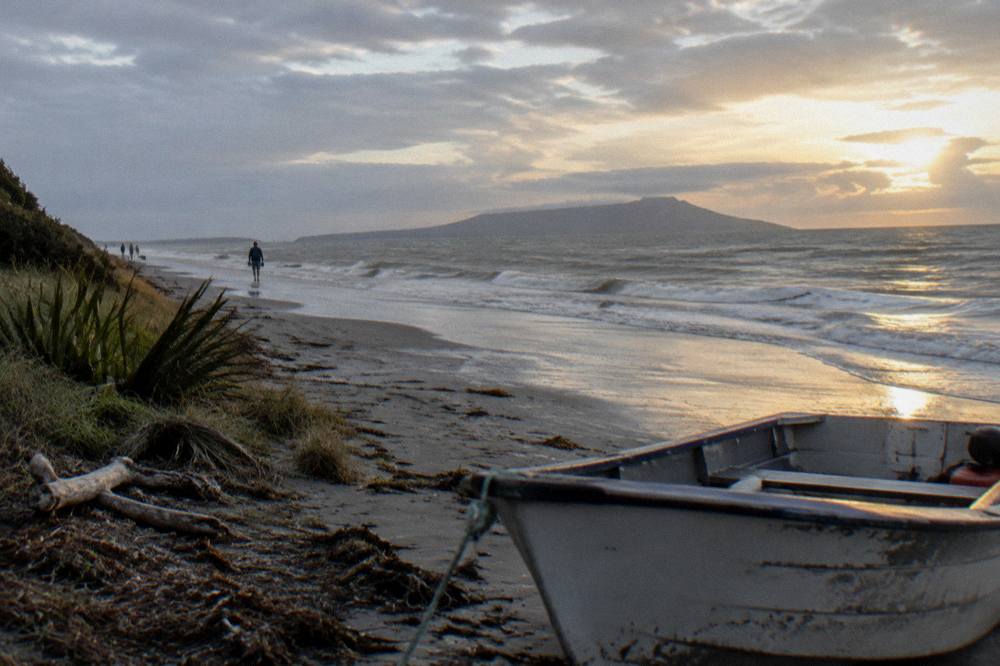
Inside that season, the walking itself does not change much: the tracks are the same in April as in January, with the long-tailed cuckoo a summer-only visitor that DOC names among the island's species. What changes is the margin for error. A spring or autumn day can turn on the crossing, the good-weather requirement on the day tour and the overnight trip then matters more, and the skipper's call, another date or a full refund on a cancellation, becomes part of the plan rather than a footnote.
Ferry departures fall in the morning, so an early night before a walking day is not just advice, it is the structure of the trip. The day tour and overnight booking pages ask guests to phone between 7 and 7:15 am on the day to confirm the tour is going ahead, and DOC's own guidance is to contact the operator on the morning of the trip for a weather check. In severe weather, guests already on the island may have to stay extra time at no extra charge, a wrinkle worth knowing before you book a tight onward schedule.
If a night walk with kiwi is the priority rather than a wild island walk, the Nga Manu Kiwi Night Encounter in Waikanae offers an escorted dusk viewing of a resident pair of North Island brown kiwi in a purpose-built habitat, from $56.90 per person over 1 hour 30 minutes, with no photography allowed; it is a different animal in a different setting from the wild little spotted kiwi on Kapiti.
Common Questions About Kapiti Island Walks
What Kapiti Island Walks Can You Do On A Day Tour?
Reached on the operator's separate self-guided Rangatira Day Trip, not the Classic Day Tour: the Loop Track takes 1 hour 30 minutes over 1.8 km, the Wilkinson Track 2 hours one way over 3.8 km, the Trig Track 2 hours one way over 2 km. The North End offers the Okupe Valley Loop, 1 hour 30 minutes over 4.8 km, and the Boulder Bank Loop, closed October to March for nesting seabirds. The guided day tour includes a guided walk of about 1 hour.
How Hard Are The Kapiti Island Walks?
The loop tracks are gentle, but the tracks are unpaved and DOC and the operator say reasonable fitness is needed. The Wilkinson and Trig tracks are genuine two hour climbs toward the 521 m summit. The landing is a stony beach by ramp, the island is not wheelchair accessible, and a carrier is advised over a pram.
Can You Walk Up To The Summit Of Kapiti Island?
Yes, on a day visit with enough time. The Wilkinson Track runs 3.8 km one way, about 2 hours, with a picnic area and hihi feeding station a third of the way up, and the Trig Track is a steeper 2 km one way, uphill direction only. Both figures are DOC's.
Do You Need To Be On A Tour To Walk On Kapiti Island?
Yes. Kapiti Island is a DOC nature reserve reached only with approved operators, and private boats may not land. DOC lists one concessionaire, Kapiti Island Nature Tours, and the DOC permit is included in its trips.
Can You Walk From Rangatira To Waiorua On Kapiti Island?
No, it is not currently possible to walk between the two areas. Your ferry landing determines which set of tracks you can reach, which is why the day tour and the overnight trip, which stays on the operator's private land at Waiorua Bay, suit different walking plans.
What Should You Bring For Walking On Kapiti Island?
Bring your own water, since DOC says all water on the island is untreated and the Waiorua shelter has no fresh water. Bring sealed food, sturdy shoes, layers and a rubbish bag, because there is no shop on the island and everything, including fruit cores, must be packed out.