Kapiti Island Permit And Landing Rules On A Guided Trip
Kapiti Island is a DOC nature reserve where nobody lands without a permit. Here is how that permit works when you book a guided trip, what the biosecurity check involves, and the rules that apply from the moment the boat touches the stony beach.
Short answer
No one lands on Kapiti Island without a permit, and DOC allows access only through approved operators. Kapiti Island Nature Tours, the one DOC-listed concessionaire, includes the DOC permit in its three trips: the 5-hour day tour from $186.78 per person, the overnight stay at $401.73 per person for 2 days, and the Wellington-return day tour from $305 per person.
Kapiti Island sits 5 km off the west coast of the lower North Island, and you cannot simply pull up on it. The Department of Conservation (DOC) manages the island as a predator-free nature reserve, reserved as a bird sanctuary since 1897, and access runs through a permit system with one approved operator for transport, guided walks and overnight stays. Get the permit question right and everything else about the trip, the boat, the biosecurity check, the landing beach, falls into place. The reason behind those strict rules, from the eradication effort that cleared the island to the boot checks before boarding, is unpacked in the guide to predator-free Kapiti Island tours.
This guide lays out exactly how the permit works on a guided tour, who may and may not land, what happens at check-in before you board, and the rules that apply once you step ashore. It draws on DOC's published guidance for the island and the tours featured on Kapiti Island Tours.
Do You Need A Permit To Land On Kapiti Island?
Yes. Every visitor to Kapiti Island needs a permit to land, and DOC grants access only through approved tour operators, with private boats, kayaks, jetskis, paddleboards and swimmers all barred from landing. The permit itself is folded into the guided trips run by Kapiti Island Nature Tours, the single operator DOC lists for the island, so a booking and a permit arrive together rather than as two separate errands. If you're still weighing how the permit system works day to day, the guide to Kapiti Island permits explains what to expect from booking to boarding.
That single fact shapes the whole planning question. Kapiti Island is not a do-it-yourself destination in the way a public beach or a regional park is. DOC manages the 1,965 hectare reserve, about 10 km long with its highest point Tuteremoana at 521 m, as a sanctuary free of introduced mammals, and the only legal way ashore is with an approved operator holding the concessions for transport, guided walks and accommodation. Reserved as a bird sanctuary in 1897 and under DOC stewardship since 1987, the island has two public areas visitors may use, Rangatira halfway along the eastern shore and the North End, plus private land around Waiorua Bay where the operator's lodge stands.
- Zealandia Tours$40.23
- Kapiti Coast Nature Tours$56.90
- Wellington Seal Coast Tours$112.07
- Kapiti Island Tours$186.78
For a reader trying to work out how to book a Kapiti Island trip, the practical translation is simple: choose a guided trip, and the permit comes with it. The operator includes the DOC permit in its trips, so there is no separate application to file, no queue at a government office and no permit fee to budget separately. What you book is what you get: the ferry, the permit, an introductory talk, and in the case of the day tours a guided walk and a meal. The trade-off is that you cannot improvise. You cannot decide on a fine morning to drive to Paraparaumu Beach with a kayak and paddle out, because DOC's rules are explicit that private craft of every kind, and swimmers, may not land. The full picture of the crossing itself is covered in the Kapiti Island ferry and boat crossing guide, while this page concentrates on the permit and the landing rules.
The island's biosecurity stakes explain why the permit system is strict. Kiore and Norway rats were removed by aerial drop in September and October 1996, according to DOC that had already cleared goats by 1928 and possums by 1986. A single seed in a boot tread or a mouse in a day pack could undo nearly 30 years of that work, which is why the permit system is paired with an inspection regime at the departure point rather than a paper check alone.
How Does The Permit Work When You Book A Guided Tour?
The DOC permit is included in every Kapiti Island Nature Tours trip, so booking a tour is the permit process. Kapiti Island Nature Tours runs three island trips: the 5-hour day tour from $186.78 per person, rated 4.8 across 576 reviews, the 2-day, 1-night stay from $401.73 per person, and a 6-hour day tour with a Wellington shuttle from $305 per person.
Those three trips are one operator's products, not three competing companies. Kapiti Island Nature Tours is the only operator DOC lists as a concessionaire for the island, and its trips differ mainly in where they start and how long they last. The 5-hour day tour meets at Paraparaumu Beach, with check-in at the operator office on Marine Parade and a start at 08:45, and includes the ferry, an introductory talk, a guided nature and history walk of about an hour, and lunch at the lodge. The overnight version adds a guided night walk looking for ruru, korora and kiwi pukupuku, with the stay on the operator's private land at Waiorua Bay, because DOC does not permit overnight stays inside the nature reserve itself. The Wellington-return day tour collects you from your Wellington accommodation by shuttle, runs you to Paraparaumu Beach and over to Waiorua Bay, and includes a cooked lunch.
Deciding between them is mostly a question of transport and time. The Kapiti Island tours compared guide breaks the choice down tour by tour, and the 5-hour day tour with lunch included is the most reviewed island trip on this site, which makes it a sensible default for a first visit. For the day tour and the overnight stay, phone between 7 and 7:15 am on the day to confirm your trip is going ahead, a habit worth building into your morning plan.
Whichever trip you choose, the permit travels with the booking rather than separately. That matters for the paperwork side of planning: you will not receive a standalone permit document to present at the beach. Your job is simply to be at check-in 20 to 40 minutes before sailing, as the operator asks, with clean gear and sealed food.
Can You Take Your Own Boat, Kayak Or Jet Ski To Kapiti Island?
No. DOC's rules for Kapiti Island are explicit that private boats, kayaks, jetskis, paddleboards and swimmers may not land, and the waters around the island include a marine reserve where fishing and disturbance are banned. Landing is legal only with an approved operator, which in practice means the guided trips from Paraparaumu Beach. To understand what those protected waters cover and which DOC rules apply out on the water, the guide to the Kapiti Island marine reserve and boat trip rules covers it all.
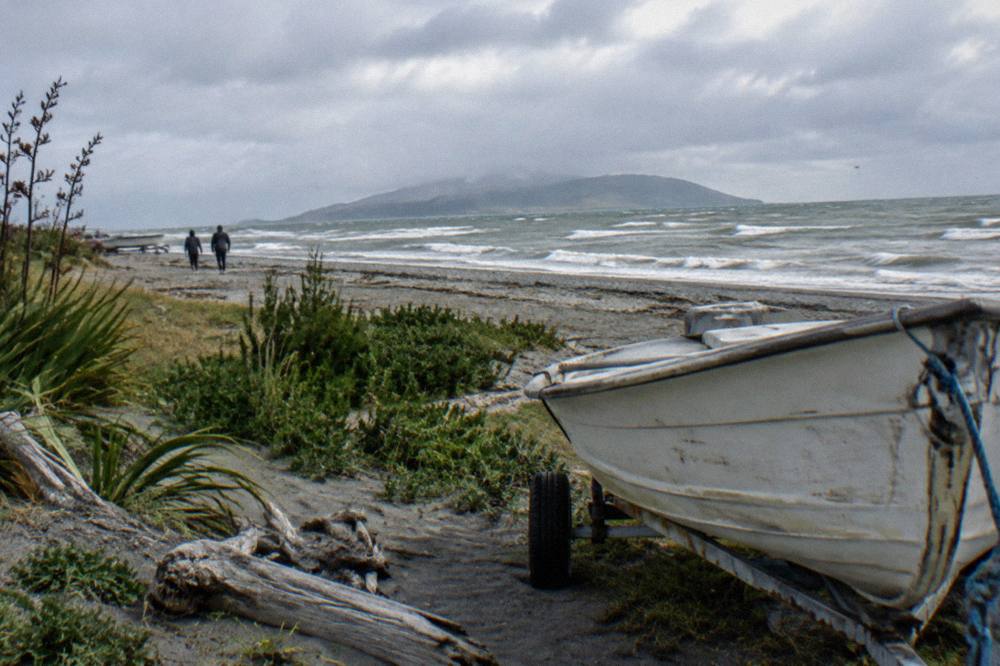
The marine dimension deserves as much attention as the land. The Kapiti Marine Reserve, established in 1992, covers 2,167 hectares in two protected areas between the Paraparaumu and Waikanae beaches and Kapiti Island, and within it no fishing of any kind is allowed, nothing may be taken or disturbed, and fish may not be fed. DOC names blue moki, kingfish, seals and dolphins among the animals in the reserve, and Hole-in-the-Wall as a dive spot. Anyone wanting to snorkel from the island's shores must travel there with a permit, and drone flights near marine mammals need authorisation. You can read more about the protected waters in the Kapiti Island marine reserve boat trip guide.
Who may land, at a glance:
| Visitor | May land on Kapiti Island? | How |
|---|---|---|
| Guest on a Kapiti Island Nature Tours trip | Yes | Permit included in the booking |
| Private boat owner | No | DOC bars private landings |
| Kayak or paddleboard paddler | No | DOC bars private landings |
| Swimmer | No | DOC bars private landings |
| Jet ski rider | No | DOC bars private landings |
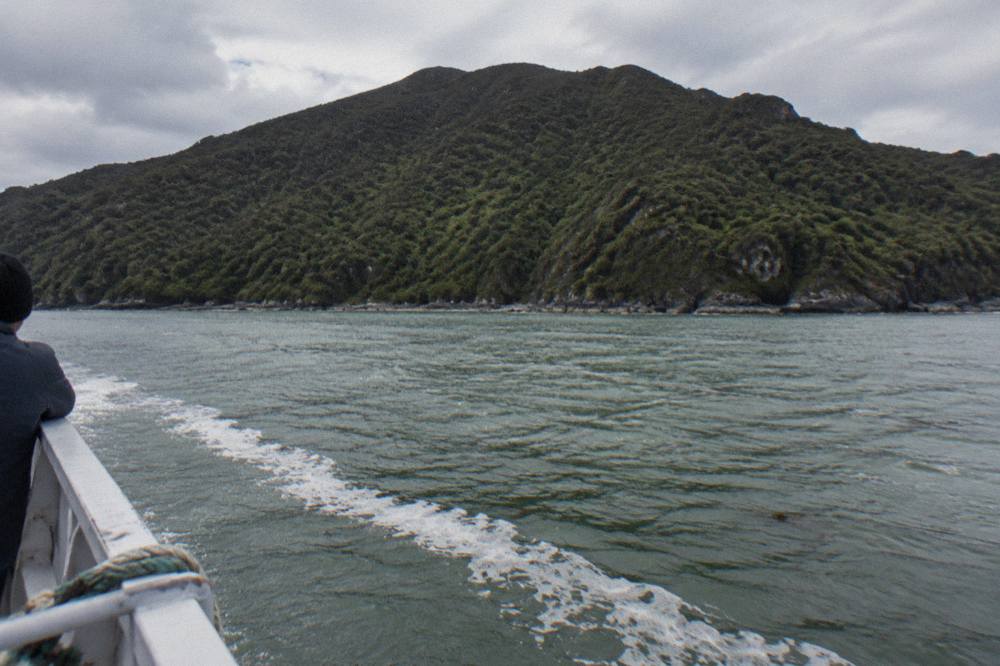
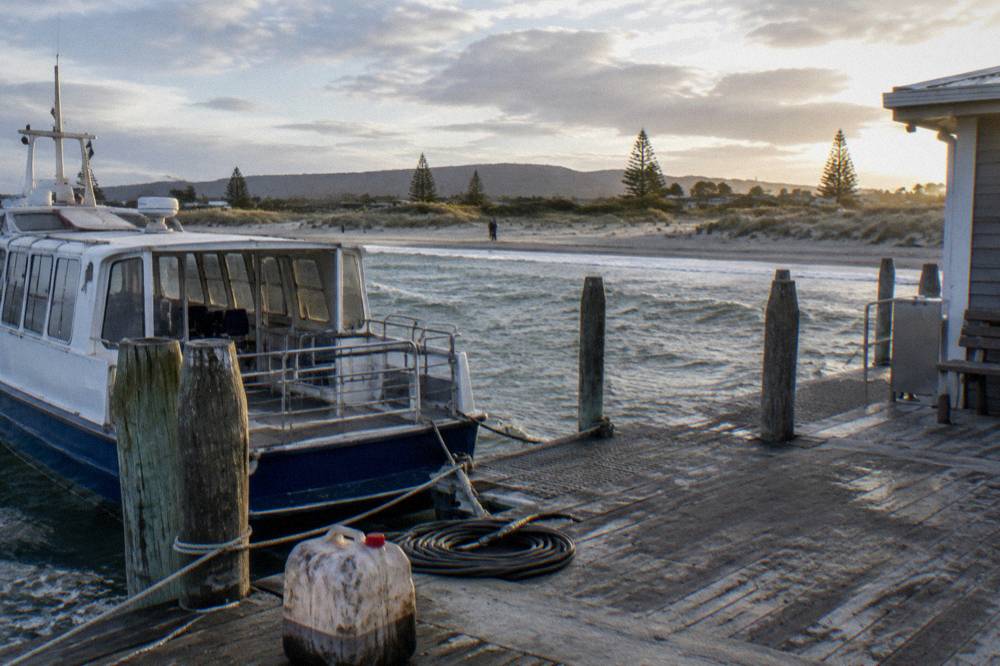
Boats leave from the Kapiti Boating Club at Paraparaumu Beach, roughly an hour north of Wellington by road, and the crossing takes about 15 to 20 minutes across the Rauoterangi Channel, according to the operator. Visitors can park at the Boating Club or in the carpark across the stream, and the operator lists a free public car park at the club. The Paraparaumu Beach boat departure guide covers the departure point in detail.
What Happens At The Biosecurity Check Before Boarding?
Bags are inspected and unpacked before boarding: DOC asks every visitor to check clothing, footwear and bags for pests, soil, seeds and plant material, keep food in sealed containers and leave open food bags behind. The operator adds that footwear and ground-contact gear should be cleaned within 48 hours of sailing, and a biosecurity team screens bags at check-in.
This is the part of the permit process most first-time visitors underestimate. The check at Paraparaumu Beach is not a formality; it is the mechanism that keeps the island mammal-free after the 1996 rat eradication. Practical preparation saves time and embarrassment at the jetty: brush out your boots and day pack the day before, shake your jacket, and pack any food in sealed containers rather than open packets. Open bags of food are not allowed on board, and DOC's guidance is blunt about the rest: no soil, no seeds, no plant material, and nothing that could carry a stowaway.
The rules continue on the island itself. DOC asks visitors to stay 10 m from animals, give wildlife right of way, keep to formed tracks, and pack out all rubbish including fruit pips and cores. Fires, portable cooking stoves, smoking and vaping are all prohibited, nothing may be taken off the island, wildlife must not be fed, and pets may not come at all. Drones need a permit. Weka and kaka, DOC warns, are inquisitive and expert at getting into bags, so keep belongings closed and out of reach. There is no shop on the island and nowhere to buy food, and all water on the island is untreated, so bring your own unless your trip includes meals.
| Biosecurity rule | What it means in practice |
|---|---|
| Bags unpacked and inspected | Every bag opens at check-in before boarding |
| Sealed food containers only | Open bags of food are not allowed |
| Clean footwear and gear | Clean within 48 hours of sailing, per the operator |
| No pests, soil, seeds or plant material | Check clothing, footwear and bags before you leave home |
| Biosecurity screening at check-in | A team screens bags before you board |
The what to bring on a Kapiti Island day trip guide builds a full packing list around these rules. DOC's island biosecurity guidance is published at the Department of Conservation website, and it is worth a read before you pack.
The overnight trip adds one quirk worth knowing. Cabins and glamping tents on the operator's private land at Waiorua Bay have solar lights and no power supply, and the operator asks for quiet clothing for kiwi spotting, because nylon and jandals can disturb kiwi. The operator is also clear that it cannot guarantee a kiwi sighting on the night walk, which looks for ruru, korora and kiwi pukupuku, so book the overnight for the experience of the island after dark rather than for a promised bird.
Where Do You Actually Land On Kapiti Island?
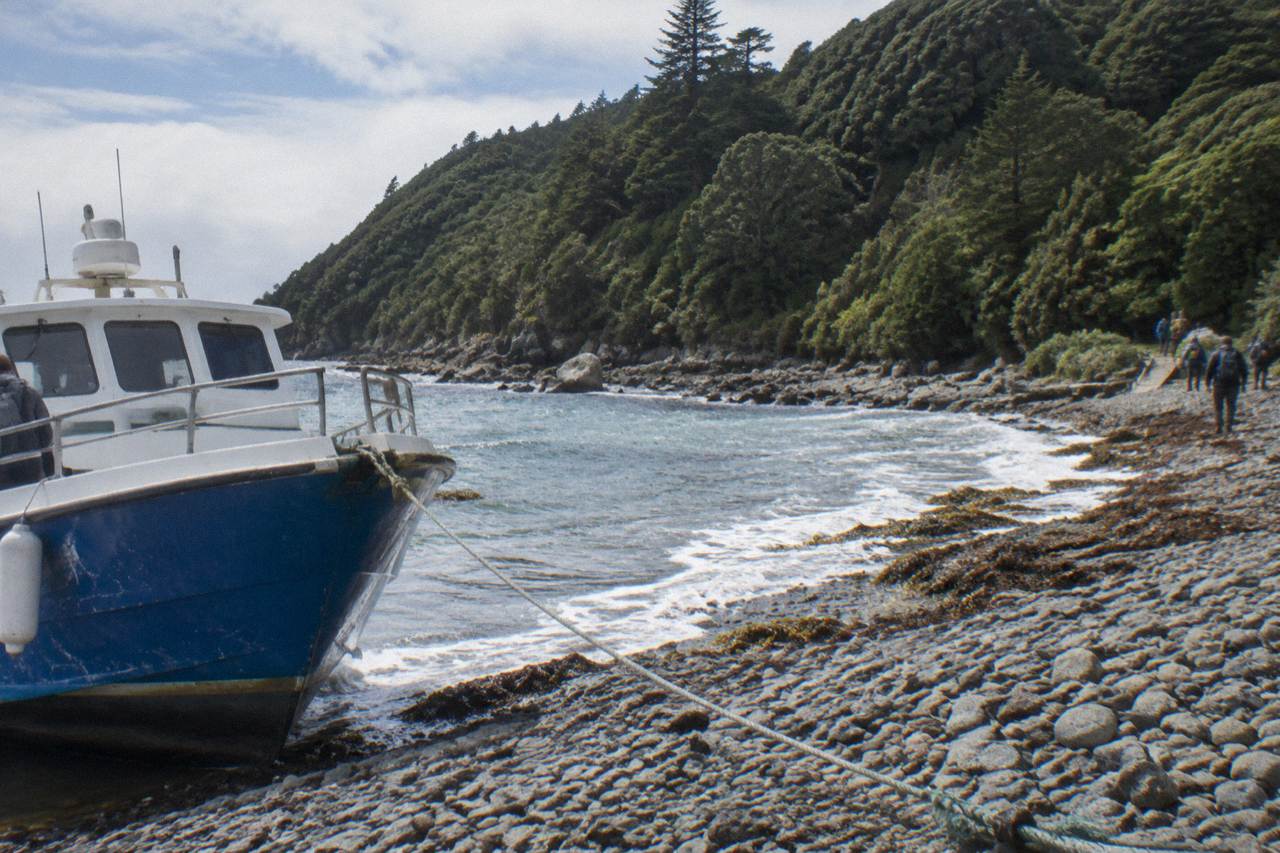
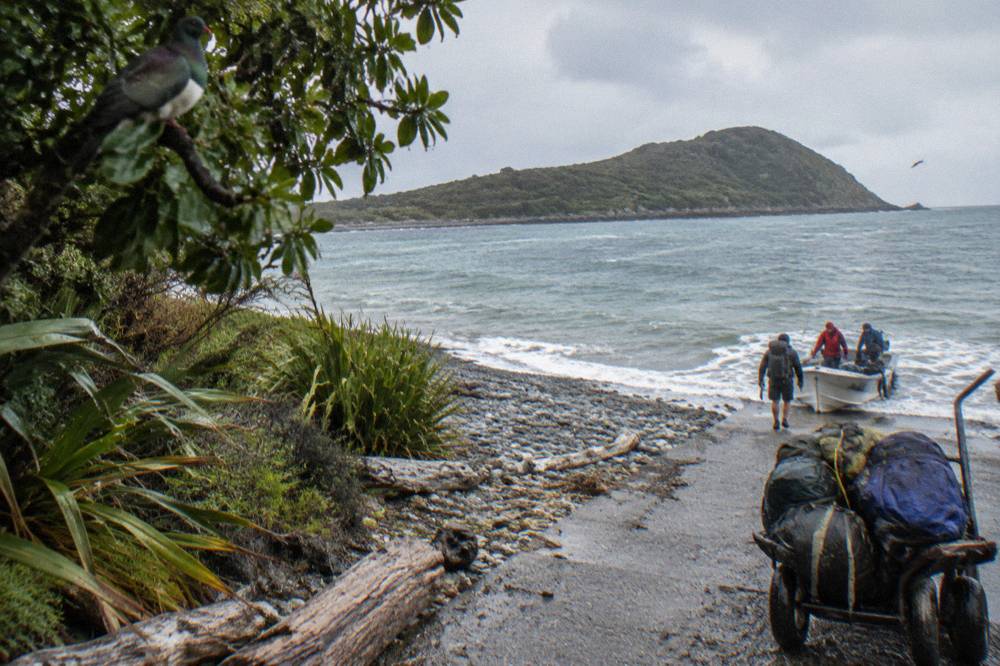
The landing is a stony beach reached by ramp, not a jetty or a wharf, so expect to step off onto stones and wear shoes that can handle an uneven surface. Tracks on the island are unpaved, the operator advises reasonable fitness, and the island is not wheelchair accessible, with prams hard to manage and a carrier advised for small children.
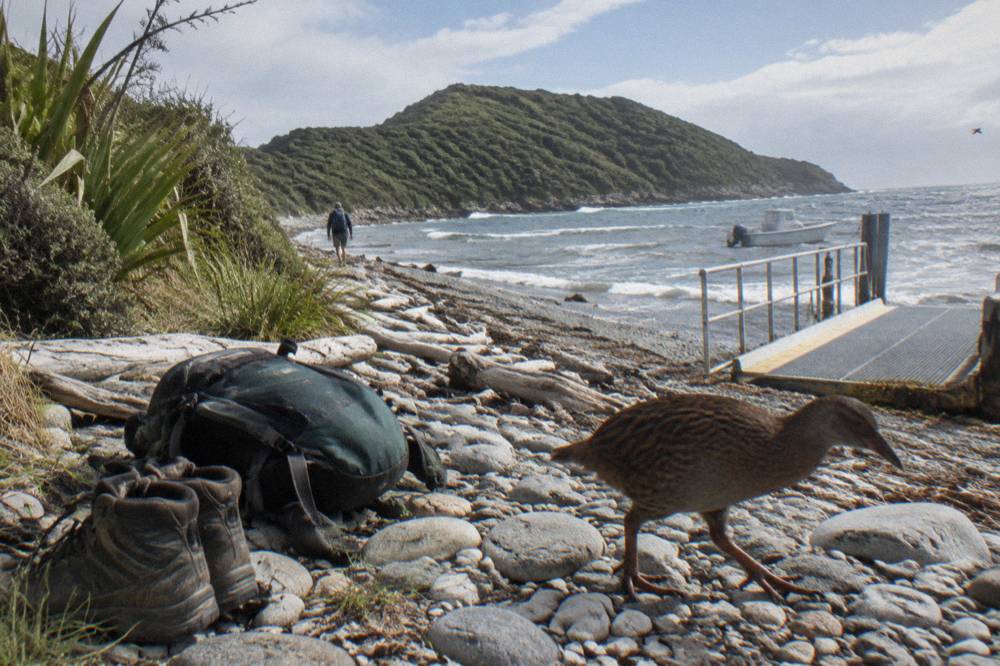
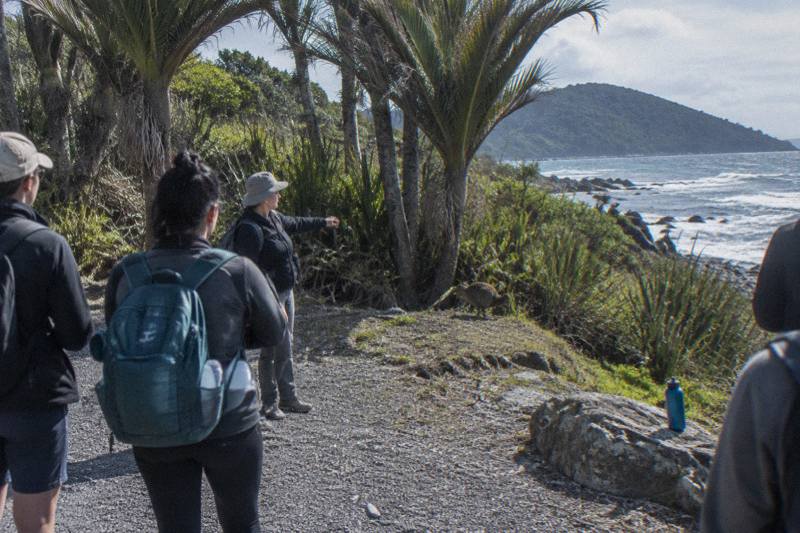
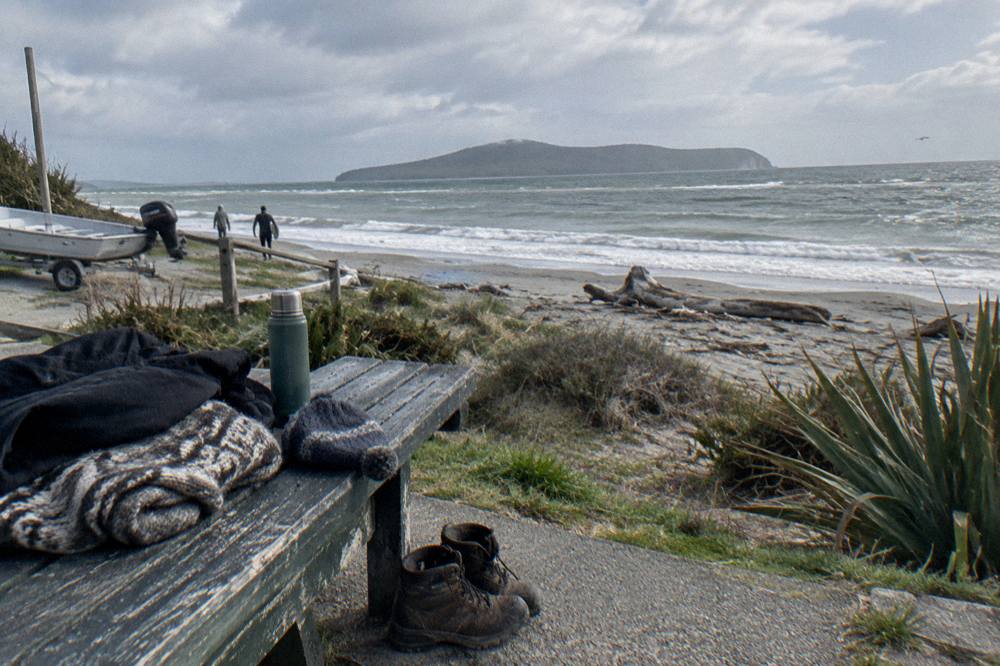
The physical reality of the landing shapes what you wear and carry more than most visitors expect. A stony beach landing means sandals are a poor choice, and a small day pack you can close tightly beats a tote bag a weka can open. From the landing, the two public areas of the island offer different experiences. Rangatira, halfway along the eastern shore, holds the Rangatira Loop Track, a 1.8 km loop DOC times at 1 hour 30 minutes, passing whaling trypots, a historic whare and a wetland boardwalk. The Whare, from the early 1860s, is the oldest building on Kapiti, and Richard Henry, caretaker from 1908, is described by DOC as the world's first state sponsored conservation officer.
The North End tracks, per DOC's brochure, include the Okupe Valley Loop, a gentle 4.8 km loop taking 1 hour 30 minutes to a 198 m lookout above the western cliffs with views over Okupe Lagoon, and the shorter Boulder Bank Loop, 2 km and 45 minutes, which closes from October to March for nesting seabirds. Facilities are basic by design: Rangatira has toilets, a public shelter and fresh drinking water at the visitor shelter, while Waiorua has toilets and a shelter but no fresh drinking water at the shelter. The Kapiti Island walks guide covers the track network in full.
| Track | Area | Distance | DOC time | Notes |
|---|---|---|---|---|
| Rangatira Loop Track | Rangatira | 1.8 km loop | 1 hour 30 minutes | Trypots, historic whare, wetland boardwalk |
| Wilkinson Track | Rangatira | 3.8 km one way | 2 hours | To the summit at Tuteremoana, 521 m |
| Trig Track | Rangatira | 2 km one way | 2 hours | Steeper, uphill direction only |
| Okupe Valley Loop | North End | 4.8 km loop | 1 hour 30 minutes | Gentle, to a 198 m lookout |
| Boulder Bank Loop | North End | 2 km loop | 45 minutes | Closed October to March for nesting seabirds |
One planning note that trips people up: it is not currently possible to walk from Rangatira to Waiorua, the operator says, so the area you land at is the area you explore on that trip. Choose your tour with that in mind rather than assuming you can wander the island end to end.
What Rules Apply Once You Are On The Island?
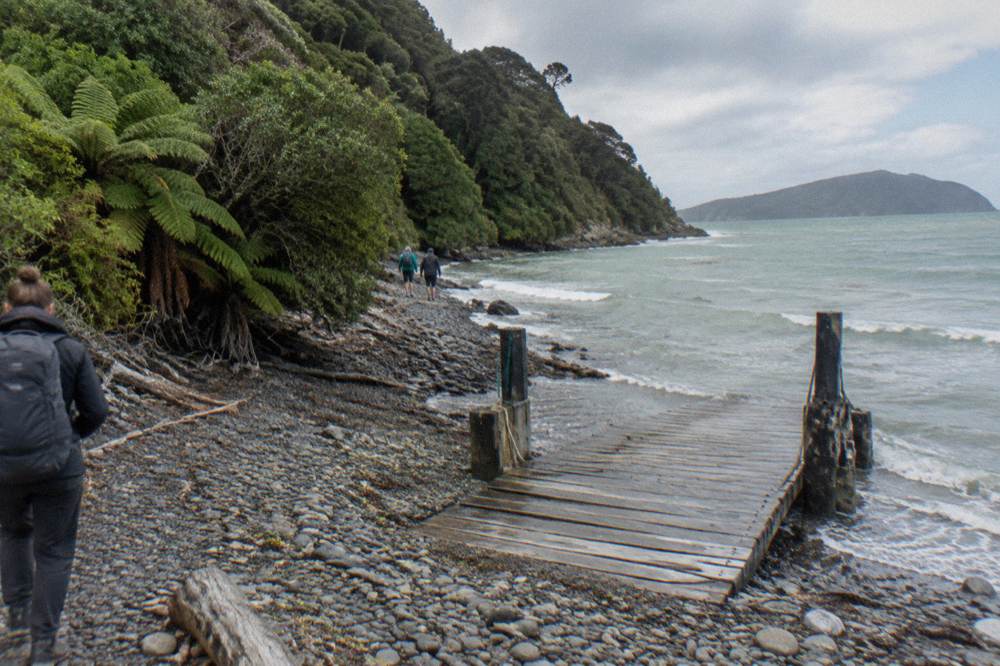
DOC's island rules are a single short list: stay 10 m from wildlife and give it right of way, keep to formed tracks, take all rubbish including fruit pips and cores off the island, and take nothing else at all. No fires, no portable cooking stoves, no smoking or vaping, no feeding wildlife, no pets, and drones only with a permit.
Each rule has a reason rooted in the island's ecology. Visitors are asked to keep 10 m from animals; saddlebacks, stitchbirds and takahe are often seen. The track rule protects regenerating vegetation and ground-nesting birds. The rubbish rule, down to fruit pips and cores, keeps introduced food sources off the island. Weka and kaka earn their own warning in DOC's guidance because both species will investigate an unattended bag.
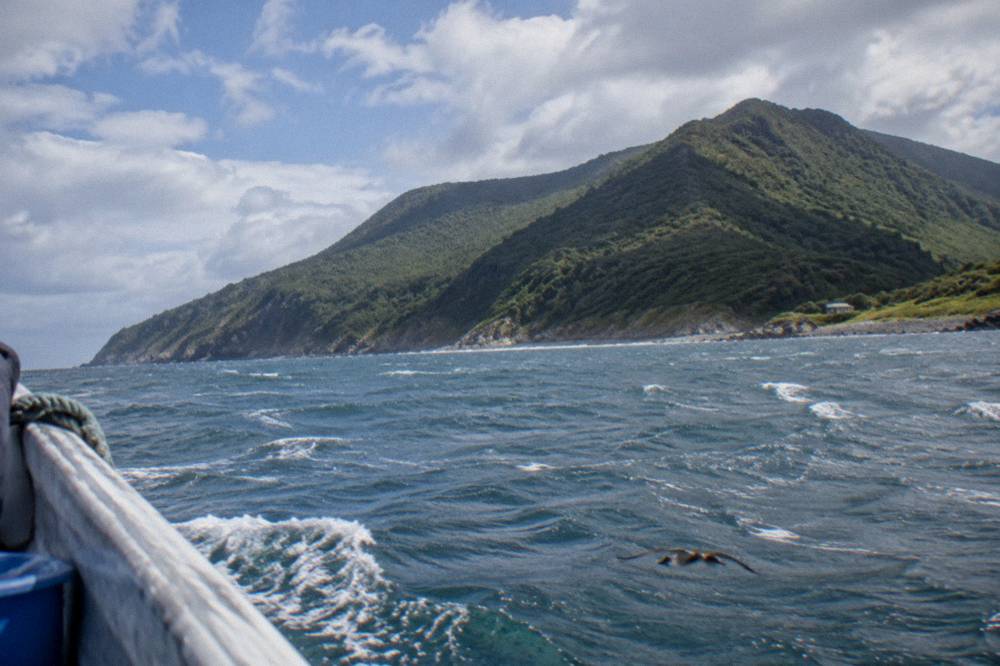
Birdlife on the crossing and the coast follows the same pattern of possibility without promise. DOC says gannets, fluttering shearwaters and little blue penguins are often seen from the boat, and that orca, seals and korora appear only "if you're really lucky". The Kapiti Island bird watching tour guide names the species DOC records on and around the island, and the operator's guided walks, like the 5-hour day tour's walk of about an hour, are built around the island's nature and history rather than a species checklist.
For visitors who want a guaranteed look at a kiwi, the honest answer is that no tour here promises one, on the island or off it. The nearest alternative is the Nga Manu Kiwi Night Encounter at Waikanae, from $56.90 per person for 1 hour 30 minutes, where guests get an informational session and are escorted at dusk to view a resident pair of North Island brown kiwi in a purpose-built habitat, with no photography and a maximum of 10 per group. That reserve visit is a different animal entirely from the wild little spotted kiwi on Kapiti, which DOC notes are extinct on the mainland.
What Does A Permitted Kapiti Island Trip Cost?
Day trips and day tours across this site run from $40.23 to $305 per person. The cheapest Kapiti Island trip is the 5-hour day tour at $186.78 per person with lunch included; the Wellington-return day tour is $305 per person; the overnight stay is $401.73 per person for 2 days and sits outside any price comparison because the accommodation tier changes its rate.
Those figures are per person, in USD, taken directly from each tour's own booking details. The pattern worth noticing is that the island trips sit at the top of the day-trip range because they include the ferry, the DOC permit, a guide and a meal, while the cheapest wildlife experiences on this site are the Zealandia walks in Karori, from $40.23 for the 2-hour day tour with a guide and a maximum of 12 per group. If the permit question has made an island trip look complicated or pricey, a Zealandia day tour is a well-reviewed native-bird alternative on the Wellington side, and the Kapiti Island tour or Zealandia tour guide compares them directly.
| Tour | Start point | Duration | From, per person |
|---|---|---|---|
| 5-Hour Day Tour, Meal Included | Paraparaumu Beach | 5 hours | $186.78 |
| 2 Days 1 Night, Meals Included | Paraparaumu Beach | 2 days, 1 night | $401.73 for 2 days |
| 6-Hour Day Tour, Wellington Pickup | Wellington shuttle | 6 hours | $305 |
| Zealandia Day Tour, Small Group | Karori | 2 hours | $40.23 |
| Nga Manu Kiwi Night Encounter | Waikanae | 1 hour 30 minutes | $56.90 |
Two practical notes on cost and commitment. Each island trip on this site can be cancelled for free up to 24 hours before the start for a full refund, a per-tour condition rather than a general site promise, so the permit-and-booking decision carries less risk than it might seem. And every tour requires a bit of schedule care: the operator's season runs 1 September to 30 June, with sailings usually daily from October to mid-May and Friday to Sunday in late May, June and September depending on demand, while the lodge closes between Christmas and New Year and the ferry runs day trips only in that window.
What Happens If Weather Cancels Your Landing?
The day tour and overnight from Paraparaumu Beach need good weather, and the skipper cancels for unsafe sea or weather, offering another date or a full refund. On the day-tour and overnight bookings, guests phone between 7 and 7:15 am to confirm the trip is going ahead, and in severe weather guests may have to stay extra time on the island at no extra charge.
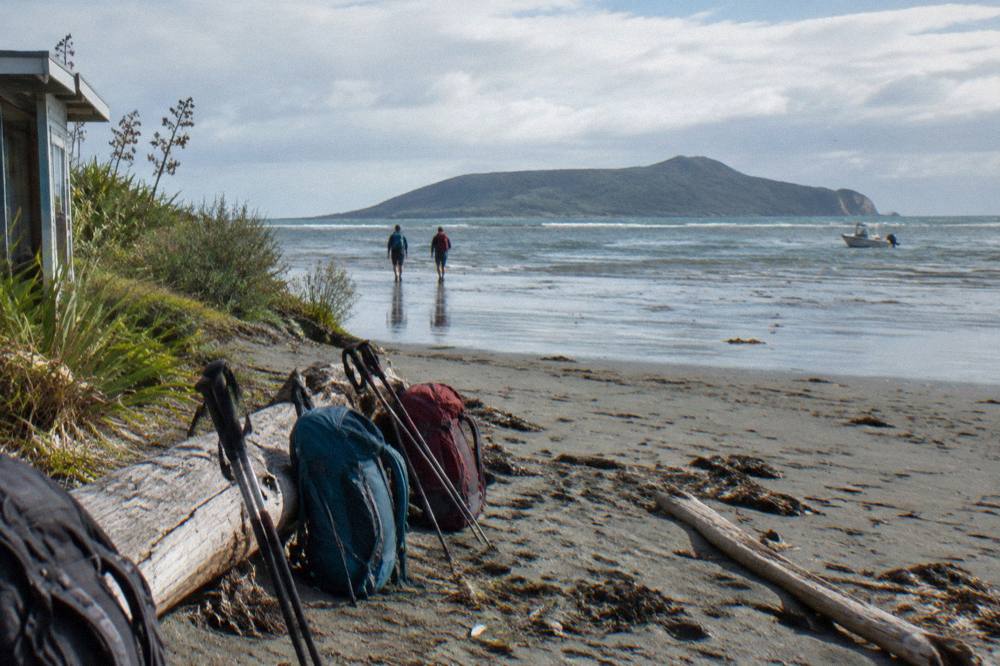
Weather is the one part of the permit-and-landing process no one controls. DOC advises contacting the operator on the morning of the trip for a weather check, and the operator's own guidance fills in the mechanics: the skipper makes the call, a cancellation means a different date or a full refund, and the severe-weather scenario can extend an overnight stay at no extra cost, a detail worth knowing before you book a tight itinerary. The Kapiti Island tour weather and cancellations guide works through every scenario.
The weather call is also why the confirmation phone call exists. Ferry departures fall in the morning and are confirmed at booking and by text the day before, so your phone is the single most useful object you carry on the morning of the trip, after your cleaned boots. Build a flexible morning into your plan: a backup cafe breakfast on the Kapiti Coast turns a cancelled sailing into a slow morning rather than a lost day, and the coast between Paraparaumu and Waikanae has enough to fill an unplanned day, as the things to do on the Kapiti Coast guide lays out.
The permit, in the end, is less paperwork than most visitors fear and more discipline than most expect. Booking a guided trip settles the permit in one step; the biosecurity check and island rules then ask for an hour of preparation and a day of care. The reward is a walk through one of New Zealand's largest accessible island bird sanctuaries, reached the only legal way there is.
Common Questions About Kapiti Island Permits And Landing
Do You Need A Permit To Land On Kapiti Island?
Yes. DOC requires every visitor to hold a permit to land, and access runs only through approved operators. Kapiti Island Nature Tours, the one DOC-listed concessionaire, includes the DOC permit in its trips, so booking a tour is the permit process.
Can You Visit Kapiti Island Without A Tour?
No. Private boats, kayaks, jetskis, paddleboards and swimmers may not land, and there is no self-guided ferry option. The only legal access is a guided trip with the approved operator, whose booking includes the permit, the ferry crossing and a guide on the island.
Is The Permit Fee Extra On A Kapiti Island Tour?
No. The operator includes the DOC permit in its trips. The 5-hour day tour is from $186.78 per person with lunch included, the Wellington-return day tour from $305 per person, and the overnight from $401.73 per person for 2 days, each as a single booking with no separate permit charge.
What Does The Biosecurity Check Involve Before Boarding?
Bags are inspected and unpacked before boarding. DOC asks visitors to check clothing, footwear and bags for pests, soil, seeds and plant material, keep food in sealed containers and leave open food bags behind. The operator asks that footwear and ground-contact gear be cleaned within 48 hours of sailing, and a biosecurity team screens bags at check-in.
Can Children Go On A Permitted Kapiti Island Tour?
Yes, children can join the island trips, and the tracks are unpaved with a carrier advised rather than a pram. Age and health terms for each tour sit on the booking page, so check them there before you book for a family. The Kapiti Island tour with children guide covers the practicalities in detail.
What Happens If The Boat Is Cancelled For Weather?
The day tour and overnight from Paraparaumu Beach need good weather, and the skipper cancels for unsafe sea or weather, offering another date or a full refund. Guests on the day tour and overnight bookings phone between 7 and 7:15 am on the day to confirm the trip is going ahead, and in severe weather guests may stay extra time on the island at no extra charge.