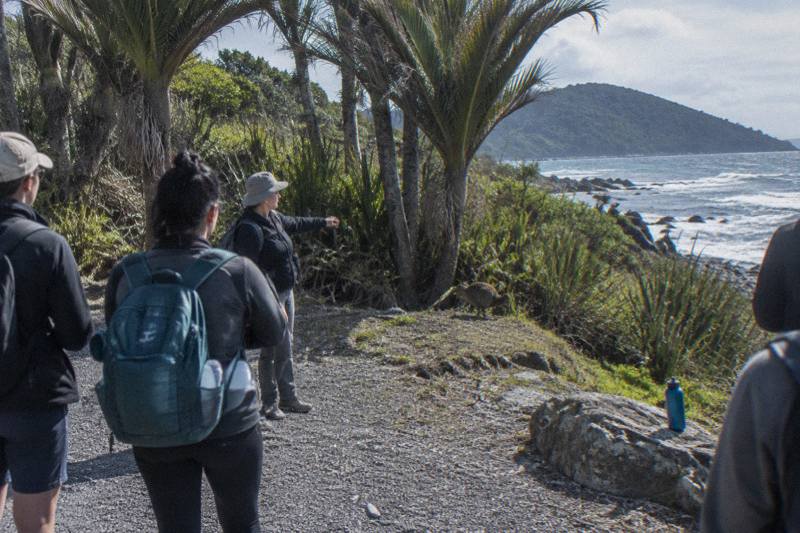
Do You Need A Permit To Visit Kapiti Island?
Yes, every visitor to Kapiti Island needs a permit to land, and private boats may not land at all. Here is how the permit system works and which tours include it.
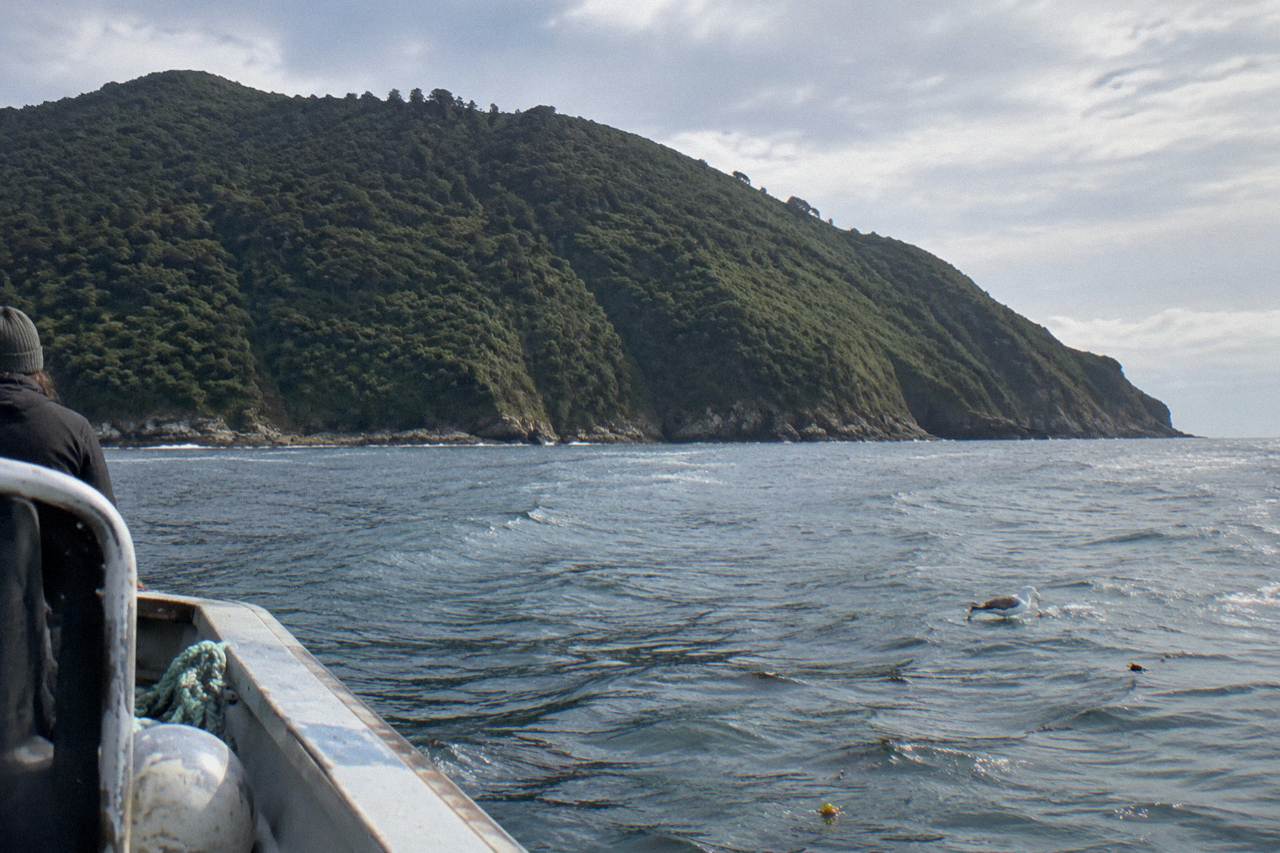
Yes. Kapiti Island is a predator-free DOC nature reserve, and no visitor may land without a permit. DOC lists one concessionaire, Kapiti Island Nature Tours, as the operator holding approval for transport, guided walks, overnight kiwi spotting tours and lodge accommodation, and the DOC permit is included in that operator's trips. You cannot turn up at the beach and buy a landing permit on the spot, and private boats may not land at all.
That single fact shapes almost everything about how a Kapiti Island visit works. The island, about 10 km long and 5 km off the coast, was reserved as a bird sanctuary in 1897 and is one of the largest accessible island sanctuaries in New Zealand. Because introduced mammals were eradicated, with DOC recording the removal of kiore and Norway rats by aerial drop in September and October 1996, the biosecurity rules around landing are strict and the visitor numbers are managed. The permit system is the mechanism DOC uses to keep it that way.
For a traveller, the practical version of the answer is simple: you book a tour with the approved operator, and the permit comes with it. The operator runs three trips featured on this site, all from one company rather than three rivals: a five-hour day tour from Paraparaumu Beach, a two-day one-night stay on the operator's private land at Waiorua Bay, and a six-hour day tour that shuttles from Wellington accommodation to the same beach. Each carries the permit within the booking. If you are weighing up which of those three fits your plans, the Kapiti Island tours compared guide breaks them down side by side.
- Zealandia Tours$40.23
- Kapiti Coast Nature Tours$56.90
- Wellington Seal Coast Tours$112.07
- Kapiti Island Tours$186.78
There is a common misunderstanding worth clearing up early. Some visitors assume the permit is a separate ticket you arrange yourself, the way you might book a hut or a campsite, and that the boat is just a ride. On Kapiti Island the two are bound together: DOC grants access through an approved operator, the operator's booking carries your permit, and the same operator's boat is how you get there. Private vessels, kayaks, jetskis, paddleboards and swimmers are all barred from landing, so there is no independent route onto the island even if you owned a boat.
The permits also exist to protect something rare. The island's wild kiwi are little spotted kiwi, a species extinct on the mainland, and species including hihi, kokako, takahe, brown teal and saddleback have been transferred to the island since the 1980s. DOC's rules on the island, from bag inspections to keeping 10 m from wildlife, all flow from the same protection regime the permit upholds. The rest of this page works through the sub-questions travellers actually ask: how the system works, whether a non-tour visit is possible, which trips include the permit, and what rules come attached to it.
How Does The Kapiti Island Permit System Work?
Access runs through DOC's concession system rather than a public permit office. DOC lists one concessionaire for the island, Kapiti Island Nature Tours, whose bookings include the DOC permit, and the operator's boats leave from the Kapiti Boating Club at Paraparaumu Beach, roughly an hour north of Wellington. Check-in happens at the operator's office on Marine Parade 20 to 40 minutes before sailing, and the crossing takes about 15 to 20 minutes across the Rauoterangi Channel.
The concession model matters because it answers the question behind the question. When people ask about a permit, they are usually asking whether they can visit independently, cheaply, or on their own schedule. On Kapiti Island the answer to all three is no. The operator holds the landing approval, the boats, and the permits together, and there is no separate channel for a self-guided landing. That is not a commercial quirk; it is how DOC controls both visitor numbers and biosecurity on a small island where a single seed or rodent could undo decades of eradication work.
The visitor split reinforces this. The island has two public areas, Rangatira halfway along the eastern shore and the North End, and overnight stays are not permitted within the nature reserve itself. Some of the island is private land, and it is on that private land at Waiorua Bay that the operator offers its lodge and homestay accommodation. The overnight trip sold on this site is therefore always a stay on the operator's private land at Waiorua, never a night inside the DOC reserve. A DOC brochure also caps day visitors, at 100 a day at Rangatira and 60 at the North End, which is one reason booking ahead matters.
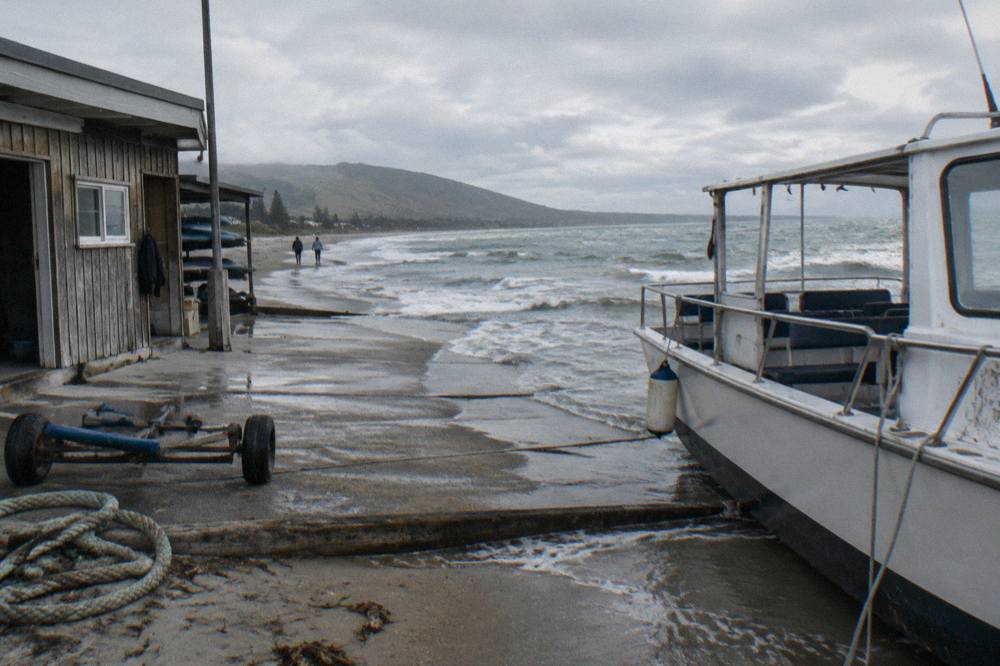
What the permit covers, in practice, is your landing, your time in the reserve's public areas, and travel with the approved operator. What it does not do is loosen the island rules. Bags are inspected and unpacked before boarding, and DOC asks visitors to check clothing, footwear and bags for pests, soil, seeds and plant material, keep food in sealed containers, and leave open bags of food behind. The operator adds its own layer: clean your footwear and ground-contact gear within 48 hours of sailing, and expect a biosecurity screening at check-in.
The season is bounded too. The operator's season runs 1 September to 30 June, with sailings usually daily from October to mid-May and Friday to Sunday in the quieter shoulder months depending on demand. Ferry departures fall in the morning and are confirmed at booking and by text the day before. If you want the full logistics picture, including parking at the Boating Club and what to pack, the what to bring on a Kapiti Island day trip guide covers it in detail.
Can You Visit Kapiti Island Without A Tour?
No. There is no permit-only route onto Kapiti Island: private boats may not land, and DOC's approved operator carries every visitor. Even the overnight stay is on the operator's private land at Waiorua Bay rather than an independent campsite, and the two public areas of the reserve are reached on the operator's ferry. Independent landings by kayak, jetski, paddleboard or swimming are all prohibited.
This is the part that surprises visitors who have done other New Zealand islands. On some islands you can charter a boat or land a kayak with a bookings-office permit. Kapiti Island is managed more tightly because the reserve is small, the pest-free status is everything, and the recovery of species like takahe and saddleback depends on it staying that way. DOC's framing is blunt: the island is reached only with approved tour operators, and everyone else stays on the water.
Viewing from the water is genuinely the only non-landing option, and it is not a poor one. The Kapiti Marine Reserve, established in 1992 and covering 2,167 ha in two protected areas between the Paraparaumu and Waikanae beaches and the island, sits around the ferry's route. DOC names blue moki, kingfish, seals and dolphins in the reserve, and on the boat trip gannets, fluttering shearwaters and little blue penguins are often seen. Orca, seals and korora appear, in DOC's words, only "if you're really lucky". No fishing of any kind is allowed in the reserve, you may take or disturb nothing, and you may not feed fish. To snorkel from the island's shores you must travel there with a permit, which in practice means with the operator.
For visitors who want wildlife without the island crossing at all, this site covers mainland options that need no permit: Zealandia's three tours in Karori and the Nga Manu reserve at Waikanae, both compared against the island in the Kapiti Island tour or Zealandia tour guide. But if the island itself is the goal, the operator's trips are the door, and there is no way around it.
Which Island Trips Include The Permit?
Guided tours include the DOC permit, and it appears among the inclusions on the day tour and overnight booking pages: the five-hour Classic Guided Day Tour from $186.78 per person, the 2-day, 1-night overnight experience from $401.73 per person, and the six-hour Wellington-return day tour from $305 per person. Each starts from Paraparaumu Beach, and the third adds a shuttle from Wellington accommodation.
Because the three trips are one operator's products rather than three companies competing, the differences between them are format differences, not permit differences. The five-hour day tour is the most reviewed trip on this site, rated 4.8 across 576 reviews, starting at Paraparaumu Beach at 08:45 with lunch at the lodge included and a guided nature and history walk of about an hour. Hotel pickup is excluded; you make your own way to the coast. Other pages covering the same trip are gathered on Kapiti Island Tours.
| Trip | Duration | Starts at | Price basis | Meals |
|---|---|---|---|---|
| 5-Hour Day Tour, Meal Included | 5 hours | Paraparaumu Beach | from $186.78 per person | lunch |
| 2 Days 1 Night, Meals Included | 2 days, 1 night | Paraparaumu Beach | from $401.73 per person for 2 days | dinner, breakfast, 2 lunches |
| 6-Hour Day Tour, Wellington Pickup | 6 hours | Wellington accommodation shuttle | from $305 per person | cooked lunch |
The overnight trip is the one to choose if the night walk is the point. It runs a guided night walk looking for ruru, korora and kiwi pukupuku, with the operator clear that it cannot guarantee a kiwi sighting. Accommodation is on the operator's private land at Waiorua Bay, in a cabin, tent or ensuite room, each with its own rate, and the trip is capped at 18 guests. It is rated 4.9 across 484 reviews. The operator asks for quiet clothing on the night walk, since nylon and jandals can disturb kiwi, and cabins and glamping tents have solar lights and no power supply.
The Wellington-return day tour suits visitors staying in the capital who would rather not drive. A shuttle from Wellington accommodation is part of this trip, and the ferry then runs to Waiorua Bay on Kapiti Island for a guided day with a cooked lunch included. It has 7 reviews so far. All three trips allow free cancellation up to 24 hours before the start for a full refund, and the two Paraparaumu-based trips need good weather, with a different date or a full refund if the skipper cancels. More on timing is in the do you need to book a Kapiti Island tour in advance post.
What Rules Come With Your Kapiti Island Permit?
The permit grants landing, not licence: DOC's island rules apply to every visitor and are enforced at check-in and on the island. Keep 10 m from animals, give wildlife right of way, stay on formed tracks, pack out all rubbish, and do not feed wildlife or take anything off the island. Bags are inspected before boarding, and open bags of food are not allowed.
The full rule set is longer than most visitors expect, and it exists because the island's pest-free status is a live achievement rather than a historical one. No fires and no portable cooking stoves, no smoking or vaping, no pets, and drones need a permit. Even fruit pips and cores count as rubbish you must carry out. Weka and kaka are inquisitive and expert at getting into bags, so belongings stay out of reach. These are not suggestions; the biosecurity team screens bags at check-in.
| Rule area | What DOC requires |
|---|---|
| Biosecurity | Bags inspected and unpacked; no pests, soil, seeds or plant material; food in sealed containers |
| Wildlife | Keep 10 m from animals; wildlife has right of way; do not feed |
| Tracks | Keep to formed tracks; tracks are unpaved and reasonable fitness is needed |
| Rubbish | Pack out everything, including fruit pips and cores |
| Prohibitions | No fires or stoves, no smoking or vaping, no pets, no taking anything from the island |
Access realities are worth planning around too. The landing is a stony beach reached by ramp, the island is not wheelchair accessible, and prams are hard to manage, with a carrier advised. There is no shop and nowhere to buy food on the island, so bring your own unless your trip includes meals. Rangatira has toilets, a public shelter and fresh drinking water at the visitor shelter; Waiorua has toilets and a shelter but no fresh drinking water there, and DOC advises that all water on the island is untreated, so bring your own.
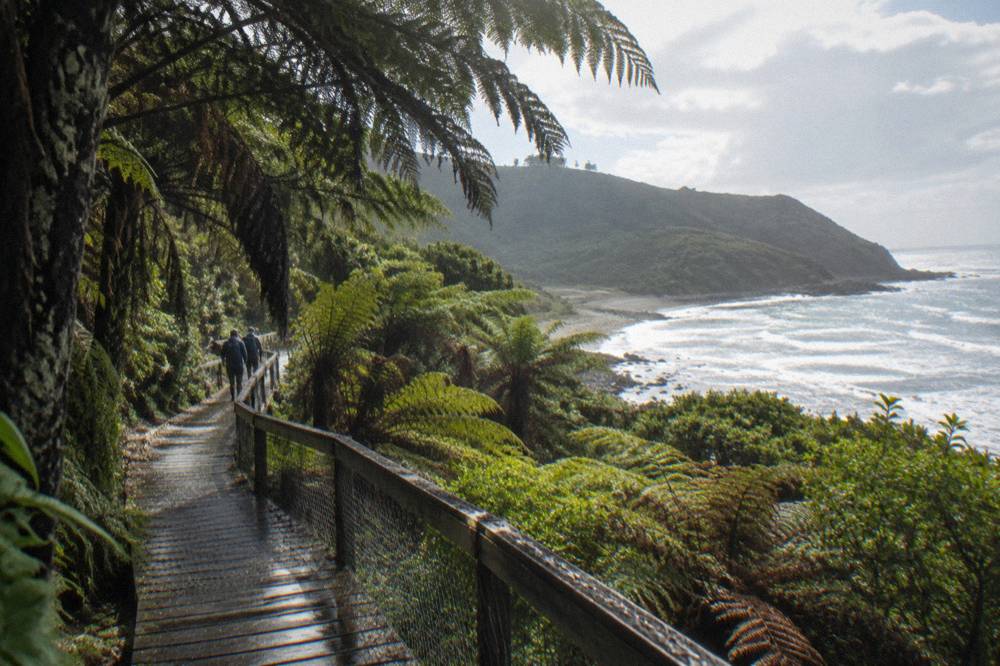
The tracks themselves are modest but real. The Rangatira Loop Track is a 1 hour 30 minute, 1.8 km loop past whaling trypots, a historic whare and a wetland boardwalk. The Wilkinson Track climbs 3.8 km one way over 2 hours to the summit at Tuteremoana, with a picnic area and hihi feeding station a third of the way up. The Trig Track is steeper and uphill only. At the North End, the Okupe Valley Loop is a gentle 1 hour 30 minute, 4.8 km loop to a lookout above the western cliffs, while the Boulder Bank Loop, 45 minutes and 2 km, closes from October to March for nesting seabirds. The Kapiti Island walks guide maps these out.
What Happens If Weather Cancels Your Permitted Trip?
Weather, not paperwork, is the usual reason a Kapiti Island plan changes. The day tour and overnight trips need good weather, and the skipper cancels for unsafe sea or weather, offering another date or a full refund; both booking pages ask guests to phone between 7 and 7:15 am on the day to confirm. In severe weather, guests may have to stay extra time at no extra charge.
Because the crossing is short, about 15 to 20 minutes, visitors sometimes assume the sea state hardly matters. The Rauoterangi Channel can still be unsafe, and the operator's call is final on the day. DOC's advice is to contact the operator on the morning of the trip for a weather check and to confirm departure. Free cancellation up to 24 hours before the start applies to all ten tours on this site, each on its own terms rather than as a blanket policy.
One nuance separates the island trips from the mainland wildlife tours. The three Zealandia tours operate in all weather conditions and simply ask you to dress for it, so a wet Wellington day does not cancel them. The day tour and overnight from Paraparaumu Beach, and the Seal Coast Safari, depend on good weather instead; if bad weather cancels a trip, you get a different date or a full refund. If your itinerary has no flex days, that difference matters when you choose which to book. The Kapiti Island tour weather and cancellations guide works through the scenarios.
Planning Your Permitted Visit Around The Season
The operator's season runs 1 September to 30 June, with sailings usually daily from October to mid-May and Friday to Sunday in the shoulder months, so permit-carrying trips simply do not run in July and August. The lodge closes between Christmas and New Year while the ferry runs day trips only. Booking a date inside that window, and holding a flex day for weather, is the practical way to use the permit system well.
The best time to visit Kapiti Island guide weighs the seasons month by month.
For families, ages sit on the booking pages rather than in a blanket policy: this site's tours state minimum ages only on the Zealandia twilight tour, at 5, and the Zealandia night tour, at 12. The island's unpaved tracks and stony beach landing shape what works with small children, and the Kapiti Island tour with children guide covers it honestly. The operator asks for moderate fitness on the overnight booking, and reasonable fitness generally, given the terrain.
Decide early, book the format that fits, and let the permit arrive inside it.
Common Questions About Kapiti Island Permits
Do You Need A Permit To Visit Kapiti Island?
Yes. Kapiti Island is a predator-free DOC nature reserve and no visitor may land without a permit. DOC lists one concessionaire, Kapiti Island Nature Tours, and the permit is included in that operator's trips. Private boats may not land, so there is no independent route onto the island.
Can I Buy A Kapiti Island Permit Separately?
No. The permit comes bundled with the operator's booking rather than sold on its own. The three island trips, the five-hour day tour, the overnight stay on private land at Waiorua Bay, and the Wellington-return day tour, are all run by one operator, and every guided tour includes the DOC permit.
Is There A Fee For The Kapiti Island Permit?
The permit is included within the operator's trip prices, from $186.78 per person for the five-hour day tour.
Can I Take My Own Boat Or Kayak To Kapiti Island?
No. Private boats, kayaks, jetskis, paddleboards and swimmers may not land on Kapiti Island. The reserve is reached only with the approved operator, whose boats leave from the Kapiti Boating Club at Paraparaumu Beach.
Does The Permit Let Me Stay Overnight On The Island?
Overnight stays are not permitted within the nature reserve. The overnight trip stays on the operator's private land at Waiorua Bay, in a cabin, tent or ensuite room, each with its own rate, from $401.73 per person for 2 days.
What Does The Permit Require Me To Do?
Follow DOC's island rules: bags are inspected before boarding, food stays in sealed containers, keep 10 m from wildlife, stay on formed tracks, and pack out all rubbish. The operator also asks for clean footwear and ground-contact gear within 48 hours of sailing.