Is Kapiti Island Worth Visiting?
An honest assessment of whether Kapiti Island is worth the trip, with real prices, durations, wildlife facts and fitness caveats.
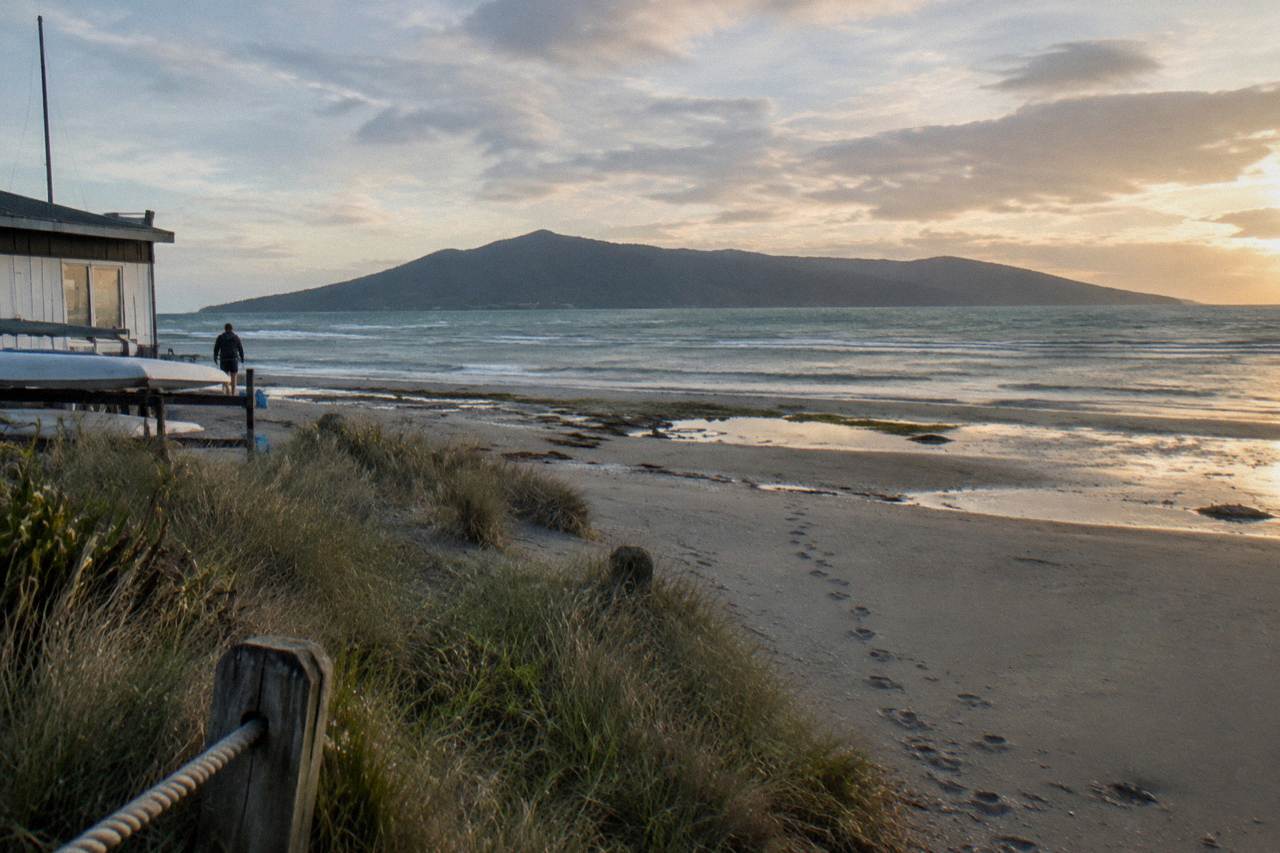
Kapiti Island sits 5 km off the west coast of the lower North Island, a 1,965 ha predator-free nature reserve where private boats may not land and every visitor arrives with an approved operator. DOC calls it one of the largest accessible island bird sanctuaries in New Zealand, and that status is the honest core of the worth-it question: what you are buying is a guided entry into a closed ecosystem, not a beach day. This page weighs the real figures, from a $186.78 day tour to a $401.73 overnight on private land, against the fitness, weather and logistics caveats that decide whether the island earns its fare for you.
Yes, for most travellers who want native forest and rare birds in one contained day, Kapiti Island is worth the fare: the 5-hour day tour costs from $186.78 per person with lunch, the ferry and a guided walk included, and it is the most reviewed of the Kapiti Island trips at 4.8 across 576 reviews. The honest caveats are unpaved tracks, a stony beach landing, weather-dependent sailings and no guaranteed sighting of any bird.
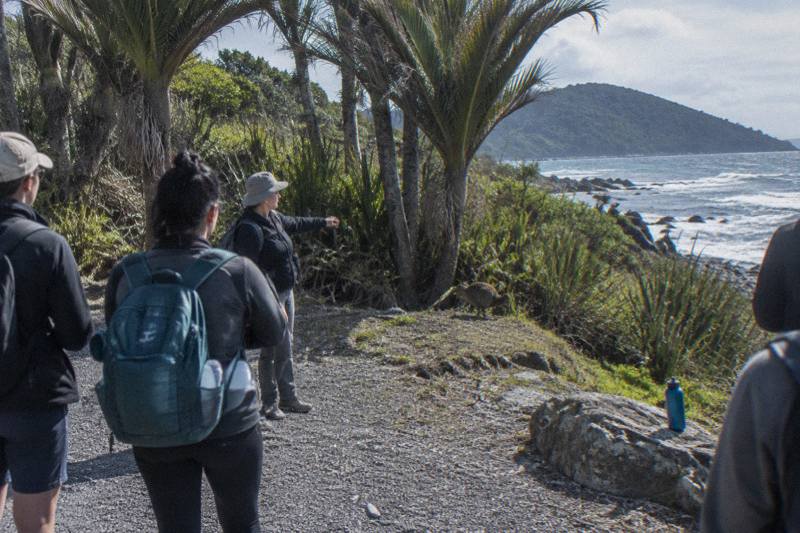
The case for the island rests on what DOC has built there. Reserved as a bird sanctuary in 1897, with rats eradicated by aerial drop in September and October 1996, the island hosts species that have vanished or faded on the mainland. Hihi, kokako, takahe, brown teal and saddleback have been transferred since the 1980s, and DOC names kereru, kaka, weka, tui, bellbird, North Island robin and whitehead among the resident birds. Gannets, fluttering shearwaters and little blue penguins are often seen on the boat trip, DOC says, while orca, seals and korora appear only "if you're really lucky."
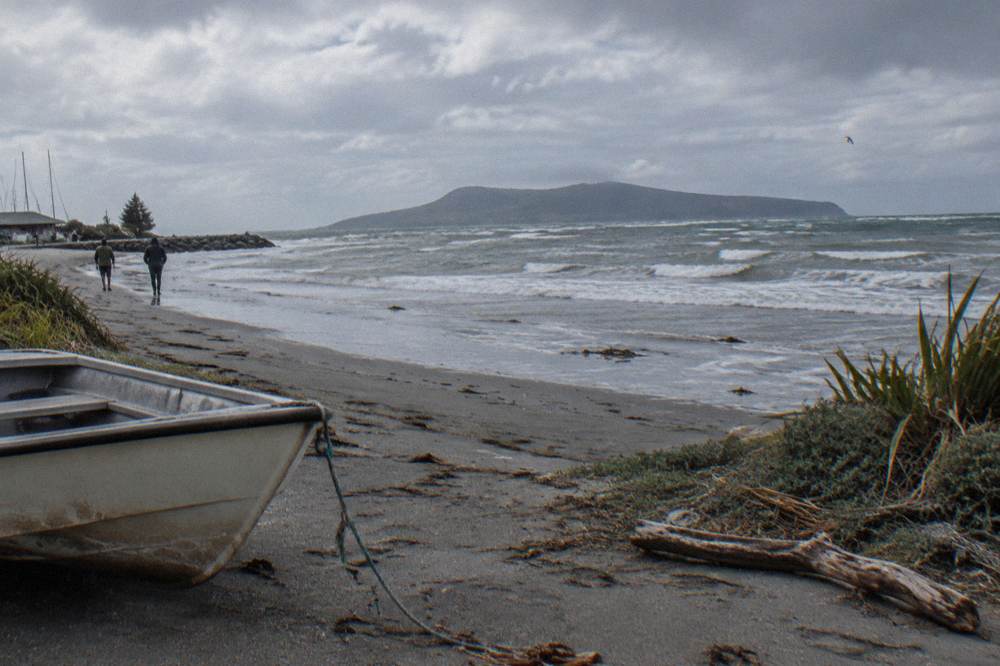
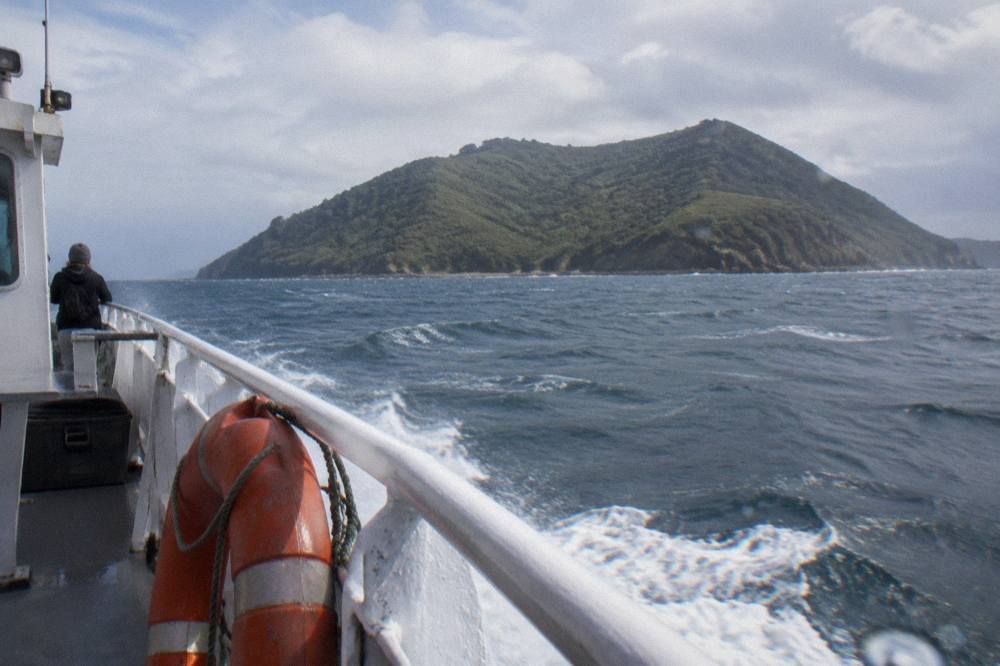
That is a genuinely unusual concentration for a day trip from Wellington, roughly an hour north by road to the boat departure at Paraparaumu Beach. The crossing itself takes about 15 to 20 minutes, the operator says, across the Rauoterangi Channel. Against that stands the practical side: you cannot land independently, the island is not wheelchair accessible, there is no shop or anywhere to buy food, and the skipper cancels for unsafe sea or weather.
For a fuller comparison of the three ways to visit the island with the one DOC-listed operator, see the site's Kapiti Island tours compared guide, and for the wider context read why Kapiti Island is known for birds.
What Does A Kapiti Island Day Tour Actually Include?
The 5-hour Classic Guided Day Tour, from $186.78 per person, includes the ferry to Kapiti Island, an introductory talk, a guided nature and history walk of about 1 hour, and lunch at the lodge. It starts at 08:45 at Paraparaumu Beach, with check-in at the operator office on Marine Parade, and hotel pickup is excluded.
That is the whole shape of the day: check in 20 to 40 minutes before sailing, cross the channel, land by ramp on a stony beach, and spend the middle of the day on the island with a guide before the return ferry. The guided walk is the interpretive heart of the trip. The DOC permit is included in the operator's trips, so there is no separate paperwork for you to arrange.
- Zealandia Tours$40.23
- Kapiti Coast Nature Tours$56.90
- Wellington Seal Coast Tours$112.07
- Kapiti Island Tours$186.78
Two practical points are worth knowing before you book. First, the two Kapiti Island Nature Tours booking pages ask guests to phone between 7 and 7:15 am on the day to confirm the tour is going ahead, which matters in changeable weather. Second, lunch at the lodge matters more than it sounds, because the island has no shop, nowhere to buy food, and DOC advises bringing your own water since all water on the island is untreated.
A good companion read is the site's guide to what to bring on a Kapiti Island day trip, which works through biosecurity packing rules in detail. You can also check availability on the booking page.
How Much Does It Cost To Visit Kapiti Island?
Day trips and day tours on this site run from $40.23 to $305 per person, with the cheapest Kapiti Island trip at $186.78 per person for the 5-hour day tour. A Wellington-return variant with shuttle is $305 per person, and the overnight experience is $401.73 per person for 2 days. All figures are USD from-prices per person.
Within the island category itself there are only three trips, all from one operator, Kapiti Island Nature Tours, the only DOC-listed concessionaire for the island. The price table below shows the three island trips beside the other wildlife options near Wellington, so the worth-it question can be answered with real numbers rather than impressions.
| Tour | Category | From price (USD, per person) | Duration | Reviews |
|---|---|---|---|---|
| Zealandia Day Tour, Small Group | Zealandia | $40.23 | 2 hours | 4.8 across 248 |
| Nga Manu Kiwi Night Encounter | Kapiti Coast nature | $56.90 | 1 hour 30 minutes | 6 reviews |
| Zealandia Twilight Tour | Zealandia | $63.22 | 2 hours 30 minutes | 4.8 across 79 |
| Zealandia Night Tour, Small Group | Zealandia | $68.97 | 2 hours 30 minutes | 4.8 across 162 |
| Seal Coast Safari | Wellington seal coast | $112.07 | 3 hours 30 minutes | 4.9 across 372 |
| 5-Hour Day Tour, Meal Included | Kapiti Island | $186.78 | 5 hours | 4.8 across 576 |
| Full-Day Private Coast Tour | Kapiti Coast nature | $206.90 | about 7 hours | 10 reviews |
| 8-Hour Private Scenic Tour | Kapiti Coast nature | $285.63 | 7 to 8 hours | 14 reviews |
| 6-Hour Day Tour, Wellington Pickup | Kapiti Island | $305.00 | 6 hours | 7 reviews |
| 2 Days 1 Night, Meals Included (overnight) | Kapiti Island | $401.73 per person for 2 days | 2 days, 1 night | 4.9 across 484 |
Free cancellation up to 24 hours before the start applies to all 10 tours. The Wellington-return day tour is a variant of the classic day trip rather than a rival product: it adds a shuttle from your Wellington accommodation to Paraparaumu Beach, a cooked lunch, and the ferry to Waiorua Bay, in a 6-hour total.
The overnight trip deserves its own framing. It is $401.73 per person for 2 days, and that price sits off every price comparison because the accommodation tier, cabin, tent or ensuite, changes the rate. DOC does not permit overnight stays within the nature reserve, so the night is spent on the operator's private land at Waiorua Bay, never inside the reserve itself.
What Wildlife Can You Actually See On Kapiti Island?
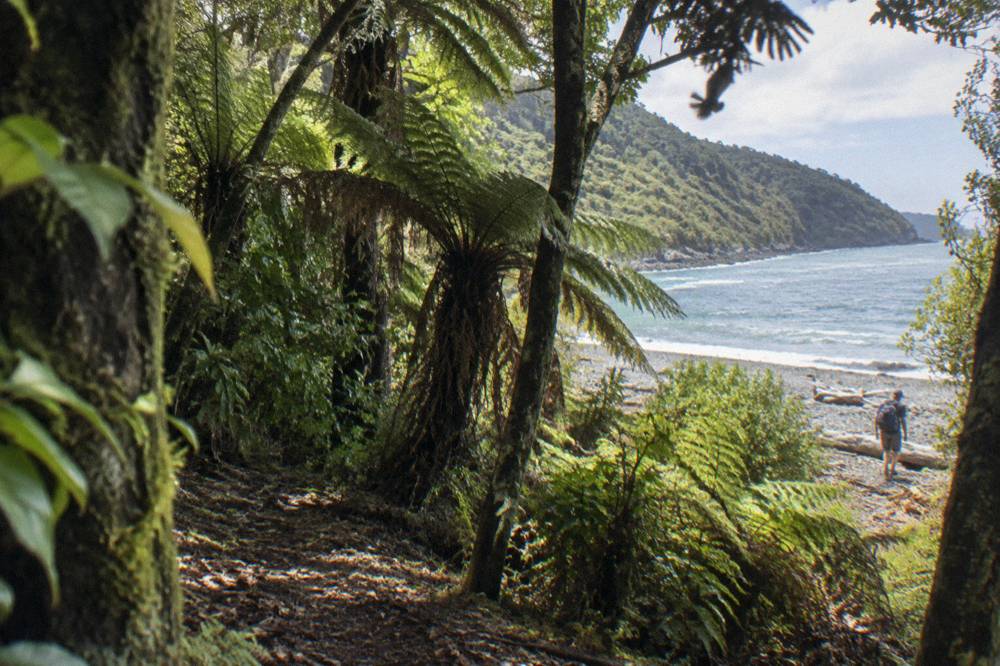
DOC names saddlebacks, stitchbirds and takahe as often seen on Kapiti Island, alongside kaka, kereru, weka, tui, bellbird and North Island robin. On the crossing, gannets, fluttering shearwaters and little blue penguins are often seen, DOC says, while orca, seals and korora appear only if you are really lucky. No operator promises any sighting.
The operator itself says it cannot guarantee a kiwi sighting, and the wild kiwi on Kapiti are little spotted kiwi, a species extinct on the mainland. The overnight trip includes a guided night walk looking for ruru, korora and kiwi pukupuku, framed as a search, not a certainty. The operator asks for quiet clothing on that walk, because nylon and jandals can disturb kiwi, and the cabins have solar lights and no power supply.
The island's bird list rewards patience more than pace. DOC's species records for the coast add gulls, white-fronted terns, variable oystercatchers, reef herons and shags, and the Okupe Lagoon at the north end draws scaup, grey and brown teal, black swans and royal spoonbills. Long-tailed cuckoo appear in summer only. Weka and kaka are inquisitive and expert at getting into bags, which is why DOC's island rules ask you to keep belongings out of reach.
For readers deciding between the island and a mainland sanctuary, the site's comparison of a Kapiti Island tour or a Zealandia tour works through the trade-offs, and where to see kiwi birds in New Zealand covers the wider kiwi question. Full island rules are on the DOC Kapiti Island Nature Reserve page.
Is The Walking Difficult On Kapiti Island?
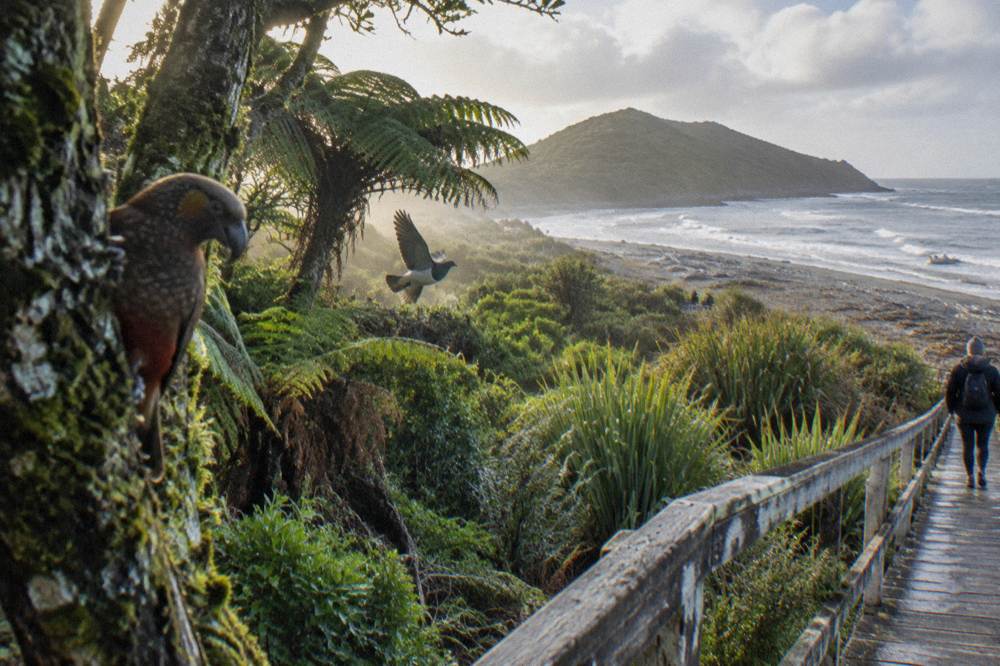
The tracks on Kapiti Island are unpaved and need reasonable fitness, the operator says, the landing is a stony beach reached by ramp, and the island is not wheelchair accessible. The Rangatira Loop Track is a 1 hour 30 minute, 1.8 km loop per DOC, while the Wilkinson Track to the 521 m summit takes 2 hours, 3.8 km one way.
The guided walk on the classic day tour runs about 1 hour, which sits well inside most visitors' comfort range. Independent exploration is where the grades spread out. The Trig Track is the steeper option, 2 km one way in 2 hours, uphill direction only, while the Wilkinson Track carries a picnic area and a hihi feeding station a third of the way up to the summit at Tuteremoana. At the North End, the Okupe Valley Loop is a gentle 4.8 km, 1 hour 30 minute loop to a 198 m lookout above the western cliffs, and the Boulder Bank Loop, 45 minutes, closes from October to March for nesting seabirds. The rest of the planning pages sit on Kapiti Island Tours.
Prams are hard to manage on these tracks and a carrier is advised, the operator says. It is not currently possible to walk from Rangatira to Waiorua, so plan your day around the landing point your trip uses. The Rangatira side has toilets, a public shelter and fresh drinking water at the visitor shelter; Waiorua has toilets and a shelter but no fresh drinking water there.
What About The Weather And Cancellations?
Kapiti Island trips are weather dependent: the skipper cancels for unsafe sea or weather, offering another date or a full refund, and the day tour and overnight both require good weather with the same rebook-or-refund outcome. Sailings run in the morning, confirmed at booking and by text the day before, within a season from 1 September to 30 June.
The operator's season runs 1 September to 30 June, with sailings usually daily from October to mid-May and Friday to Sunday in late May, June and September depending on demand. The lodge closes between Christmas and New Year while the ferry runs day trips only. On the day itself, the two Kapiti Island Nature Tours booking pages ask guests to phone between 7 and 7:15 am to confirm the tour is going ahead, and in severe weather guests may have to stay extra time on the island at no extra charge.
Free cancellation up to 24 hours before the start applies to each tour individually, always as its own condition rather than a blanket policy. For a fuller treatment, read the site's guide to Kapiti Island tour weather and cancellations. The marine reserve rules, no fishing of any kind and nothing taken or disturbed, are set out by DOC's marine reserve page.
Who Should Choose Zealandia Instead Of Kapiti Island?
Zealandia suits visitors short on time, budget or mobility: its day tour is from $40.23 per person, runs 2 hours, meets at the Karori entrance, and operates in all weather conditions, with 4.8 across 248 reviews. Kapiti Island suits those wanting an island crossing, a full day out and a closed predator-free ecosystem, at from $186.78 per person.
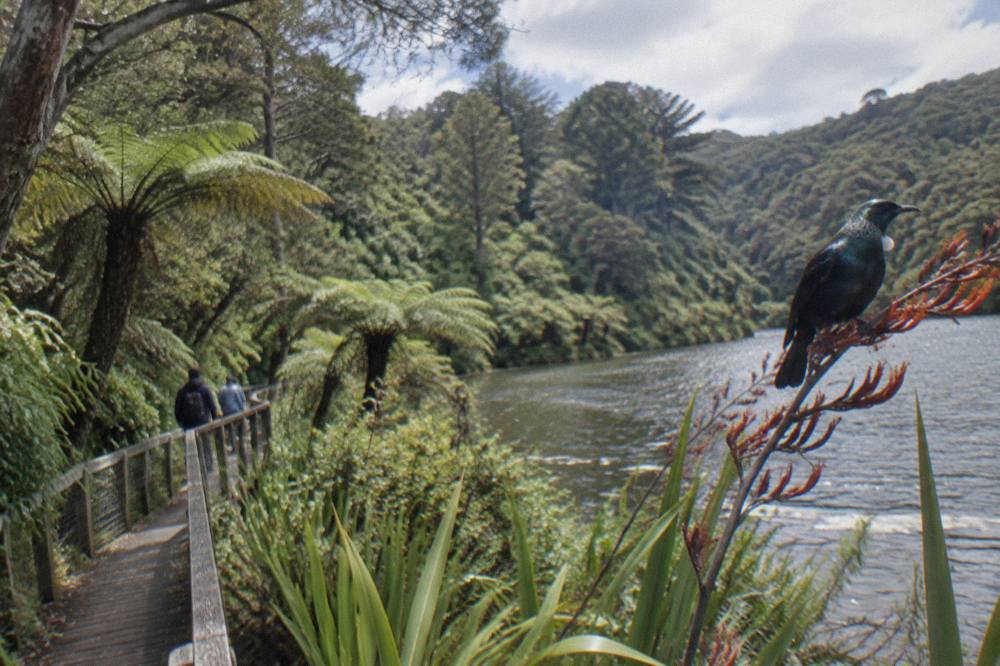
The comparison is not really about which is better, because they answer different questions. Zealandia is an urban ecosanctuary in Wellington itself, no ferry, no channel crossing, no all-day commitment, and its three tours, day, twilight and night, run to a 12-person maximum. The twilight tour includes coffee or tea and carries a minimum age of 5; the night tour has a minimum age of 12. All three Zealandia tours say they operate in all weather conditions, so dress for it, which removes the sailing-cancellation risk the island carries.
| Question | Kapiti Island day tour | Zealandia day tour |
|---|---|---|
| From price (USD, per person) | $186.78 | $40.23 |
| Duration | 5 hours | 2 hours |
| Start point | Paraparaumu Beach ferry departure | Zealandia Visitor Centre, Karori |
| Setting | Offshore predator-free island reserve | Urban ecosanctuary in Wellington |
| Weather policy | Good weather needed, rebook or full refund | Operates in all weather conditions |
| Meal | Lunch | Not included |
| Reviews | 4.8 across 576 | 4.8 across 248 |
Families weighing the island should also read taking children on a Kapiti Island tour, since the unpaved tracks and stony landing shape that decision more than any age rule. Age and health terms for each tour sit on the booking page.
Is The Overnight Stay Worth The Extra Cost?
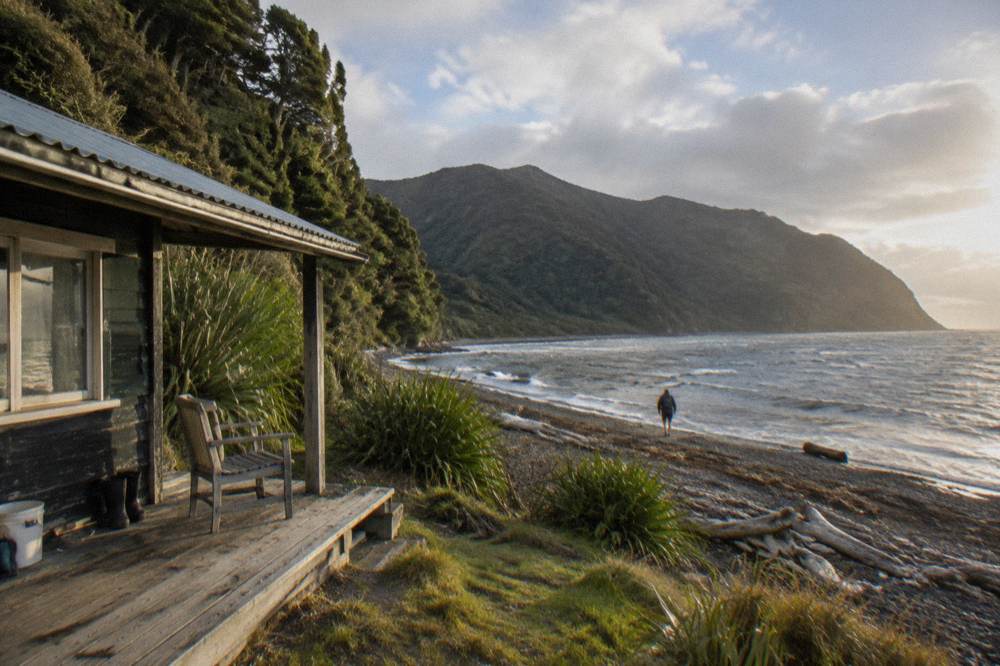
The overnight experience, from $401.73 per person for 2 days with dinner, breakfast and two lunches included, adds a guided night walk looking for ruru, korora and kiwi pukupuku, plus a second day on the island. It stays on the operator's private land at Waiorua Bay, since DOC permits no overnight stays inside the nature reserve.
The overnight is the deepest version of the island trip, rated 4.9 across 484 reviews, with a group maximum of 18. The night walk is the differentiator: little spotted kiwi are nocturnal, so a day trip cannot offer that search, and the operator asks for quiet clothing precisely because the encounter depends on not disturbing the birds. The booking page asks for moderate fitness. Cabins and glamping tents have solar lights and no power supply, each with its own rate.
An honest alternative for kiwi-focused visitors on a tighter budget is the Nga Manu Kiwi Night Encounter at Waikanae, from $56.90 per person for 1 hour 30 minutes, a maximum of 10 guests. It is a different thing entirely: an informational session and an escorted dusk viewing of a resident pair of North Island brown kiwi in a purpose-built habitat, in a Thursday to Sunday window, with no photography. The kiwi here are not the wild little spotted kiwi of Kapiti Island.
What Do The Ratings Say About Kapiti Island Trips?
The 5-hour day tour is the most reviewed trip on this site at 4.8 across 576 reviews, the overnight is 4.9 across 484, and the Wellington-return day tour has 7 reviews.
The two largest island products carry the two largest review counts, which tells you where most visitors spend their money.
The wider worth-it verdict also depends on what you compare against. The Seal Coast Safari, 4.9 across 372 reviews, from $112.07 per person, is a 3 hour 30 minute small-group 4WD trip to Cape Terawhiti via private farmland, with cruise-ship pickup and drop-off, and it suits a traveller who wants coastal scenery and seals over forest birds. It goes to Cape Terawhiti per its own description, never Red Rocks, and no sighting is guaranteed there either. For a head-to-head, read Wellington seal safari or Kapiti Island tour.
Common Questions About Kapiti Island
Is Kapiti Island Worth Visiting?
For most visitors wanting native forest and rare birds in one day, yes. The 5-hour day tour is from $186.78 per person with ferry, guided walk and lunch, rated 4.8 across 576 reviews. The caveats are unpaved tracks, a stony landing, weather-dependent sailings and no guaranteed bird sighting.
Can You Stay Overnight On Kapiti Island?
Yes, but only on the operator's private land at Waiorua Bay, never inside the DOC nature reserve, which permits no overnight stays. The overnight experience is from $401.73 per person for 2 days, with dinner, breakfast and two lunches, and a guided night walk looking for ruru, korora and kiwi pukupuku.
Can You Visit Kapiti Island Without A Tour?
No, you need to book a tour. Kapiti Island is a DOC nature reserve where private boats, kayaks, jetskis, paddleboards and swimmers may not land. Access is only with an approved operator, and DOC lists one concessionaire, Kapiti Island Nature Tours, whose DOC permit is included in its trips.
What Is The Cheapest Way To Visit Kapiti Island?
The cheapest Kapiti Island trip is the 5-hour Classic Guided Day Tour at from $186.78 per person, starting at Paraparaumu Beach. The Wellington-return day tour with shuttle is from $305 per person. The overnight is $401.73 per person for 2 days.
Is A Kapiti Island Tour Or A Zealandia Tour Better?
They suit different days. Zealandia is from $40.23 per person, 2 hours, in Wellington, and runs in all weather. Kapiti Island is a full-day island experience from $186.78 per person, weather dependent, with a ferry crossing and a closed predator-free ecosystem.
Are Kapiti Island Tours Guaranteed To See Kiwi?
No. The operator itself says it cannot guarantee a kiwi sighting. The overnight trip includes a guided night walk looking for ruru, korora and kiwi pukupuku, framed as a search. The Nga Manu Kiwi Night Encounter is different again: a resident pair of North Island brown kiwi in a purpose-built habitat.