What To Bring On A Kapiti Island Day Trip
Kapiti Island is a predator-free nature reserve with strict biosecurity rules, untreated water, no shop and unpaved tracks, so what you carry decides how the day goes.
Short answer
Bring a sealed-food day pack, your own drinking water, clean footwear, layers for the sea crossing and a bag you can close tightly, because weka and kaka will open anything loose. The 5-hour day tour is from $186.78 per person with lunch included; check-in is at the operator office on Marine Parade, Paraparaumu Beach.
Kapiti Island is a 1,965 hectare predator-free nature reserve 5 km off the Kapiti Coast, and every item in your bag crosses the Rauoterangi Channel with you. That single fact shapes the whole packing list. Pack accordingly: bags get opened and inspected before boarding, all water on the island is untreated, there is no shop and nowhere to buy food, the tracks are unpaved, and the boat lands by ramp on a stony beach. Get the kit right and the day runs smoothly. Get it wrong and you can be unpacking a bag on the beach while a queue forms behind you.
This guide works through the packing question in the order you will actually face it: the day pack itself, food and drink, footwear and clothing, the biosecurity checks, children, and the small list of things that should stay home. It also covers the extra kit the overnight stay at Waiorua Bay asks for, because the same rules apply with a night added. Where a specific tour is the anchor for the day, it is the Kapiti Island Classic Guided Day Tour, from $186.78 per person, 5 hours, lunch included, rated 4.8 across 576 reviews, and it is the most reviewed trip on this site.
What Should You Pack For A Kapiti Island Day Trip?
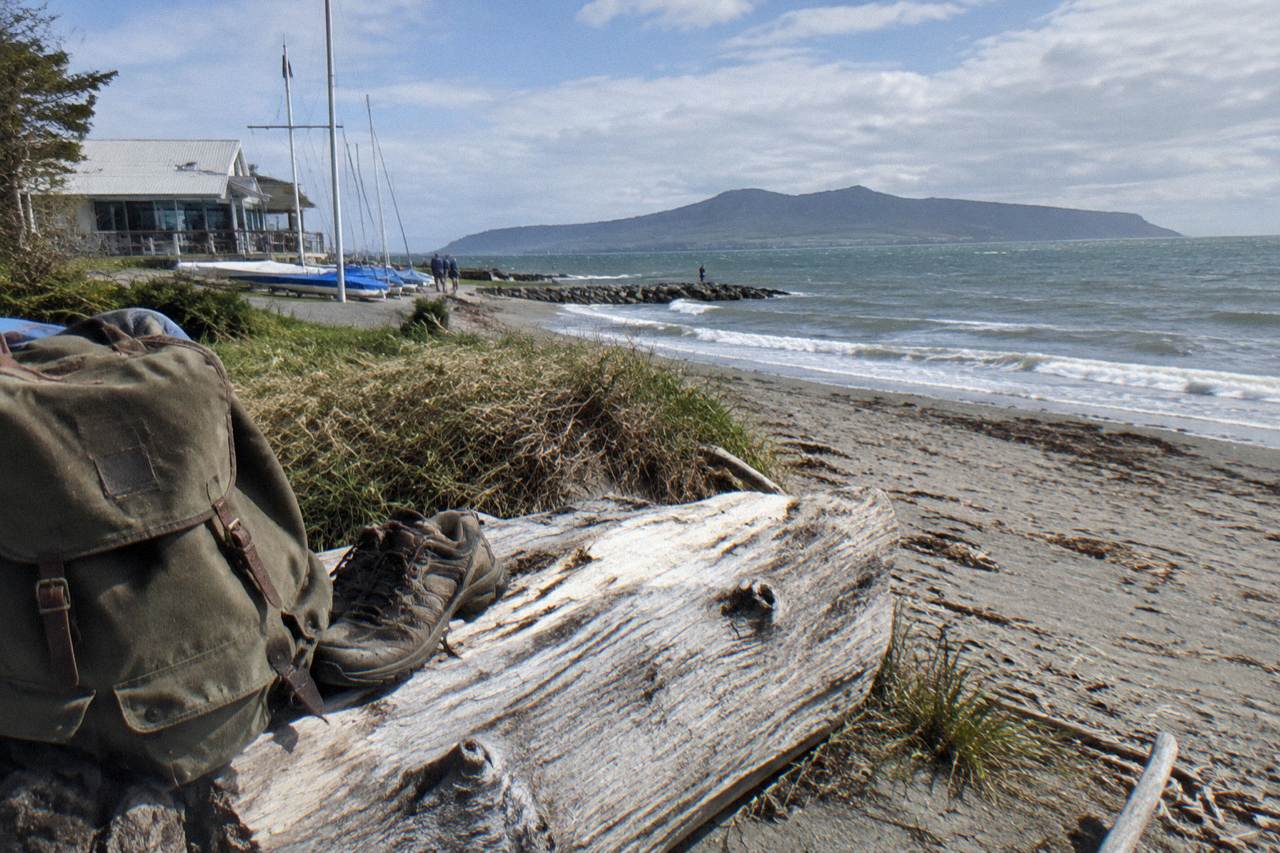
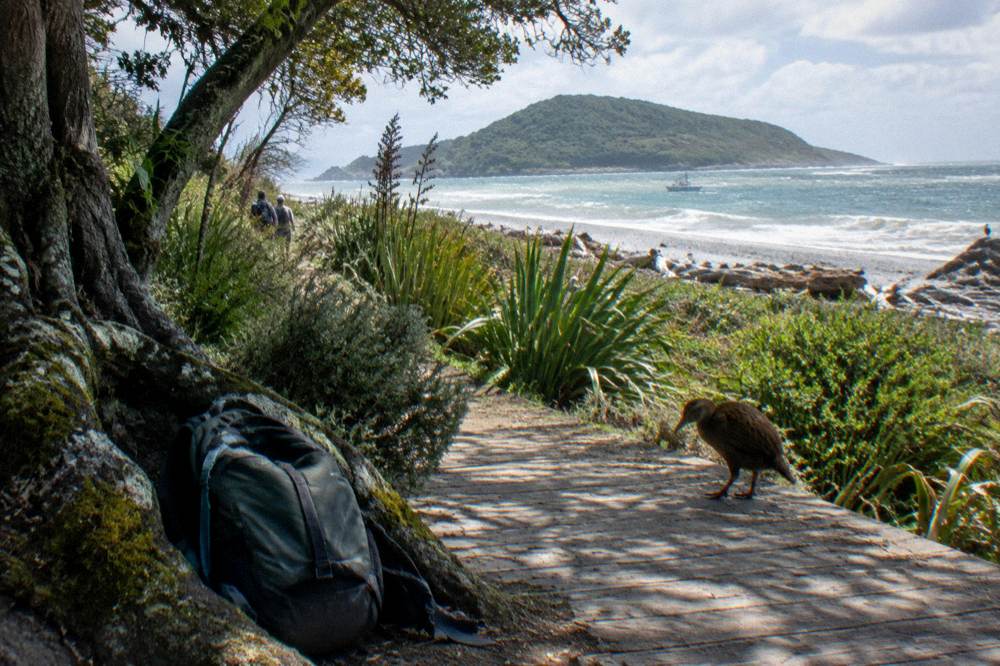
Pack a single closable day bag with your own drinking water, sealed food, clean footwear or a change of shoes, warm and waterproof layers for the crossing, sun protection, any personal medication, and a rubbish bag to carry everything home, because there is no shop, no treated water and no bin service on the island. The bag matters as much as the contents. Weka and kaka are inquisitive and expert at getting into bags, so DOC tells visitors to keep belongings out of reach and closed. A day pack with zips you can pull tight does that job. An open tote does not.
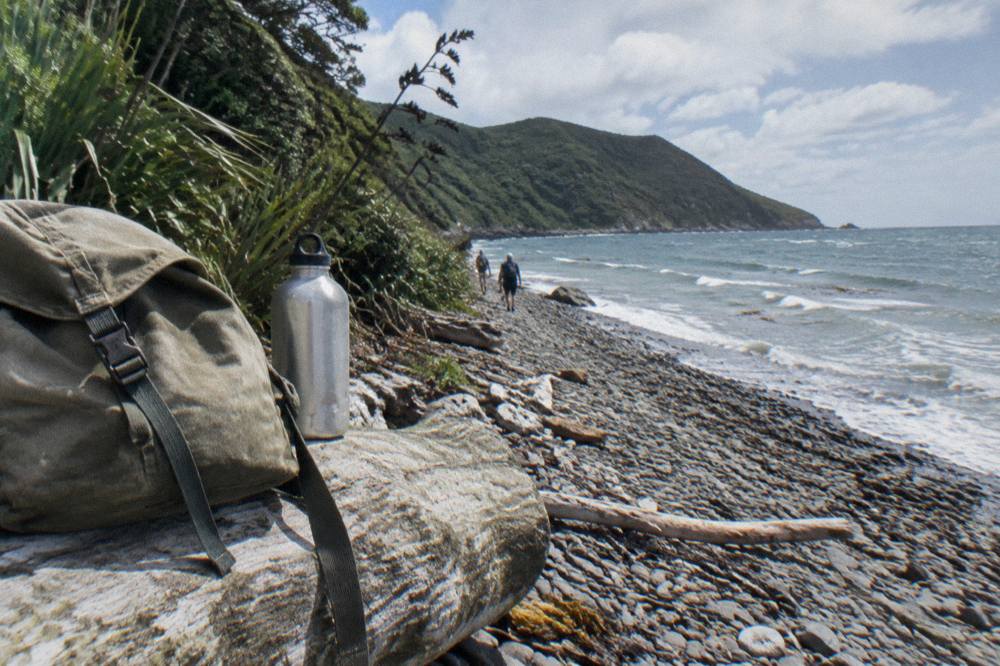
Start with the water. DOC advises that all water on the island is untreated and recommends bringing your own. Rangatira, the public landing halfway along the eastern shore, has fresh drinking water at the visitor shelter, but the operator notes Waiorua has toilets and a shelter with no fresh drinking water there. If your trip lands at Waiorua Bay, the water in your bag is the water you have. Bottles filled the night before, carried in the pack rather than hand-held, survive the boat and the beach landing better.
Next, the layers. The crossing takes about 15 to 20 minutes according to the operator, on the Rauoterangi Channel, and the island's highest point, Tuteremoana, sits at 521 m where weather can differ from the beach. A warm layer and a waterproof jacket serve both the boat and the tracks, whatever the forecast said on the mainland. Sun protection belongs in the pack for the boat ride and the open sections of track.
| Item | Why it earns its place | Where the rule comes from |
|---|---|---|
| Water bottles | All island water is untreated; Waiorua shelter has no fresh drinking water | DOC and operator |
| Sealed food containers | Open bags of food are not allowed; no shop on the island | DOC |
| Warm layer and waterproof jacket | Boat crossing, unpaved tracks, changeable conditions | Planning advice |
| Walking shoes, cleaned | Unpaved tracks, stony beach landing by ramp | Operator |
| Zip-closed day pack | Weka and kaka get into open bags | DOC |
| Rubbish bag | Pack out all rubbish, including fruit pips and cores | DOC |
| Personal medication | Nothing is sold or supplied on the island | Planning advice |
If your day trip is built around the Classic Guided Day Tour, the lunch at the lodge is included in the fare, which trims the food load to snacks and drinks. The full picture of how that tour compares with the overnight and the Wellington return option is on the Kapiti Island tours compared page.
What Food And Drink Can You Bring To Kapiti Island?
Bring food in sealed containers, keep it closed on the boat and the island, carry out every scrap including fruit pips and cores, and pack your own water, because open bags of food are not allowed, there is no shop on the island and all island water is untreated. Those are the three food rules that matter, and each comes straight from the Department of Conservation's island rules. None of them ban food. They ban food that pests can reach.
The reason is the island itself. DOC removed kiore and Norway rats by aerial drop in September and October 1996. A single seed, soil crumbs or an insect in a bag can undo nearly three decades of that work, which is why bags are inspected and unpacked before boarding. Food in sealed containers, checked for pests before you leave home, passes quickly. Loose sandwiches in an open bag hold the queue and risk being left behind.
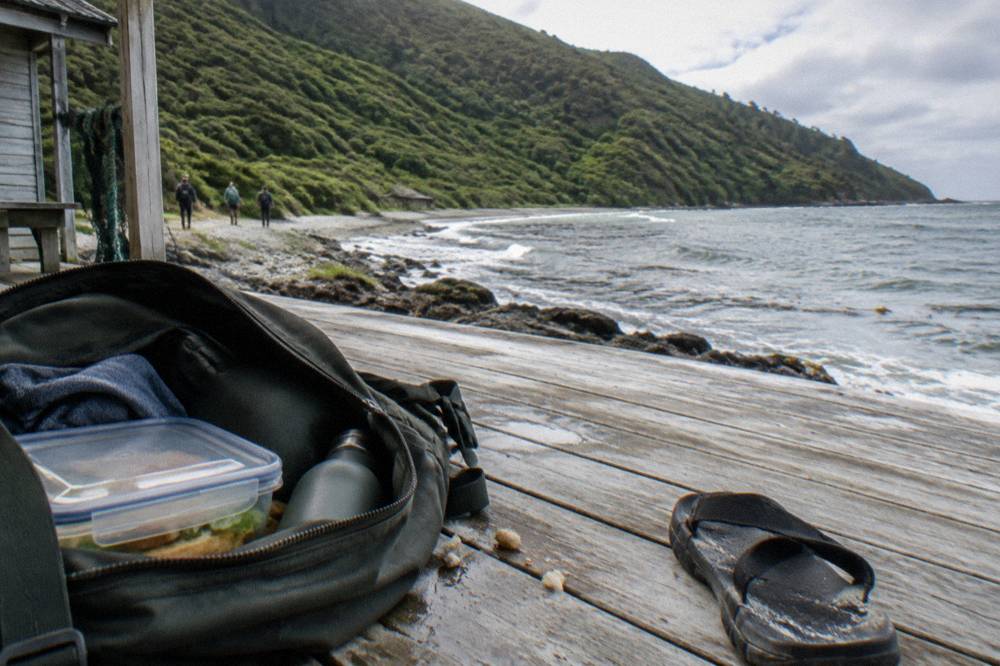
Plan the quantity around your tour, not around appetite guesses. The Classic Guided Day Tour includes lunch at the lodge, so snacks and water cover the gaps on a 5-hour day. The overnight trip, from $401.73 per person for 2 days, includes dinner, breakfast and two lunches, and it runs with a group of up to 18. The Wellington return day tour, from $305 per person, includes a cooked lunch. Guided tours include the DOC permit, so food, not paperwork, is the thing to organise.
| Food and drink item | Allowed | Notes |
|---|---|---|
| Sealed containers of food | Yes | Inspected at check-in; keep them closed |
| Open bags of food | No | DOC rule at boarding |
| Water bottles | Yes, bring your own | Island water is untreated |
| Fruit | Yes, packed out | Pips and cores must leave with you |
| Rubbish | Carry it home | No bin service to rely on |
| Cooking stoves | No | Portable cooking stoves are banned |
One practical habit from the operator's own guidance: check bags, clothing and footwear for pests, soil, seeds and plant material before you leave home rather than at the beach. The biosecurity team screens at check-in, and a bag already clean moves through fastest. The details of check-in, parking and the boat itself are covered in the Kapiti Island ferry and boat crossing guide.
What Should You Wear And Carry On Your Feet For Kapiti Island?
Wear comfortable closed walking shoes with clean soles, and carry a warm waterproof layer for the boat, because the tracks are unpaved, the landing is a stony beach reached by ramp, the island is not wheelchair accessible and prams are hard to manage, so a carrier is advised for small children. Footwear is the one item that is both a comfort decision and a biosecurity decision. Clean shoes pass the check-in screen; dirty soles hold it up.
The operator asks that footwear and any ground-contact gear be cleaned within 48 hours of sailing. That means the brush-down happens at home, the day before, not in the car park. Soil and seeds on shoe treads are exactly what the inspection is looking for. If your walking shoes live in a cupboard between trips, give them a scrub and let them dry packed, not worn to the beach.
- Zealandia Tours$40.23
- Kapiti Coast Nature Tours$56.90
- Wellington Seal Coast Tours$112.07
- Kapiti Island Tours$186.78
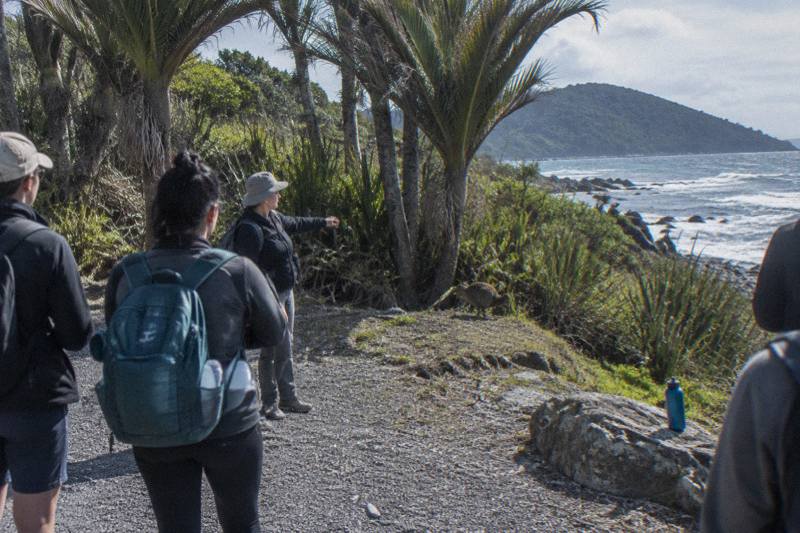
The tracks themselves justify proper shoes. The Rangatira Loop Track is a 1.8 km loop DOC grades at 1 hour 30 minutes, passing whaling trypots, a historic whare and a wetland boardwalk. The Wilkinson Track runs 3.8 km one way to the summit at Tuteremoana over about 2 hours, with a picnic area and hihi feeding station a third of the way up. The Trig Track is steeper, 2 km one way, uphill direction only. None of it is paved, and the operator describes the landing itself as a stony beach. Sandals and thin-soled shoes turn a good walk into a slow one.
The guided walk on the day tour runs about 1 hour. Reasonable fitness is the operator's own wording for what the island asks. Clothing follows the same honest logic: layers you can shed on the climb and pull on for the boat, with nothing specialist required beyond a decent waterproof.
The day tour is the anchor for most first visits, from $186.78 per person, starting 08:45 at Paraparaumu Beach and ending back on the beach in front of the Kapiti Boating Club five hours later. It runs with a guide and includes lunch and the ferry.
What Biosecurity Rules Affect What You Pack?
Every bag is inspected and unpacked before boarding, so pack so you can open everything quickly: food sealed, footwear and ground-contact gear cleaned within 48 hours of sailing, no pests, soil, seeds or plant material, no open food bags, no pets, no drones without a permit, no fires or portable cooking stoves, and nothing taken off the island. The inspection is not a formality. It is the reason Kapiti has hihi, kokako, takahe, brown teal and saddleback living wild, species DOC says have been transferred to the island since the 1980s.
Pack for the inspection the way you pack for airport security. Easy-open compartments, nothing buried under spare clothing, and food grouped in one place let the biosecurity team see everything at a glance. The operator's team screens at check-in at the office on Marine Parade, and check-in opens 20 to 40 minutes before sailing. A tidy bag gets you and everyone behind you onto the boat faster.
| Biosecurity rule | What it means for your bag |
|---|---|
| Bags inspected and unpacked before boarding | Pack tidily, food in one place |
| Clean footwear and ground-contact gear within 48 hours | Scrub shoes and gaiters at home |
| Keep food in sealed containers | No open bags of food |
| No pets | Leave animals at home |
| Drones need a permit | Leave the drone behind |
| No fires or portable cooking stoves | Pack cold food only |
| Take nothing off the island | No shells, feathers or plants home |
Two rules deserve special attention on the island itself. Keep 10 m from animals and give wildlife right of way, and keep to formed tracks. Weka and kaka are inquisitive and expert at getting into bags, so keep belongings closed and out of reach. DOC's island rules are published by the Department of Conservation's Kapiti Island page, worth a read the night before you pack.
What Should You Bring For Children On A Kapiti Island Tour?
Bring a carrier rather than a pram for small children, their own water and sealed snacks, warm layers for the boat, and check the age terms on the booking page, because the tracks are unpaved, the landing is a stony beach, prams are hard to manage and the operator advises a carrier. The island does not set an age bar on the day tour or the overnight trip, so the booking page is where each family confirms the terms for their own dates.
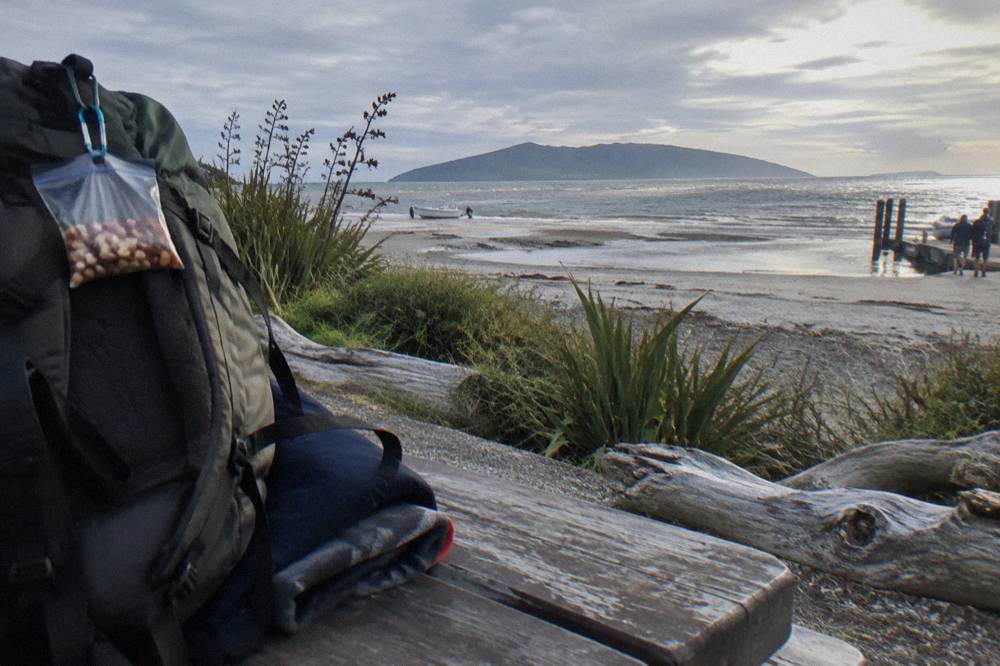
The carrier advice is the operator's own, and it follows from the terrain. A stony beach landing by ramp, then dirt tracks with boardwalk sections, is hard work for a pram and easy work for a carrier. Older children who visit Rangatira manage the 1.8 km loop track comfortably at a walking pace; the 3.8 km Wilkinson Track to the summit is a bigger ask and worth attempting only with time and weather on your side, though note the guided day tours sold here land at the North End instead. The full children angle, including what the day actually looks like for families, is on the Kapiti Island tour with children page.
Food rules apply to children's bags exactly as to adult bags. Sealed containers, no open food bags, everything carried out again. The weka rule deserves a family briefing too: a lunch left open on a bench will be investigated. A bag each, zipped, is the simplest system that works.
For comparison, the Zealandia tours in Wellington set firm minimum ages, 5 for the twilight tour and 12 for the night tour, and their evening and night formats suit older children better than a full island day. Kapiti's own trips make no such age rules, which makes the booking page the honest source for each family's case.
What Should You Leave Behind On A Kapiti Island Day Trip?
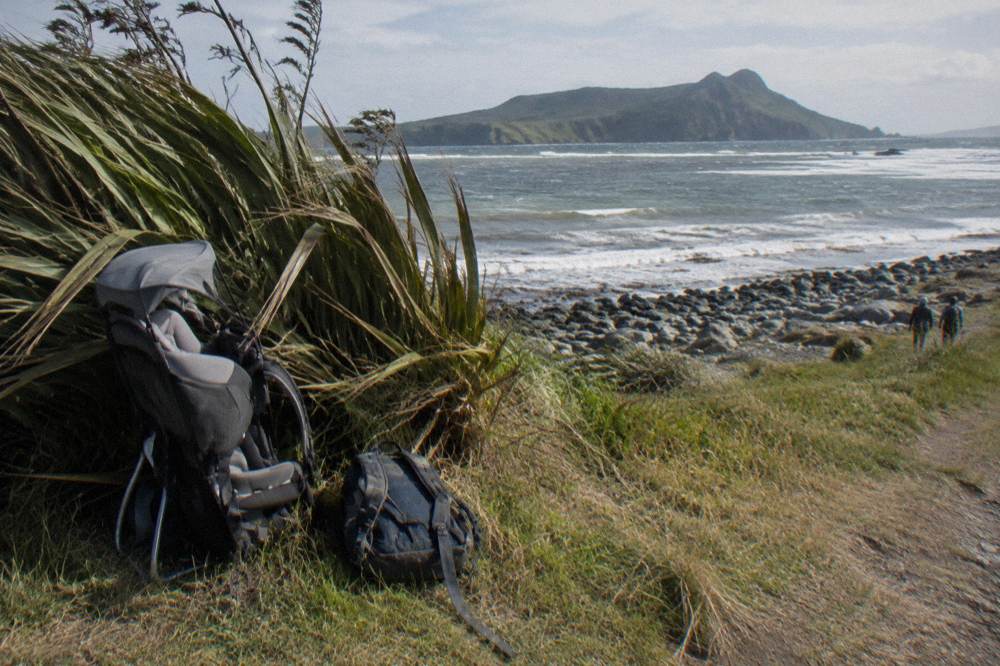
Leave behind drones, pets, portable cooking stoves, fishing gear for the marine reserve, open food bags, anything you want to take home from the island, and more bag than you can carry on and off a boat by ramp, because drones need a permit, pets are banned, stoves and fires are banned, and taking anything off the island is prohibited. The island is a nature reserve first and a destination second, and the prohibited list is short but absolute.
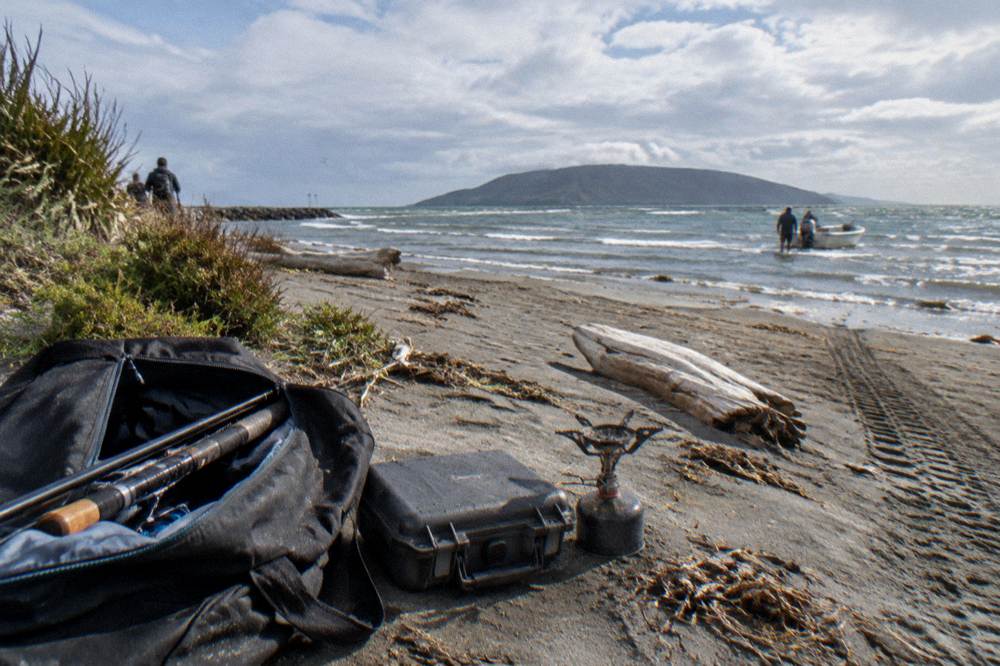
The marine reserve point catches some visitors by surprise. The Kapiti Marine Reserve, established in 1992 across 2,167 hectares between Paraparaumu and Waikanae beaches and the island, bans fishing of any kind and the taking or disturbing of anything. If a fishing rod is part of your usual beach kit, it stays on the mainland. Snorkelling from the island's shores requires travelling there with a permit, so that gear is better left behind too.
| Leave at home or on the boat | Reason |
|---|---|
| Drone | Needs a permit near the island and marine mammals |
| Pet | Not allowed on the island |
| Portable cooking stove | Banned, along with fires |
| Fishing rod | Marine reserve: no fishing of any kind |
| Pram | Stony beach landing, unpaved tracks; carrier advised |
| Open bags of food | Refused at the biosecurity check |
| Souvenir containers | Nothing may be taken off the island |
Smoking and vaping are also out. Rubbish, including fruit pips and cores, goes home with you. And the golden rule of the island's biosecurity is the quietest one: take nothing off the island, not a shell, not a feather, not a plant cutting. The island's value is exactly that it has been left intact.
Weather adds one more leave-behind consideration: rigidity of plans. Trips are weather dependent, the skipper cancels for unsafe sea or weather with another date or a full refund, and DOC advises contacting the operator on the morning of the trip for a weather check. The two Kapiti Island Nature Tours day and overnight booking pages ask guests to phone between 7 and 7:15 am on the day to confirm the tour is going ahead. Pack an alternative plan alongside the day bag; the detail is in the Kapiti Island tour weather and cancellations guide.
The Seal Coast Safari is the useful bad-weather contrast to know about while packing, though it needs good weather itself per its own cancellation terms. It is a 3 hour 30 minute small-group trip from Wellington to Cape Terawhiti through Terawhiti Station's private farmland by 4WD, with Otari-Wilton's Bush on the way, from $112.07 per person.
What Extra Kit Does The Kapiti Island Overnight Stay Need?
The overnight trip, 2 days and 1 night from $401.73 per person with dinner, breakfast and two lunches included, needs the same day-trip kit plus quiet clothing for the night walk, a torch, overnight toiletries and layers for two days, and it stays on the operator's private land at Waiorua Bay, never inside the nature reserve. That last point matters for packing: DOC does not permit overnight stays in the reserve, and the accommodation, whether cabin, tent or ensuite, each with its own rate, sits on private land around Waiorua Bay.
The night walk is the kit difference. The trip includes a guided night walk looking for ruru, korora and kiwi pukupuku, and the operator says it cannot guarantee a kiwi sighting, so the clothing, not the wildlife, is what you control. The operator asks for quiet clothing for kiwi spotting, because nylon and jandals can disturb kiwi. Soft fabrics, quiet soles and a red-light torch if you own one are the honest additions. Cabins and glamping tents have solar lights and no power supply, so charge phones and cameras before the ferry and pack a power bank if you need one.
The overnight is rated 4.9 across 484 reviews, the second most reviewed trip on this site after the day tour's 576, and it runs with up to 18 guests. Its free cancellation runs up to 24 hours before the start, with a full refund, and a weather cancellation earns another date or a full refund. The full comparison of the two island formats, including the accommodation tiers at Waiorua, is in the Kapiti Island overnight stay guide.
Everything from the day-trip list still applies: own water for the Waiorua side where the shelter has no fresh drinking water, sealed containers until meals are served, clean footwear screened at check-in, and rubbish carried back. Two days of clothing packed in one closable bag, with the night-walk layer on top, is the whole difference.
Does The Wellington Return Tour Change What You Pack?
The Wellington return day tour, 6 hours and from $305 per person with a cooked lunch included, changes almost nothing in the bag, because the Wellington accommodation shuttle to Paraparaumu Beach is part of the trip, the ferry and island rules are identical, and the same sealed food, own water, clean shoes and layers checklist applies. The shuttle collects from Wellington accommodation, with no single pickup address named, and the day runs from there to the same boats and the same beach.
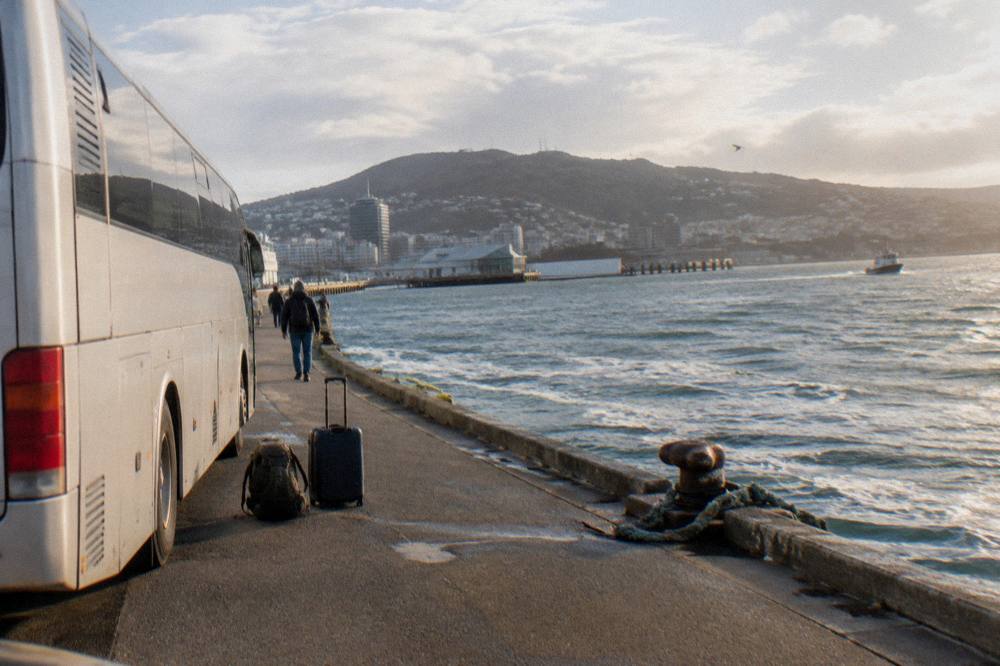
The practical packing difference is timing and carrying. A 6-hour day that includes the shuttle legs means the bag is on your lap or in a hold for longer, so travelling light pays off more, not less. The biosecurity inspection, the sealed food rules and the footwear cleaning are the same at the same check-in on Marine Parade.
That shuttle is the one real product difference, and it comes from one operator, not a rival. Kapiti Island Nature Tours is the only DOC-listed concessionaire for the island, and its three trips on this site, the 5-hour day tour, the 2-day overnight and the Wellington return day tour, are one operator's products at different formats and prices. Choosing between them is a choice about transport and time, not about quality or access: every one of the three crosses the same channel under the same rules with the same kit list.
The bag you pack for the Wellington return tour is therefore the bag this guide has already built. Water, sealed snacks, clean shoes, layers, a closable pack and a rubbish bag, plus whatever the day's own extras are. The planning side of that decision, including how the day is structured from the capital, is on the Kapiti Island tour from Wellington page.
What Do People Forget Most On A Kapiti Island Day Trip?
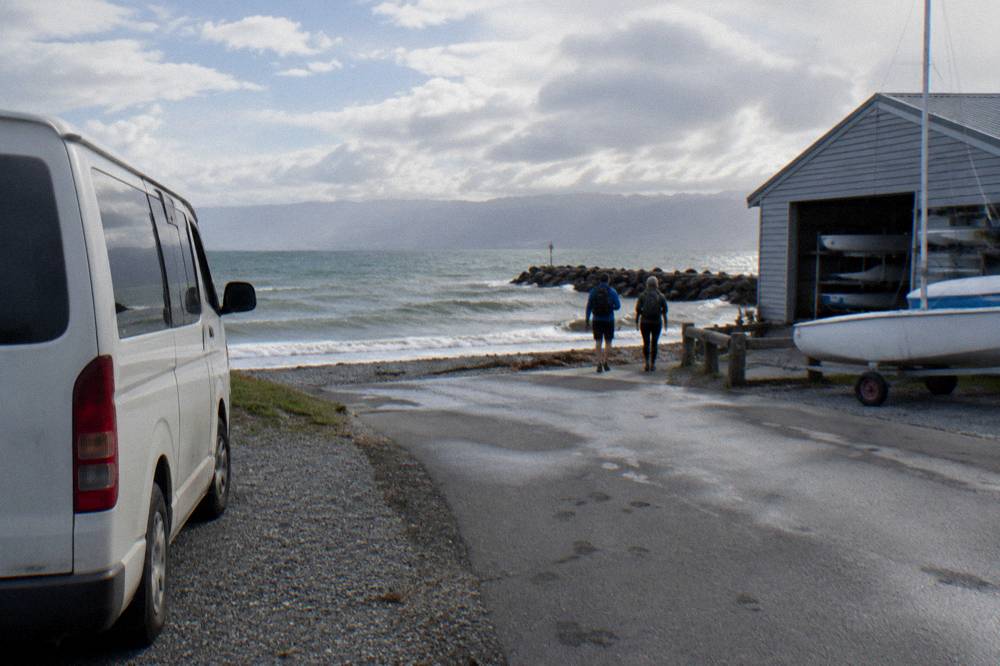
The forgotten items are drinking water, the rubbish bag, the footwear clean and a second warm layer for the boat, because there is no shop on the island, nowhere to buy food, no treated water supply to fall back on and no bin to use, so every gap in the pack is a gap for the whole day. None of these are exotic. All of them are boring, and all of them shape the day more than any specialist gear would.
The water point is worth repeating because it is the one people discount. Rangatira's visitor shelter has fresh drinking water, but DOC still advises bringing your own since all water on the island is untreated, and the Waiorua side has no fresh drinking water at the shelter. On a warm walking day on the Wilkinson Track, the difference between one bottle and two is the difference between a summit and a turnaround.
The rubbish bag is the second quiet essential. Pack out all rubbish, including fruit pips and cores, is DOC's wording, and there is no shop, which means no shop bin either. A spare plastic bag folded into the bottom of the pack weighs nothing and answers the entire problem. Lunch leftovers, orange peel and wrappers all travel home in it.
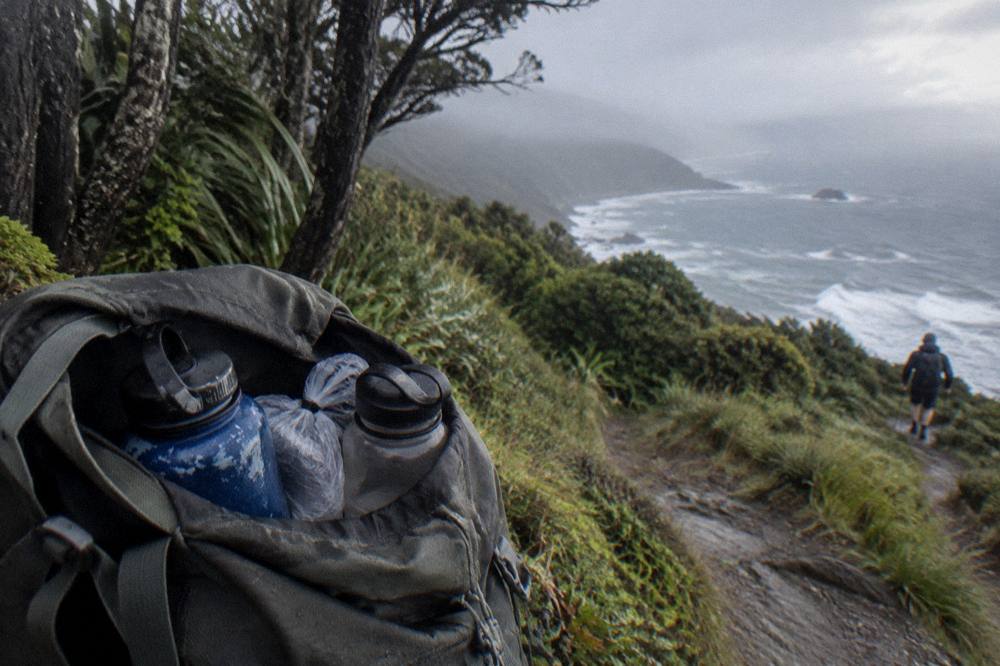
The footwear clean is the third. The operator's request to clean footwear and ground-contact gear within 48 hours of sailing is easy to intend and easy to skip on the morning itself. Shoes scrubbed the night before, left by the door, and carried or worn clean to the beach, move through the biosecurity screen in seconds. The full arrival routine, parking at the Kapiti Boating Club or across the stream, and check-in on Marine Parade, is covered in the Paraparaumu Beach boat departure guide.
Pack the seven-item core, clean the shoes, seal the food, and the island takes care of the rest, including the gannets and fluttering shearwaters often seen from the boat.
For anyone whose packing energy outlasts the day trip, the Nga Manu Kiwi Night Encounter at Waikanae is a lighter kit altogether: 1 hour 30 minutes, from $56.90 per person, up to 10 guests, with an informational session and an escorted dusk viewing of a resident pair of kiwi in a purpose-built habitat, Thursday to Sunday, no photography. The reserve is open daily 10 am to 5 pm except Christmas Day, and the encounter needs no ferry, no boots and no biosecurity queue, just your own travel to Waikanae.
Common Questions About What To Bring To Kapiti Island
What Should I Bring On A Kapiti Island Day Trip?
A closable day pack with your own drinking water, sealed food containers, clean walking shoes, warm and waterproof layers, sun protection, medication and a rubbish bag. There is no shop, no treated water supply to rely on and no bin service, so the bag you bring is the kit you have all day.
Can I Take Food To Kapiti Island?
Yes, in sealed containers. Open bags of food are not allowed, bags are inspected and unpacked before boarding, and all rubbish including fruit pips and cores must be carried out. The 5-hour day tour includes lunch at the lodge, so many visitors bring only snacks and water.
Do I Need To Bring Water To Kapiti Island?
Yes. DOC advises that all water on the island is untreated and recommends bringing your own. Rangatira has fresh drinking water at the visitor shelter, but the Waiorua side has toilets and a shelter with no fresh drinking water, so bottles in the pack are the safe plan.
What Shoes Should I Wear On Kapiti Island?
Closed walking shoes with soles cleaned within 48 hours of sailing, per the operator's guidance. The landing is a stony beach by ramp and the tracks are unpaved, including the 1.8 km Rangatira Loop and the 3.8 km Wilkinson Track to the summit.
Can I Bring A Pram To Kapiti Island?
A pram is hard to manage, and the operator advises a carrier for small children instead. The beach landing and unpaved tracks are the reason, along with the island not being wheelchair accessible.
What Can I Not Take To Kapiti Island?
Pets, drones without a permit, fires and portable cooking stoves, open bags of food, and fishing gear for the marine reserve are all off the list. Nothing may be taken off the island, not shells, feathers or plants, and all rubbish goes home with you.