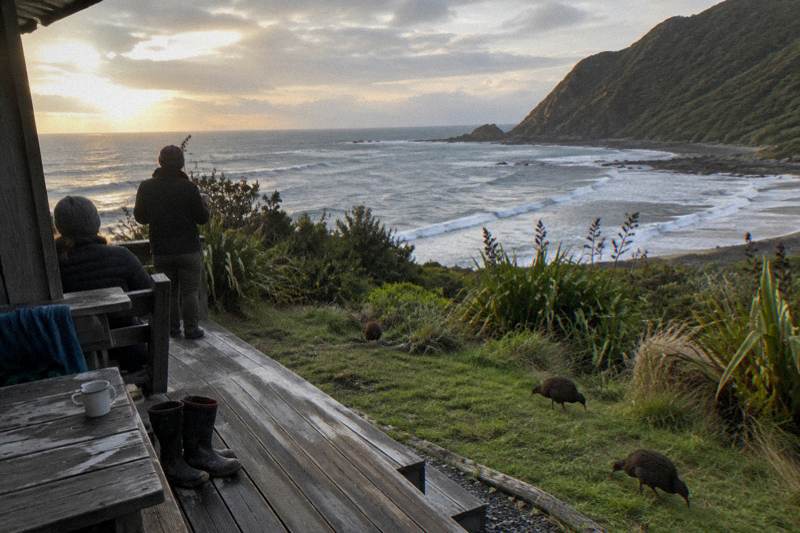
Kapiti Island Overnight Kiwi Spotting Tour: Night Walk And Stay
The overnight trip is the only way to look for wild little spotted kiwi on Kapiti Island after dark. Here is what the tour actually includes, what the operator can and cannot promise, and how it compares with the other night wildlife options around Wellington.
Short answer
The Kapiti Island overnight tour runs 2 days and 1 night from $401.73 per person for 2 days, including return ferry, DOC permit, meals and a guided night walk looking for ruru, korora and kiwi pukupuku. You stay on the operator's private land at Waiorua Bay, not inside the reserve, and no kiwi sighting is guaranteed.
Kapiti Island is one of the few places in New Zealand where wild little spotted kiwi still walk free at night, a species DOC describes as extinct on the mainland. Reaching them after dark means staying on the island, and there is exactly one way a visitor can do that: the overnight trip run by Kapiti Island Nature Tours, the only operator DOC lists as a concessionaire for transport, guided walks, overnight kiwi spotting tours and lodge accommodation. The trip runs 2 days and 1 night, from $401.73 per person for 2 days, and pairs a guided day on the island with a guided night walk looking for ruru, korora and kiwi pukupuku.
This guide lays out what the tour includes, where you actually sleep, how the night walk works, what the operator honestly can and cannot promise, and how the experience compares with the other night wildlife tours you might be weighing up. It also covers the practical details that decide whether an overnight works for you: the fitness asked for, the packing rules, the biosecurity checks, and what happens if the weather turns.
What Is The Kapiti Island Overnight Kiwi Spotting Tour?
The overnight tour is a 2 day, 1 night package from Kapiti Island Nature Tours priced from $401.73 per person for 2 days, covering the return ferry from Paraparaumu Beach, the DOC permit, an introductory talk, dinner, breakfast and two lunches, and a guided night walk looking for ruru, korora and kiwi pukupuku. It is rated 4.9 across 484 reviews, and hotel pickup is not included.
Kapiti Island Nature Tours is the single operator DOC lists for the island, and on this site its three island trips, the 5 hour day tour, this overnight trip and the Wellington-return day tour, are all one operator's products rather than rival companies. The overnight is the one that puts you on the island after the day visitors have gone home, which is the entire point: kiwi are nocturnal, and the little spotted kiwi here are wild birds in a 1,965 hectare predator-free nature reserve.
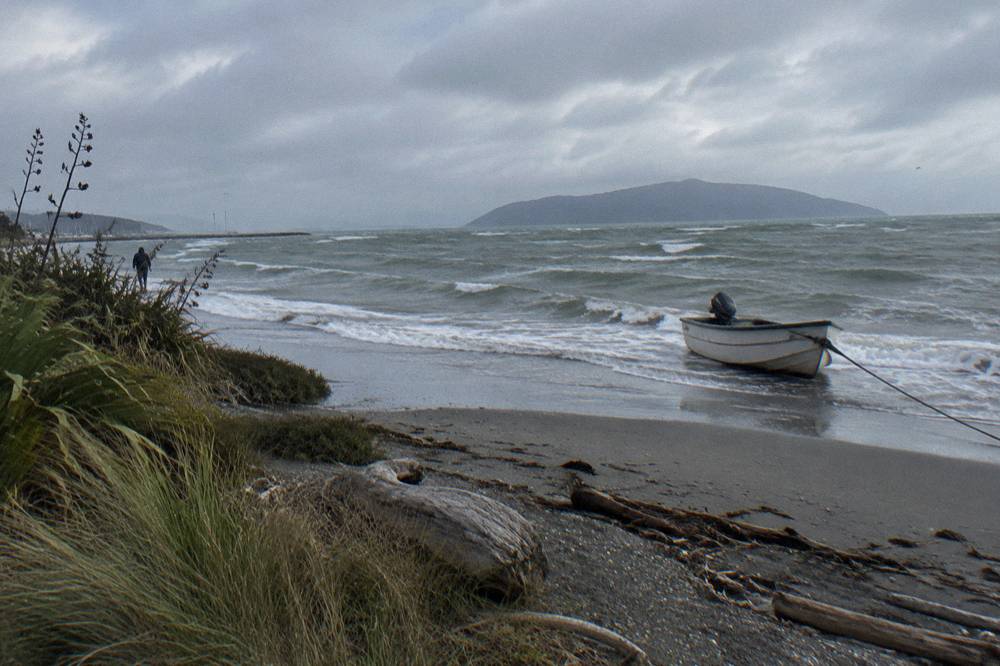
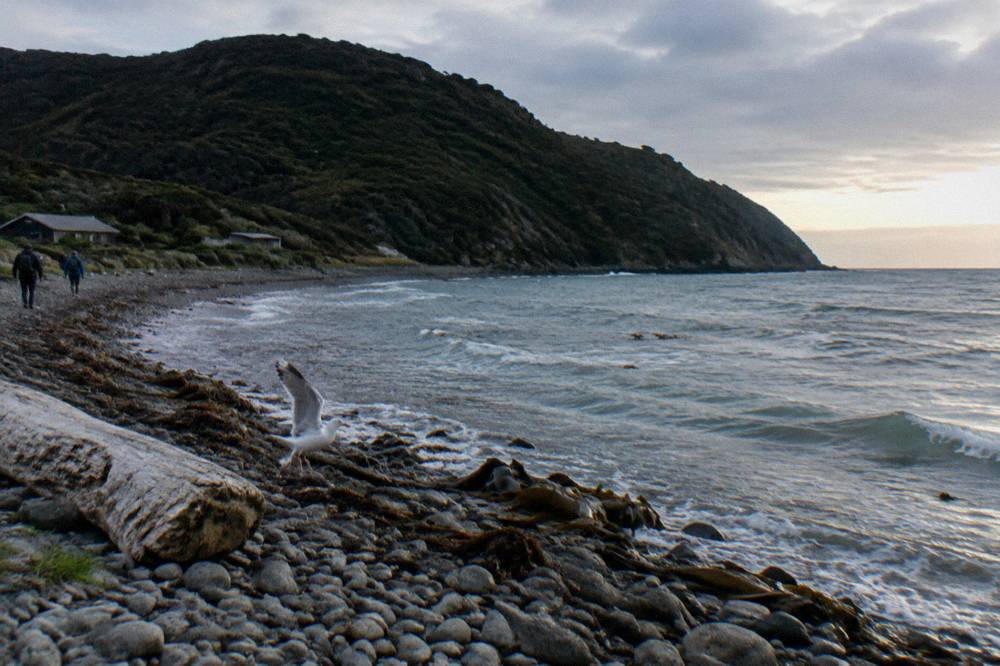
The trip meets at Paraparaumu Beach, roughly an hour north of Wellington by road, where check-in happens at the operator's office on Marine Parade before the boat leaves from the Kapiti Boating Club. The crossing itself takes about 15 to 20 minutes across the Rauoterangi Channel. Accommodation on the trip sits on the operator's private land at Waiorua Bay, in a cabin, tent or ensuite, each with its own rate, which is why the card price reads "from" and why the overnight sits off any day-trip price comparison.
The group is capped at 18. Free cancellation applies up to 24 hours before the start for a full refund, and the trip needs good weather: if the skipper cancels for unsafe sea or weather, you get another date or a full refund.
What Does The Night Walk Actually Look For?
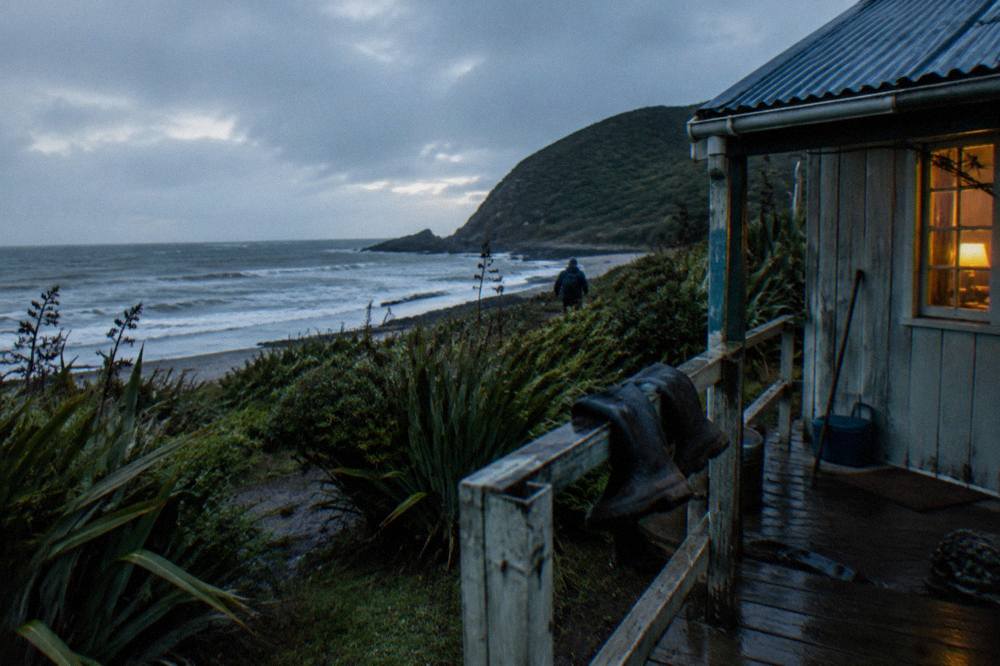
The guided night walk looks for ruru (morepork), korora (little blue penguins) and kiwi pukupuku, the little spotted kiwi. The operator is explicit that it cannot guarantee a kiwi sighting; these are wild birds in a nature reserve, and no tour on this site promises any bird. What the walk offers is access at the hour when the island's nocturnal species are active.
The wild kiwi on Kapiti are little spotted kiwi, a species DOC describes as extinct on the mainland, which makes the island one of the very few places a visitor can be among them at night.
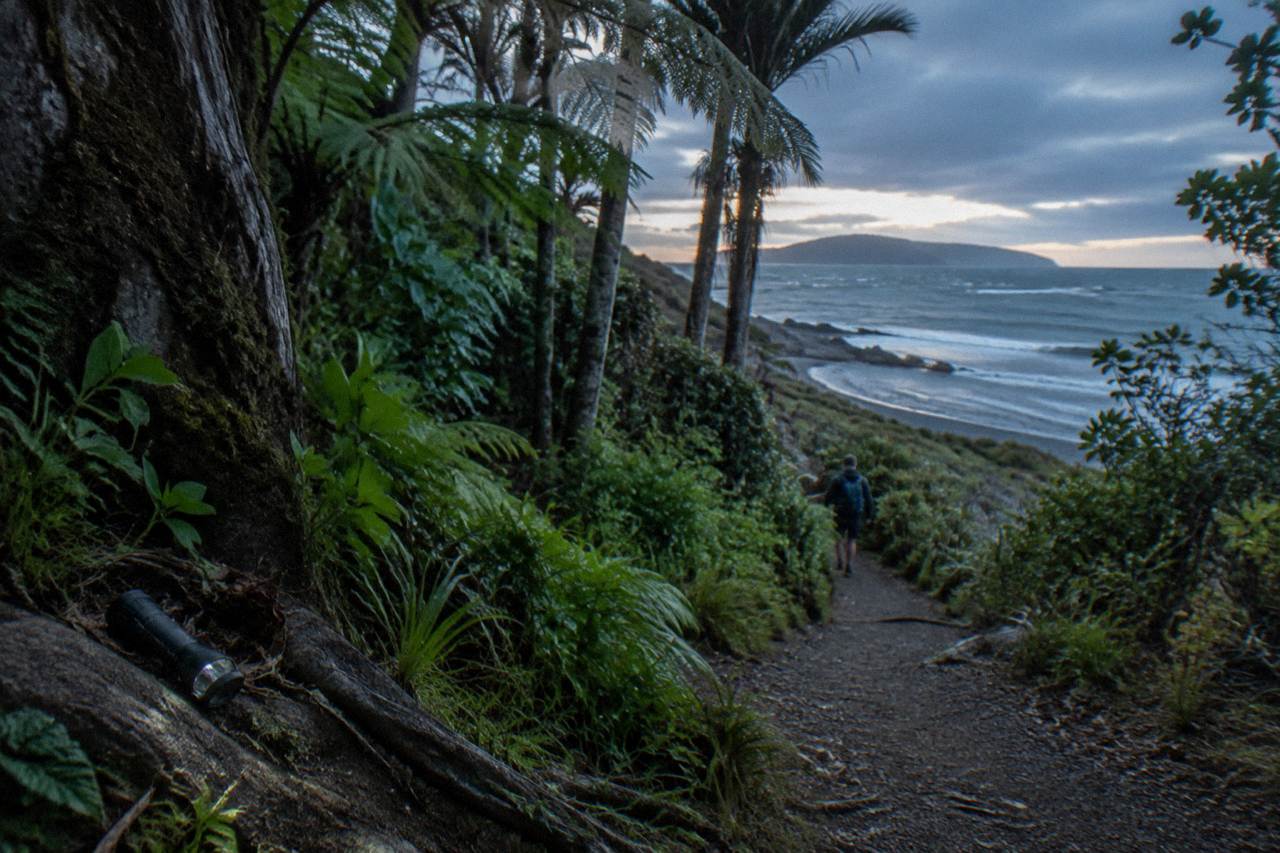
The operator gives one piece of preparation advice worth repeating: quiet clothing. Nylon fabrics and jandals can disturb kiwi, so soft, silent layers are the standard kit. Cabins and glamping tents have solar lights and no power supply, so a headtorch with a red-light mode and spare batteries belong on your packing list. The operator also asks for moderate fitness on the overnight booking, and the island's tracks are unpaved with a stony beach landing by ramp.
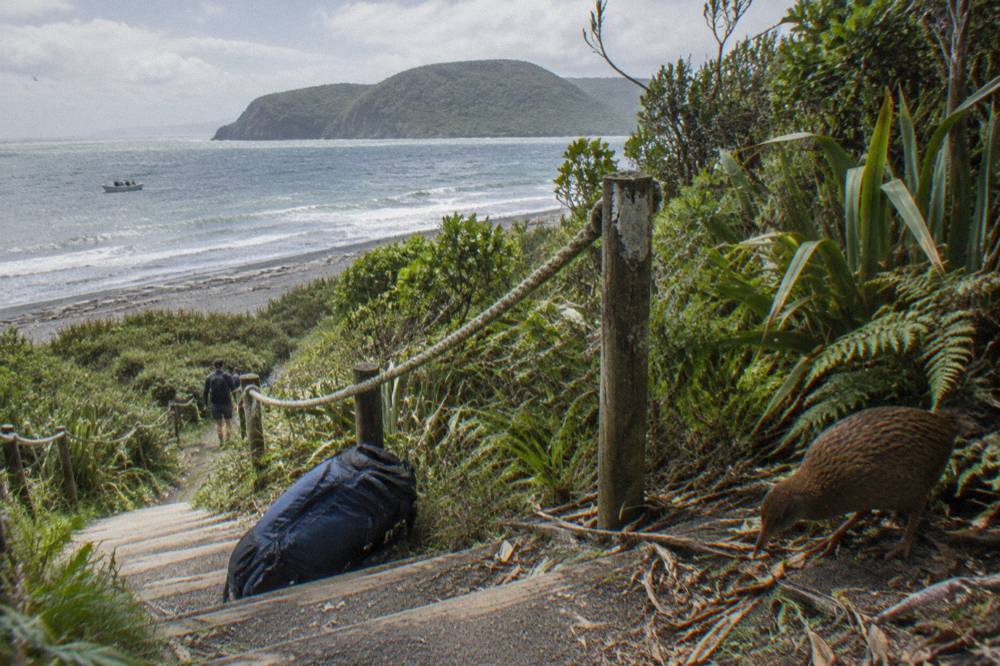
Ruru and korora are the realistic supporting cast. Gannets, fluttering shearwaters and little blue penguins are often seen on the boat trip, and orca and seals on the water only if you are really lucky. A guide leads the night walk.
Where Do You Sleep On The Overnight Tour?
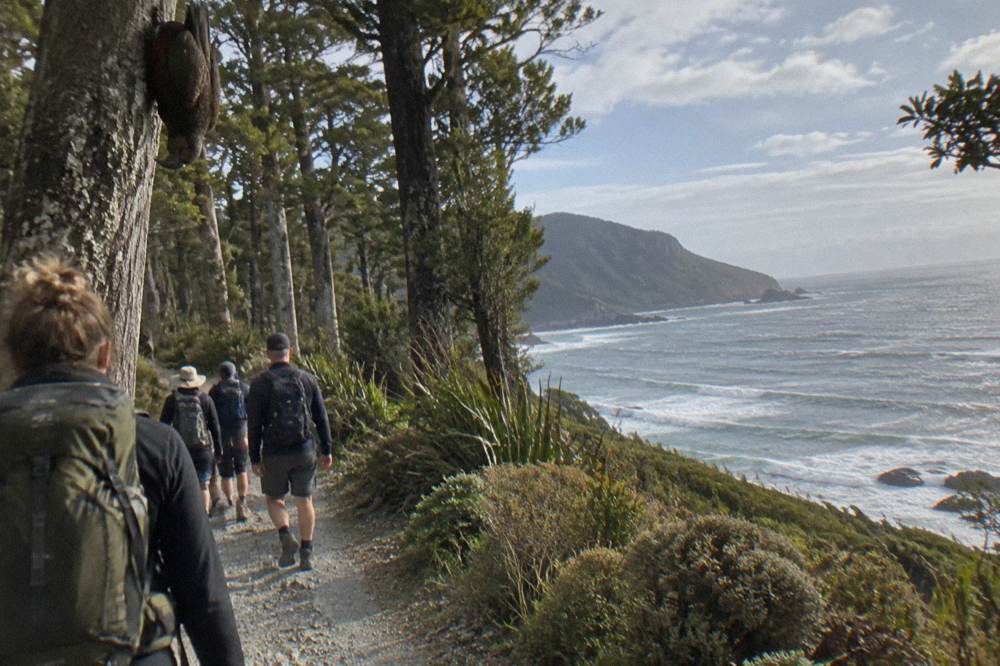
You sleep on the operator's private land at Waiorua Bay, at the north end of Kapiti Island, never inside the DOC nature reserve itself. DOC does not permit overnight stays in the reserve; the operator's lodge, cabins and tents stand on 13 hectares of private land around Waiorua Bay that local tangata whenua retained, and the booking offers a cabin, tent or ensuite, each with its own rate. If you're weighing whether the night is worth it, the guide to overnight stays on Kapiti Island spells out what the tour costs, what it includes and where it falls short.
This distinction matters more than it first appears. Kapiti Island is often described loosely as a place you can "stay on", but the overnight product is a stay on private land beside the reserve, with the reserve's walking tracks visited during the day under the DOC permit that is included in the trip. The lodge closes between Christmas and New Year while the ferry runs day trips only, a scheduling detail worth checking if your travel dates straddle the holidays.
- Zealandia Tours$40.23
- Kapiti Coast Nature Tours$56.90
- Wellington Seal Coast Tours$112.07
- Kapiti Island Tours$186.78
The accommodation is genuinely basic by design: solar lights, no power supply, and a shelter at Waiorua with toilets but no fresh drinking water, while Rangatira, the public area halfway along the eastern shore, has toilets, a public shelter and drinking water at the visitor shelter. DOC advises all water on the island is untreated and to bring your own. There is no shop and nowhere to buy food, which is why the trip's included meals, dinner, breakfast and two lunches, carry real weight in the price.
For a fuller picture of the accommodation tiers and what each rate covers, the companion guide Kapiti Island overnight accommodation options works through the stay itself, while this page stays on the night walk and the buying decision.
How Much Does The Overnight Kiwi Spotting Tour Cost?
The overnight tour is from $401.73 per person for 2 days, and the price covers the return ferry, the DOC permit, an introductory talk, the guided night walk, and all meals, dinner, breakfast and two lunches. Because the accommodation tier, cabin, tent or ensuite, changes the rate, the from-price is the floor rather than the figure, and the overnight sits off every day-trip price comparison on this site.
For context, the same operator's 5 hour day tour is from $186.78 per person including lunch, and the Wellington-return day tour with the shuttle from Wellington accommodation is $305 per person. The overnight is not a more expensive version of the same product; it is a different product that buys you hours the day tours cannot, the hours after dark.
| Tour | Price | Basis | Duration | Meals |
|---|---|---|---|---|
| 2 Days 1 Night, Meals Included | $401.73 | per person for 2 days | 2 days, 1 night | dinner, breakfast, 2 lunches |
| 5-Hour Day Tour, Meal Included | $186.78 | per person | 5 hours | lunch |
| 6-Hour Day Tour, Wellington Pickup | $305.00 | per person | 6 hours | cooked lunch |
The accommodation tier is the swing factor. The booking page shows each option, cabin, tent or ensuite, with its own rate, so two people on the same trip can pay different totals. Free cancellation up to 24 hours before the start applies to this tour, with a full refund, and a weather cancellation by the skipper brings another date or a full refund. The price question for other island options is covered in detail in Kapiti Island Nature Tours prices explained, which keeps every figure on the same basis.
Is The Overnight Tour Or A Day Tour Better For Kiwi?
Kiwi are nocturnal, so a day tour cannot look for them; the overnight trip is the only island product on this site with a guided night walk. The day tour, from $186.78 per person, delivers the guided nature and history walk of about an hour, lunch at the lodge and a 5 hour day, and it carries the deepest review pool at 4.8 across 576 reviews. The overnight, 4.9 across 484 reviews, buys the night.
If your only goal is standing on Kapiti Island in daylight among kaka, weka and tui, the day tour does that at less than half the overnight price and with the most reviewed track record on the site. If your goal is the possibility of a wild little spotted kiwi, the overnight is the only route, and the honest framing is possibility: the operator says plainly that it cannot guarantee a kiwi sighting.
The day tour starts at 08:45 at Paraparaumu Beach and ends back on the beach in front of the Kapiti Boating Club five hours later, with check-in at the operator office on Marine Parade. Both island trips ask guests to phone between 7 and 7:15 am on the day to confirm the tour is going ahead, a weather-check habit DOC also recommends. Hotel pickup is not included on either.
To compare the island trips side by side, see Kapiti Island tours compared.
How Does It Compare With The Nga Manu And Zealandia Night Tours?
The Nga Manu Kiwi Night Encounter is a 1 hour 30 minute dusk viewing of a resident pair of North Island brown kiwi in a purpose-built habitat at Waikanae, from $56.90 per person, with a maximum of 10 guests and no photography. The Zealandia night tour is a guided 2 hour 30 minute walk through the Karori sanctuary from $68.97 per person. Both are genuinely different experiences from a night among wild kiwi on an offshore island.
The Nga Manu encounter is a viewing of a resident pair in their habitat. Guests get an informational session and are escorted to the kiwi habitat at dusk within a Thursday to Sunday window, where a resident pair of North Island brown kiwi live in a purpose-built habitat, with ruru often seen. These are not the wild little spotted kiwi of Kapiti, and the two should never be conflated: one is a managed habitat viewing on the mainland, the other is a night walk in a 1,965 hectare island reserve among a species extinct on the mainland.
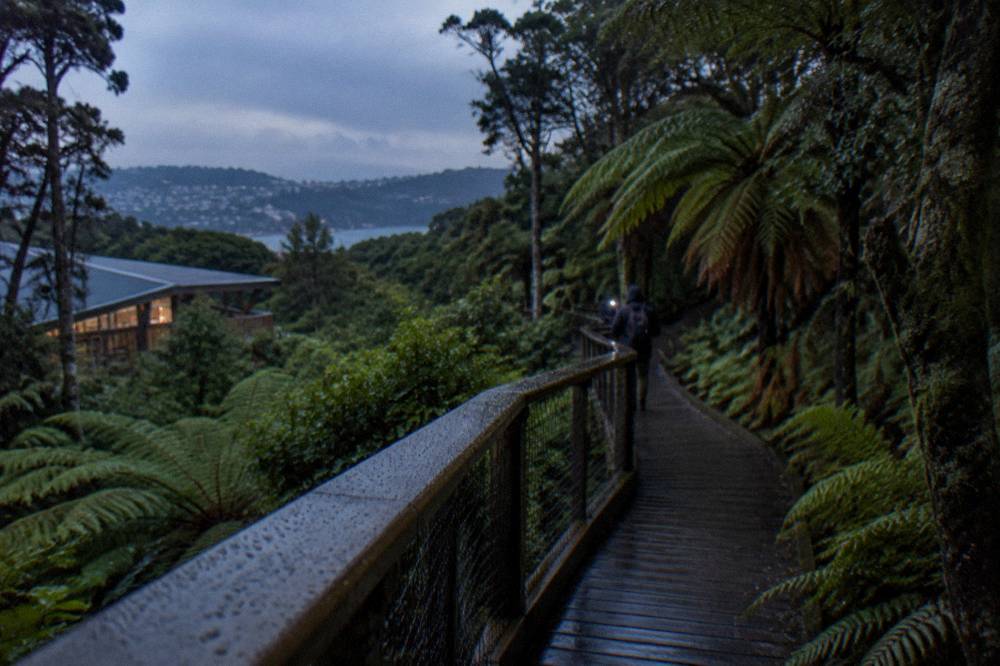
The Zealandia night tour, rated 4.8 across 162 reviews, is a guided walk in an urban ecosanctuary where the sanctuary has recorded more than 40 native bird species. It operates in all weather conditions, so you dress for whatever the night brings rather than waiting on a weather call, and the minimum age is 12. It does not centre on kiwi the way the other two do, which makes it the best fit for a general night-nature experience close to Wellington.
| Tour | Experience | Duration | Price | Kiwi basis |
|---|---|---|---|---|
| Kapiti Island overnight | Wild night walk in island reserve, stay at Waiorua | 2 days, 1 night | $401.73 per person for 2 days | Wild little spotted kiwi, no guarantee |
| Nga Manu Kiwi Night Encounter | Escorted dusk viewing at a habitat | 1 hour 30 minutes | $56.90 per person | Resident pair in a purpose-built habitat |
| Zealandia Night Tour | Guided sanctuary night walk | 2 hours 30 minutes | $68.97 per person | General night wildlife, min age 12 |
What Are The Rules And Fitness Requirements On The Island?
DOC requires bags to be inspected and unpacked before boarding, food kept in sealed containers, and a 10 metre distance from all wildlife, with weka and kaka noted as expert bag raiders. The operator asks that footwear and ground-contact gear be cleaned within 48 hours of sailing and that a biosecurity team screens everyone at check-in. Tracks are unpaved, the island is not wheelchair accessible, and the overnight booking asks for moderate fitness.
The biosecurity rules are not fine print; they are the reason the island is predator-free and the reason it stays that way. DOC records that kiore and Norway rats were removed by aerial drop in September and October 1996, leaving the island free of introduced mammals, and every visitor is part of keeping it that way. Check clothing, footwear and bags for pests, soil, seeds and plant material before you leave home, and expect open bags of food to be turned away. Prams are hard to manage on the tracks and a carrier is advised for small children; the age terms for the overnight sit on the booking page.
On the island itself: keep to formed tracks, pack out all rubbish including fruit pips and cores, no fires or portable cooking stoves, no smoking or vaping, take nothing off the island, do not feed wildlife, no pets, and drones need a permit. The full rules come from DOC's Kapiti Island Nature Reserve page, which is also the authoritative source on landing restrictions: private boats, kayaks, jetskis, paddleboards and swimmers may not land.
What Happens If The Weather Cancels Your Trip?
The overnight tour needs good weather, and if the skipper cancels for unsafe sea or weather you get another date or a full refund. The two Kapiti Island Nature Tours booking pages ask guests to phone between 7 and 7:15 am on the day to confirm the trip is going ahead, and in severe weather guests may have to stay extra time at no extra charge. Free cancellation up to 24 hours before the start also applies.
The 7 to 7:15 am call is the practical hinge of every island morning: the Rauoterangi Channel decides the day, and the skipper's judgement on sea conditions is what stands between the schedule and the refund. Sailings are usually daily from October to mid-May and Friday to Sunday in late May, June and September depending on demand, within a season that runs 1 September to 30 June.
For the night walk specifically, weather cuts two ways. Because no sighting is ever guaranteed, the weather risk is really a comfort and departure risk, and the refund structure, another date or a full refund on a skipper cancellation, is the operator's answer to it. The deeper dive on this topic lives in Kapiti Island tour weather and cancellations.
What Should You Pack For The Overnight Stay?
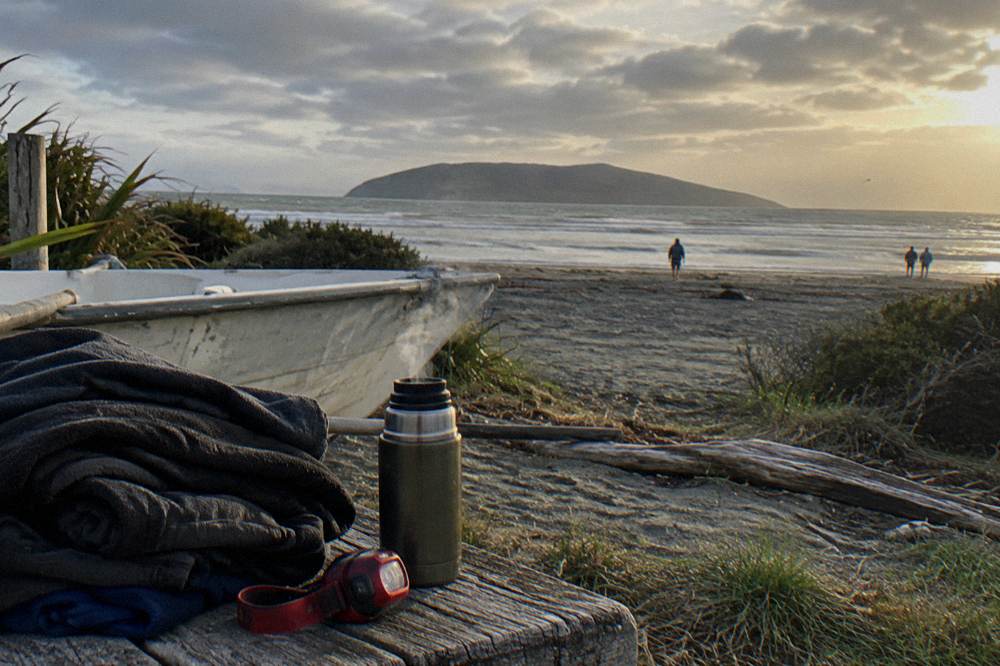
Pack for an unpaved island with no shop, no power in the cabins and untreated water: soft quiet clothing for the kiwi walk, a red-mode headtorch and spare batteries, sealed food containers, water, rain gear, and cleaned footwear and ground-contact gear cleaned within 48 hours of sailing. Meals are included, so food is about snacks, not sustenance.
The quiet-clothing point deserves its own line because it is the one item that directly affects the night walk's purpose. Nylon and jandals can disturb kiwi; wool and soft fleece are the standard choice, with warm layers for a night that can be cold and damp in any season. A headtorch with a red-light setting, and a spare, covers the walk between the cabin and the meeting point.
Everything else is biosecurity and self-sufficiency. Weka and kaka are inquisitive and expert at getting into bags, so keep belongings closed and out of reach. There is no shop and nowhere to buy food on the island, and the operator's FAQ asks guests to bring their own food unless the trip includes it, which the overnight does for its four main meals. The full checklist, including what to leave behind, is in What to bring on a Kapiti Island day trip, and the same rules govern an overnight bag.
Is The Overnight Kiwi Spotting Tour Worth It?
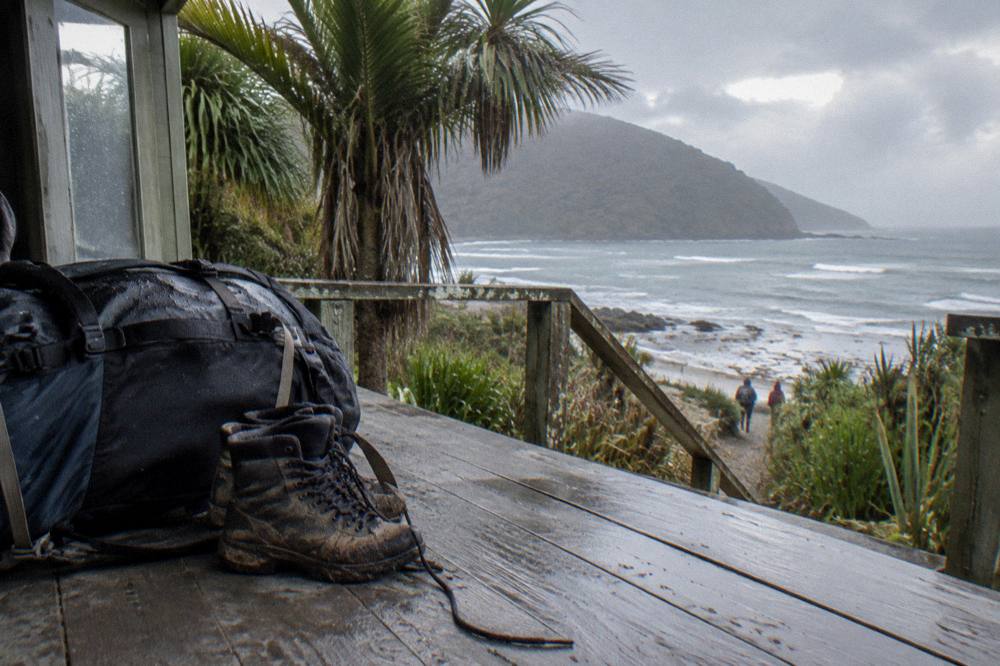
For a visitor whose specific goal is the possibility of a wild little spotted kiwi, the overnight is the only product on this site that delivers it, at $401.73 per person for 2 days with meals, ferry and permit included, rated 4.9 across 484 reviews. For a visitor with a general interest in native birds, the day tour at $186.78 or the Zealandia day tour at $40.23 covers most of the same daylight ground for less.
The honest calculation is about the night. Daylight Kapiti, the kaka, weka, tui, kereru and bellbird, plus the possibility of saddlebacks, stitchbirds and takahe that DOC says are often seen, is available on the 5 hour day tour. What the overnight adds is darkness over a predator-free island, a guided walk tuned for ruru, korora and kiwi pukupuku, and a morning on the island before the day boats arrive.
| Priority | Best fit | Why |
|---|---|---|
| Wild kiwi possibility at night | Overnight tour | Only product with a guided night walk on the island |
| Cheapest island day out | 5-Hour Day Tour | $186.78 per person, lunch included, 576 reviews |
| No driving from Wellington | 6-Hour Day Tour, Wellington Pickup | Shuttle from Wellington accommodation, cooked lunch |
| Kiwi viewing in a habitat | Nga Manu Kiwi Night Encounter | Resident pair in a purpose-built habitat, from $56.90 |
| Budget night wildlife near the city | Zealandia Night Tour | $68.97, guided, operates in all weather |
Readers still weighing the island against a mainland sanctuary will find the fuller argument in Kapiti Island tour or Zealandia tour, and the overnight stay options in detail in can you stay overnight on Kapiti Island. Accommodation options and dates for the overnight tour are chosen on the booking page.
Common Questions About The Kapiti Island Overnight Kiwi Spotting Tour
Can You See Kiwi On Kapiti Island?
You can look for them: the overnight trip includes a guided night walk looking for ruru, korora and kiwi pukupuku, the little spotted kiwi, a species DOC describes as extinct on the mainland. The operator is clear that it cannot guarantee a kiwi sighting, because the birds are wild.
Where Do You Sleep On The Kapiti Island Overnight Tour?
On the operator's private land at Waiorua Bay, in a cabin, tent or ensuite, each with its own rate. DOC does not permit overnight stays inside the nature reserve itself, so the stay is always framed as private land beside the reserve.
How Much Does The Kapiti Island Overnight Kiwi Tour Cost?
From $401.73 per person for 2 days, including the return ferry, DOC permit, meals, dinner, breakfast and two lunches, and the guided night walk. The accommodation tier you choose changes the rate above that floor.
What Happens If The Weather Cancels The Overnight Tour?
The trip needs good weather. If the skipper cancels for unsafe sea or weather, you get another date or a full refund, and free cancellation up to 24 hours before the start applies in any case. In severe weather, guests may have to stay extra time on the island at no extra charge.
Is The Overnight Tour Or The Nga Manu Kiwi Night Encounter Better?
They are different experiences. Nga Manu, from $56.90 per person, is an escorted dusk viewing of a resident pair of North Island brown kiwi in a purpose-built habitat at Waikanae. The Kapiti overnight is a night walk among wild little spotted kiwi in an island reserve, with no sighting guarantee.
Do You Need To Be Fit For The Overnight Tour?
The booking asks for moderate fitness, the tracks are unpaved, and the landing is a stony beach by ramp. The island is not wheelchair accessible, and prams are hard to manage, with a carrier advised for small children.