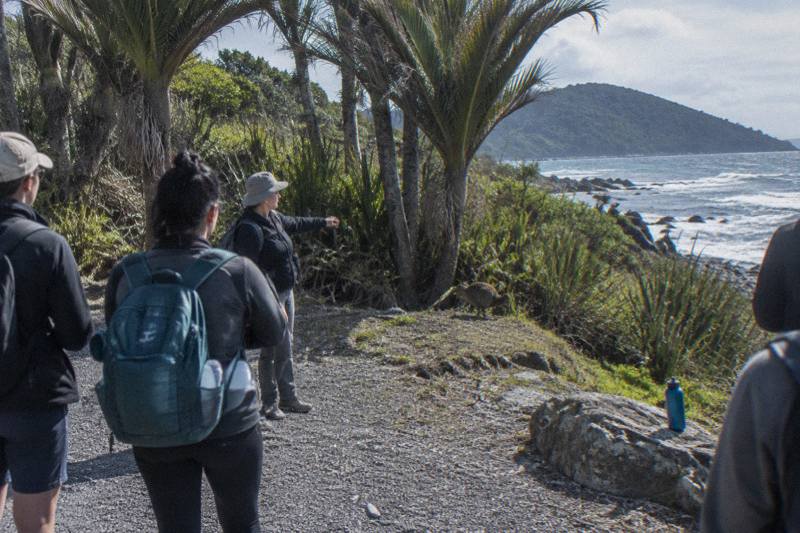
Free Things To Do On The Kapiti Coast Around Your Kapiti Island Trip
A Kapiti Island trip is a paid day out, but the hours around it do not have to be. Here is what is genuinely free on the Kapiti Coast, what is not, and where a paid tour fills the gap.
Short answer
The free options around a Kapiti Island trip are narrow but real: free parking at the Kapiti Boating Club area at Paraparaumu Beach, the public beach itself, a pay-what-you-want two hour Wellington city walk on GuruWalk, and viewing the protected Kapiti Marine Reserve water from shore. Nga Manu and Zealandia are paid, and the island itself is only reachable on a paid tour.
Kapiti Island sits 5 km off the coast, predator-free, closed to private boats, and reachable only with an approved operator. That makes the island itself a paid experience, full stop. But the mainland side of the day, the Kapiti Coast, holds a small set of genuinely free pleasures, and knowing exactly what they are stops a day drifting into unplanned spending or, worse, into a disappointing detour toward something that turns out to carry a ticket.
This page is deliberately honest about the limits.
What Free Things Are There To Do On The Kapiti Coast?
The genuinely free options are free parking at the Kapiti Boating Club area and the public beach at Paraparaumu Beach, the sea views from that shoreline, a pay-what-you-want two hour Wellington city walk, and looking out over the protected waters of the Kapiti Marine Reserve from the coast. Everything else nearby that features in a Kapiti day, Nga Manu, Zealandia and the island itself, is a paid experience. For working out how the paid attractions and free stops fit into a single day, the guide to a full Kapiti Coast day around a Kapiti Island tour covers the timings and prices.
The Kapiti Coast's headline attractions are conservation experiences, and conservation in New Zealand runs on tickets: reserve entry funds the predator control that makes places like Kapiti Island what they are. DOC describes Kapiti as one of the largest accessible island bird sanctuaries in the country, and access is by approved operators only, with private boats, kayaks, jetskis, paddleboards and swimmers all barred from landing. There is no free route onto the island, and any page offering one is selling something else.
Here is the honest shape of a day, free parts and paid parts together:
| Option | Cost | Where | What it actually is |
|---|---|---|---|
| Paraparaumu Beach and foreshore | Free | Paraparaumu Beach | Public beach, sea views toward Kapiti Island |
| Parking near the boat departure | Free, public car park at the Boating Club (operator) | Paraparaumu Beach | Parking for the day, no beach parking |
| Kapiti Marine Reserve from the shore | Free to look | Between the mainland beaches and the island | Protected water; no fishing of any kind |
| GuruWalk Wellington city walk | Pay what you want, cash only | Starts at Civic Square, Wellington | 2 hour English city walk, no birds, no island content |
| Nga Manu Nature Reserve | Paid | Waikanae | 14 ha reserve, kiwi and tuatara in a nocturnal house |
| Zealandia | Paid | Karori, Wellington | Ecosanctuary, guided tours from $40.23 per person |
| Kapiti Island itself | Paid tour only | Ferry from Paraparaumu Beach | Day tours from $186.78 per person, one operator |
See this free tour on GuruWalk
The rest of this page walks through each free item in turn, then covers the honest gap the free options leave: nothing free reaches the water, let alone the island.
Is The GuruWalk Wellington City Walk A Free Option Before Your Kapiti Island Trip?
Yes, with conditions: it is a pay-what-you-want, cash only, two hour English walking tour of central Wellington that starts at Civic Square, run on GuruWalk. Booking and cancellation are free. It is a city walk with no birds and no island content, so it complements a Kapiti Island trip rather than replacing any part of one.
A word on what "free" means here, because it matters. The walk is free to book and free to cancel, and there is no fixed price, but the model is pay what you want in cash at the end. If you enjoy it, the guide expects something. Treating it as a zero-cost activity is not quite honest, and the guide's work deserves better than that anyway.
What the walk does cover is Wellington's compact city centre, which pairs sensibly with a Kapiti Coast day in one specific way. If you are staying in Wellington and travelling up to Paraparaumu Beach for a ferry, a city walk the day before or the evening after uses hours that would otherwise cost money to fill. Read the Wellington to Kapiti Island day trip guide for how the two halves of that plan fit together.
What the walk does not cover is the coast. It spends its full two hours in the city, on streets and squares rather than shoreline or bush. It offers no native birds, no island views and no marine reserve. That gap is not a flaw in the walk, it is simply what it is, and it is the reason the paid half of a Kapiti day exists at all.
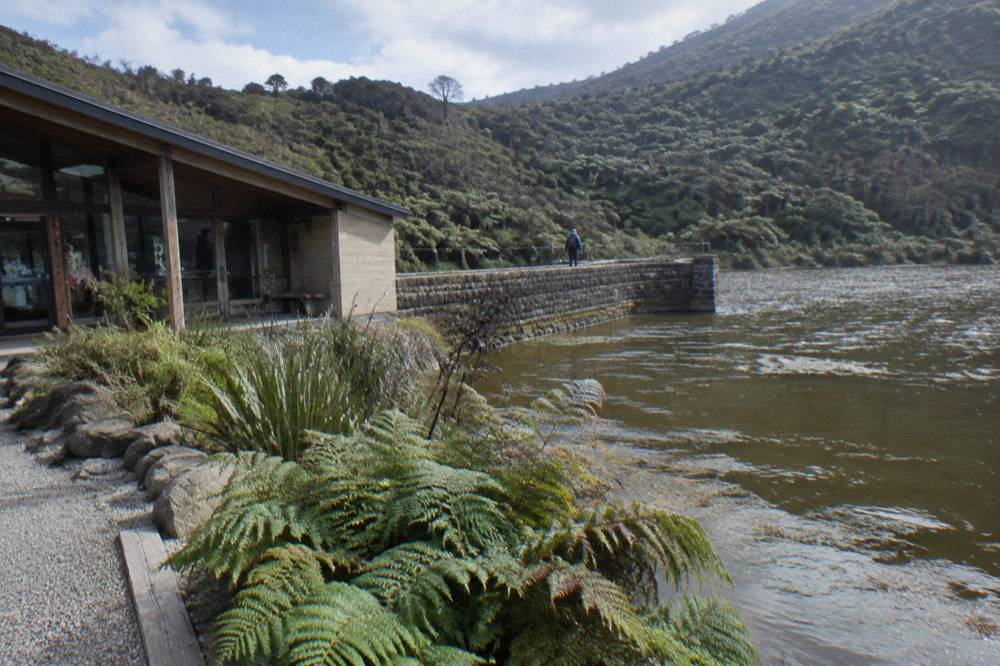
This is the honest fork in the road. The free walk fills a Wellington evening nicely. It does nothing for the thing you came for, which is the island.
Where Is Free Parking At Paraparaumu Beach?
Parking near the Kapiti Island boat departure is free: the operator lists a free public car park at the Kapiti Boating Club at Paraparaumu Beach, and visitors can also park at the Boating Club or in the carpark across the stream, per DOC. Parking on the beach is not allowed. Check-in for island trips is at the operator office on Marine Parade, 20 to 40 minutes before sailing.
For anyone driving to a Kapiti Island tour, this free parking is the single most useful free thing on the coast, because it removes the one cost that quietly inflates a day out. Paraparaumu Beach sits roughly an hour north of Wellington by road, per DOC, so most visitors from the capital arrive by car, and a full day of city-rate parking would sting. The operator's free public car park at the Boating Club solves that before it starts.
The geography is easy once you are there. The boats leave from the Kapiti Boating Club; the operator's office and check-in is on Marine Parade; the crossing itself takes about 15 to 20 minutes, in the operator's wording. Arrive early enough to park, walk to check-in and let the biosecurity team screen your bags, because every bag is inspected before boarding. Open bags of food are not allowed, and footwear and ground-contact gear should be cleaned within 48 hours of sailing, per the operator.
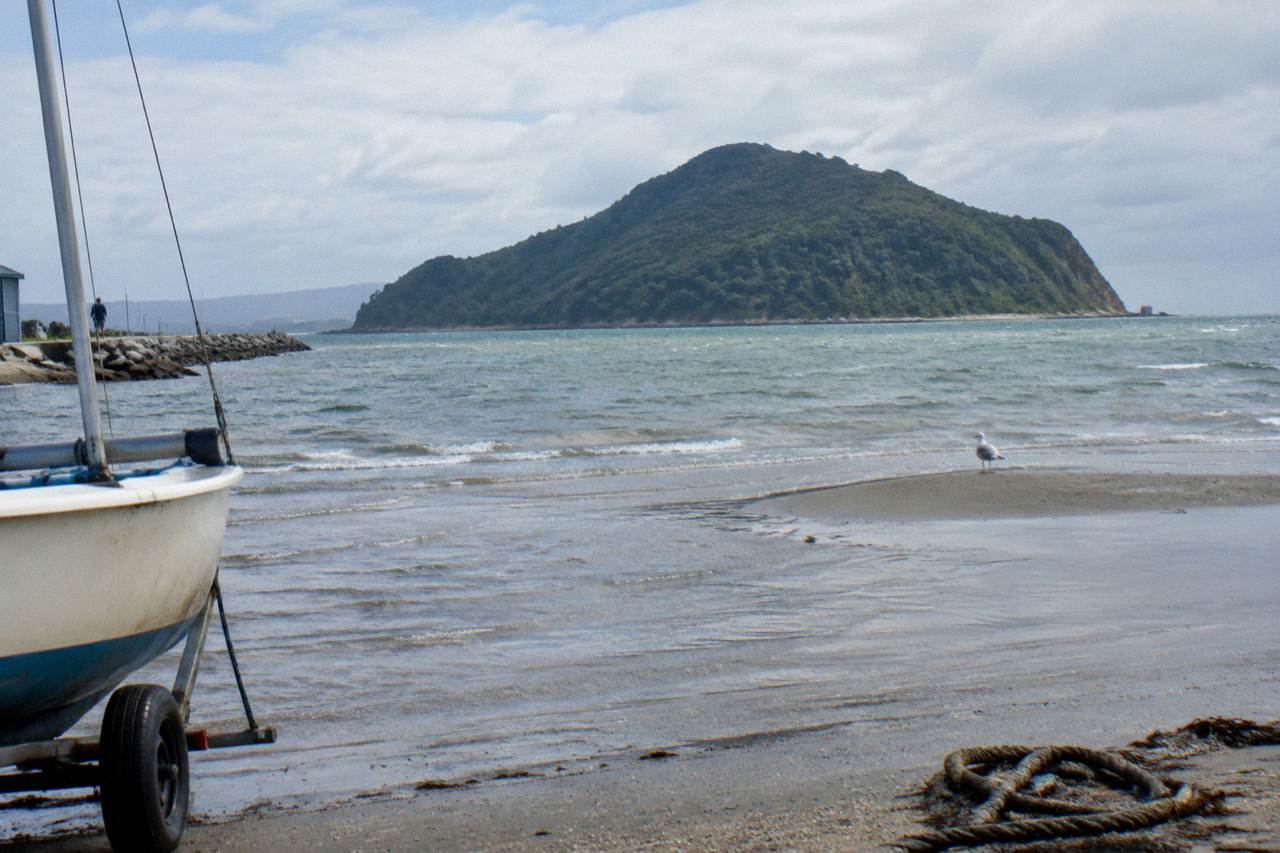
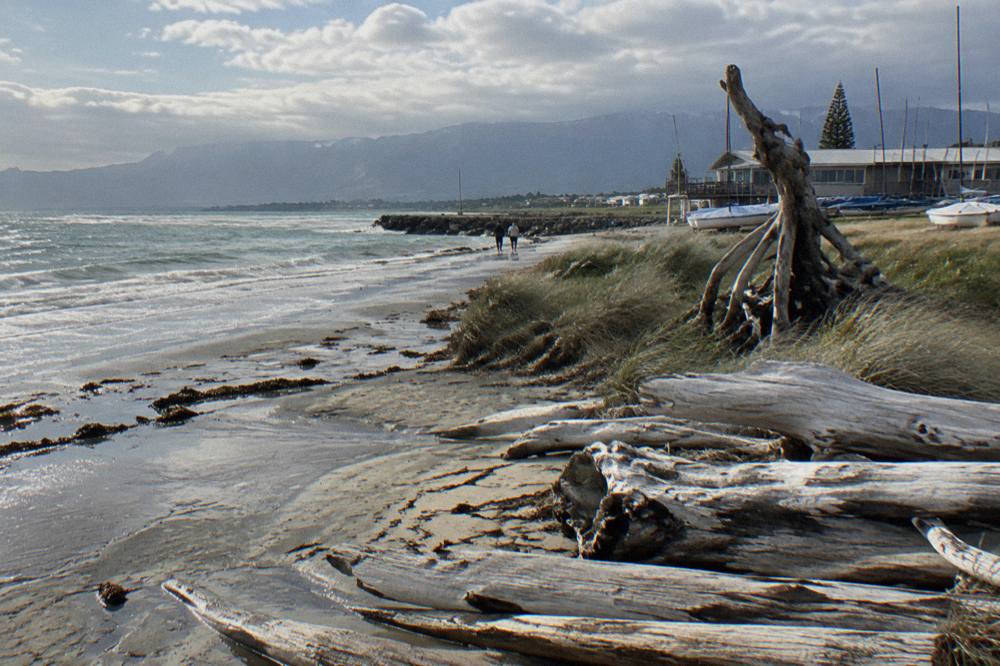
The beach itself is the other half of this free stop. Paraparaumu Beach is a public beach with Kapiti Island sitting across the water, and the view costs nothing. On a clear evening it is the best free look at the island you will get without a ferry ticket, and it is a genuine pleasure rather than a consolation prize. If your trip is in the shoulder season, note that the operator's season runs 1 September to 30 June, with sailings usually daily from October to mid-May and Friday to Sunday in the quieter months.
Parking is not available at the beach. The operator says plainly that there is no parking on the beach, and the council's Beach Bylaw 2021 governs vehicle access around the Boating Club area. Kapiti Coast District Council is exploring options to better manage vehicle access at the Boating Club and the nearby beach accessways, and no decisions have been made, so use the car park and enjoy the walk.
Is The Beach Itself Worth Free Time Before Or After Your Tour?
Yes, and it rewards a slower look. Paraparaumu Beach faces the Rauoterangi Channel, a stretch of water named after Kahe Te Rauoterangi's historic swim, and looks directly at an island reserved as a bird sanctuary in 1897 and stewarded by DOC since 1987. The foreshore is public, the views are uninterrupted, and an hour here pairs naturally with a ferry day.
The beach is more than a waiting room for the boat. Standing on the sand at Paraparaumu, you are looking at a conservation story that is nearly 130 years old: the island was reserved as a bird sanctuary in 1897, local tangata whenua kept 13 ha around Waiorua Bay where the operator's lodge stands today, and DOC took stewardship in 1987. The channel in front of you carries the name of Kahe Te Rauoterangi's swim, and Te Rauparaha of Ngati Toa was dominant on the island by 1823, per DOC. Whaling trypots and farming followed from about 1850.
None of that history costs a cent to stand and think about, and it is the richest free experience the coast offers. The practical version is simple: arrive early, park free at the Boating Club car park, and walk the foreshore before check-in. The island sits 5 km offshore, about 10 km long and about 2 km wide, with its highest point Tuteremoana at 521 m, so it fills the horizon on a clear morning and photographs well from the sand.
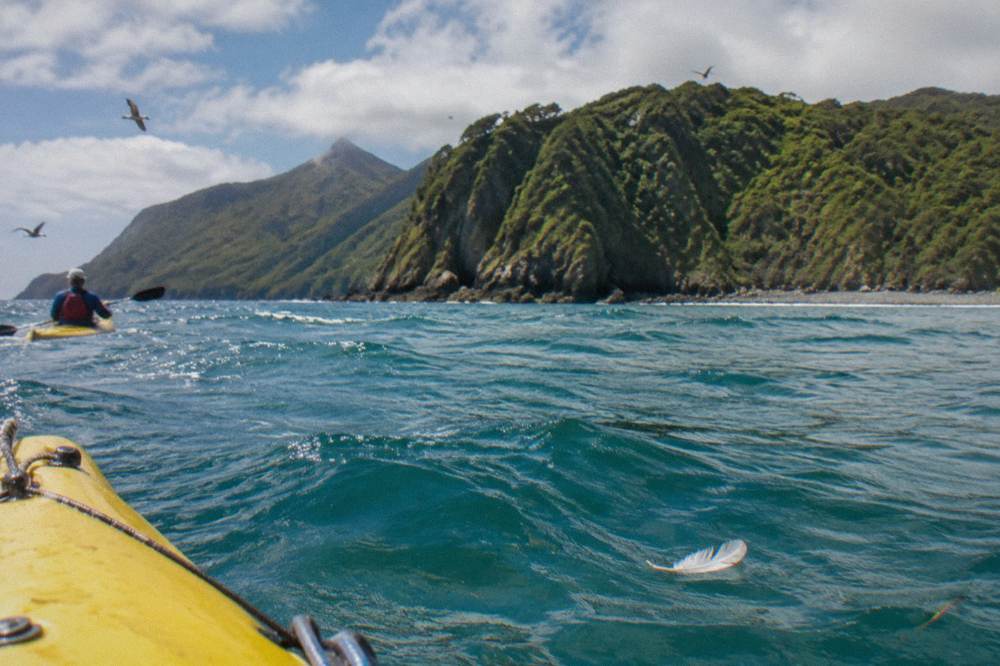
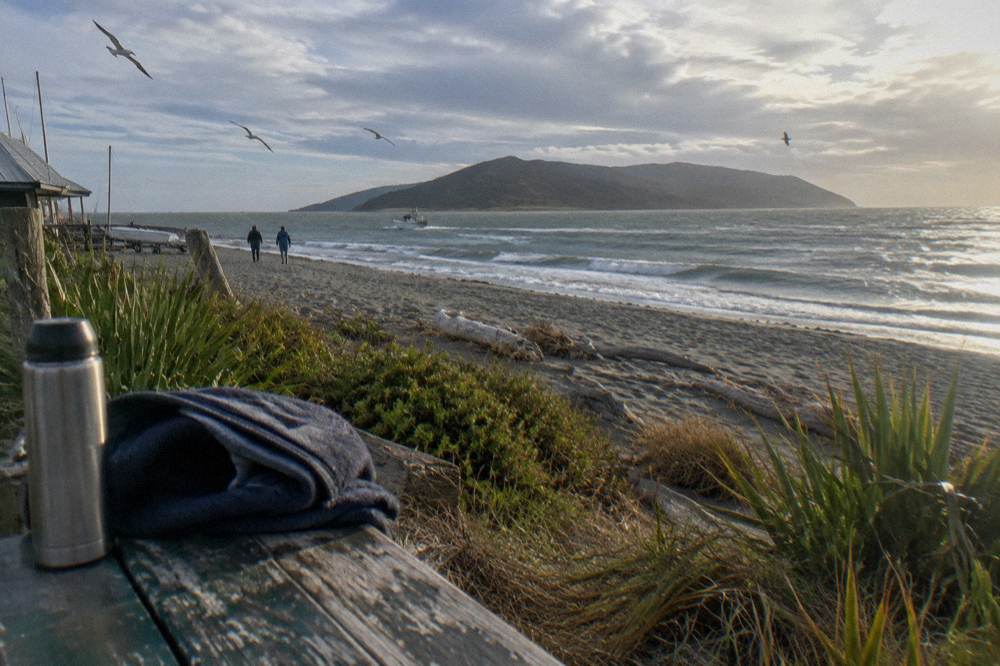
The evening after a tour works just as well. Gannets, fluttering shearwaters and little blue penguins are among the seabirds DOC names as "often" on the boat trip. No sighting is promised, and luck decides the rest, but the watching itself is free. For what a day on the island actually holds once the ferry has taken you over, read the what to do on a Kapiti Island tour guide.
Can You Enjoy The Kapiti Marine Reserve For Free From The Shore?
Partly. Looking at the water is free, and DOC protects two areas of sea between the Paraparaumu and Waikanae beaches and Kapiti Island as the Kapiti Marine Reserve, established in 1992, spanning 2,167 ha. But no fishing of any kind is allowed, nothing may be taken or disturbed, fish may not be fed, and reaching the island's shores to snorkel requires travelling there with a permit.
The reserve is the coast's quiet free spectacle. From the sand at Paraparaumu you are looking across the Rauoterangi Channel at a marine reserve on one side and a predator-free island nature reserve on the other, two protected layers stacked in one view. DOC names blue moki, kingfish, seals and dolphins in the reserve's waters, and the seabirds over the channel are part of the free show from shore. No sighting of any marine mammal is ever promised; DOC's own phrasing is that orca, seals and korora appear only "if you're really lucky." More of these guides are collected on Kapiti Island Tours.
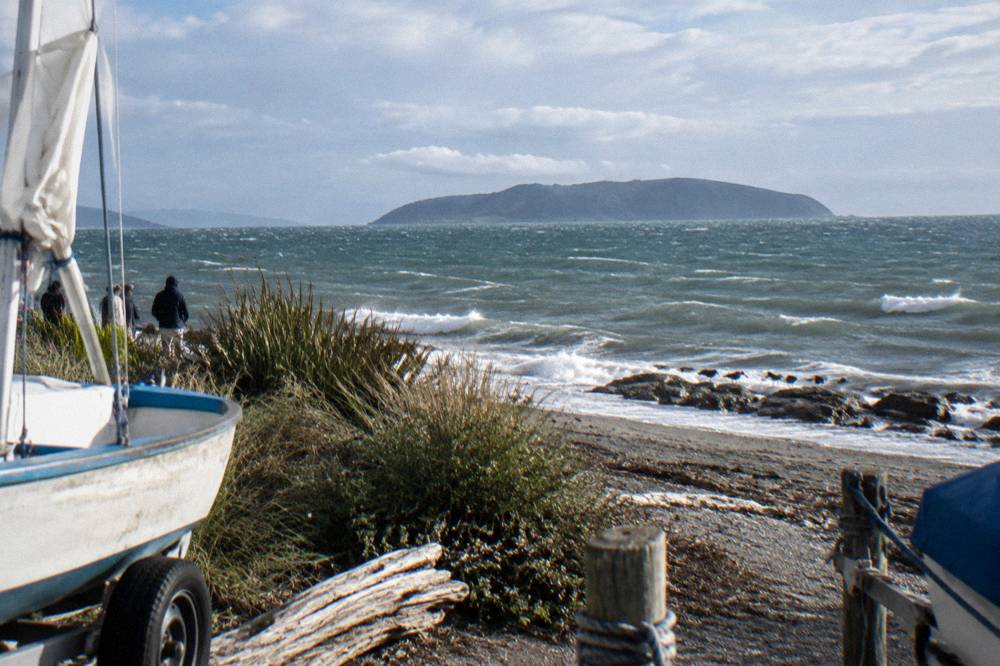
What the free view does not include is participation. The reserve's rules are strict, and for good reason: the protection that keeps the channel full of life is exactly what a take-anything visitor would erode. The table below is the short version.
| Activity in the Kapiti Marine Reserve | Allowed from shore? |
|---|---|
| Watching the water, seabirds and island views | Yes, free |
| Fishing of any kind | No |
| Taking or disturbing anything | No |
| Feeding fish | No |
| Snorkelling from the island's shores | Only with a permit, via travel to the island |
| Drones near marine mammals | Authorisation needed |
That last barrier is the honest point of this section. The shore gives you the view; the island gives you the reserve from inside it. The ferry crossing that a paid tour includes passes through this protected water, which is the closest a day visitor gets to the marine reserve beyond binocular range.
Why Are Nga Manu And Zealandia Paid Stops Rather Than Free Ones?
Both are paid attractions: Nga Manu Nature Reserve at Waikanae is a 14 ha reserve run by the Nga Manu Trust since 1974, and Zealandia in Karori is a predator-fenced ecosanctuary open every day except Christmas Day. Neither publishes free entry.
They appear on every Kapiti Coast itinerary for good reason. Nga Manu holds one of the largest remnants of coastal lowland swamp forest on the coast, aviaries with kea, kaka, kereru and kakariki, a nocturnal house with kiwi and tuatara, a 400-year-old kahikatea, and eel feeding daily, and it is open 10 am to 5 pm daily except Christmas Day. Zealandia has recorded more than 40 native bird species, 24 of them endemic, with the sanctuary open 9 am to 5 pm and last entry at 4 pm.
There is a middle path that is a paid tour rather than a gate ticket, and it is the one this site can put real numbers on. The Nga Manu Kiwi Night Encounter is from $56.90 per person for 1 hour 30 minutes: an informational session, then an escorted dusk viewing of a resident pair of North Island brown kiwi in a purpose-built habitat, in a group of at most 10, with no photography. Six reviews sit on its page. It runs in a Thursday to Sunday window, and free cancellation applies up to 24 hours before the start. Planning your own travel to the reserve at Waikanae is part of the deal.
It is worth being precise about the kiwi here, because the two coast experiences get confused. Nga Manu's kiwi are a resident pair in a purpose-built habitat. The wild kiwi on Kapiti Island are little spotted kiwi, a species extinct on the mainland, and no tour promises a sighting of either; the island's operator says outright that it cannot guarantee a kiwi sighting. The kiwi spotting tours near Wellington guide unpacks the differences across every option.
What Does A Paid Kapiti Island Trip Add Over The Free Options?
A paid trip adds the only thing the free options cannot give: the island itself. The Classic Guided Day Tour is from $186.78 per person for 5 hours, rated 4.8 across 576 reviews, including the ferry, the DOC permit, a guided walk of about an hour and lunch. It starts at 08:45 at Paraparaumu Beach, and free cancellation applies up to 24 hours before the start.
Every free item on this page shares one boundary: the shoreline. The beach, the parking, the marine reserve view, the city walk, all of it happens with the island in front of you rather than underfoot. Kapiti Island is a DOC nature reserve where access runs through approved operators only; there is no public ferry, no free landing, no walk-on option. One operator, Kapiti Island Nature Tours, holds the DOC-listed concession for transport, guided walks, overnight kiwi spotting tours and lodge accommodation, and this site's three island trips are all that one operator's products.
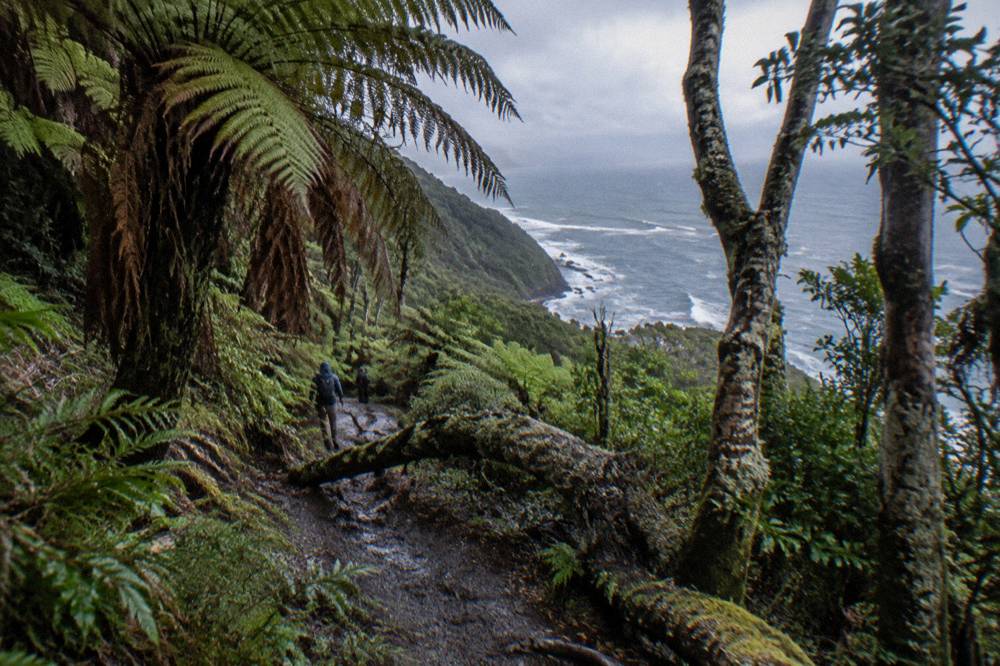
The Classic Guided Day Tour is the entry point: from $186.78 per person, 5 hours, guide included, lunch at the lodge, check-in at the operator office on Marine Parade. Its booking pages ask guests to phone between 7 and 7:15 am on the day to confirm the tour is going ahead, because trips are weather dependent and the skipper cancels for unsafe sea or weather, offering another date or a full refund. That weather honesty is part of the deal with an island 5 km offshore, and the Kapiti Island tour weather and cancellations guide covers it in depth.
What the fee buys, concretely, is an island where DOC records the rat eradication of September and October 1996, kept safe today by strict biosecurity. Hihi, kokako, takahe, brown teal and saddleback have been transferred there since the 1980s; DOC says saddlebacks, stitchbirds and takahe are often seen. The island's story is a conservation story, and the ticket is what funds its continuation.
How Do You Fit Free And Paid Time Into One Kapiti Coast Day?
Pair the free morning with the paid core: park free at the Boating Club, walk the beach before check-in, take the island tour as the centrepiece, and use the free shoreline and marine reserve views for the afternoon. If your trip leaves from Wellington instead, the pay-what-you-want city walk slots into the day before or after, since the shuttle-based day tour runs 6 hours including the Wellington shuttle legs.
A sample shape:
| Time block | Activity | Cost |
|---|---|---|
| Morning, before check-in | Free parking, beach walk at Paraparaumu Beach | Free |
| Mid-morning | Check-in on Marine Parade, biosecurity screening, ferry crossing of about 15 to 20 minutes | Part of the tour |
| Midday | Guided walk and lunch on Kapiti Island | Tour, from $186.78 per person |
| Afternoon | Marine reserve views from the sand | Free |
| Evening (Waikanae, Thu to Sun window) | Kiwi Night Encounter at Nga Manu | From $56.90 per person |
| Day before or after, Wellington | GuruWalk city walk from Civic Square | Pay what you want, cash only |
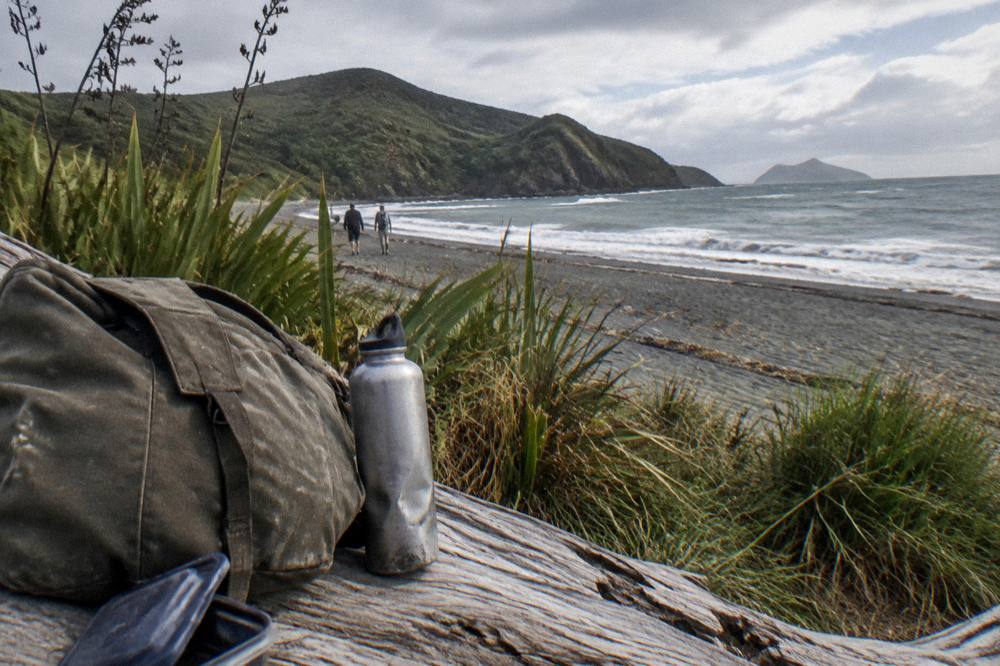
Two practical notes make the day smoother. First, pack with the island's rules in mind: sealed food containers, no open bags, cleaned footwear, and nothing taken off the island. Weka and kaka are inquisitive and expert at getting into bags, so keep belongings out of reach, keep 10 m from wildlife, and pack out all rubbish including fruit pips and cores. The what to bring on a Kapiti Island day trip guide has the full checklist. Second, remember there is no shop on the island and nowhere to buy food, and DOC advises bringing your own water because all water on the island is untreated. The tour's lunch covers the meal; the free afternoon back on the mainland is where a thermos earns its keep.
If your base is Wellington rather than the coast, the same logic applies with the shuttle variant: the 6-Hour Day Tour with Wellington Pickup is from $305 per person and includes the accommodation shuttle, the ferry and a cooked lunch. The free city walk then fills a different day entirely.
One more paid option deserves a slot if wildlife is the reason you came, and it sits on the Wellington side rather than the coast. The Seal Coast Safari is from $112.07 per person for 3 hours 30 minutes, rated 4.9 across 372 reviews, with pickup and drop-off direct from cruise ships and a group of at most 10. It travels through Otari-Wilton's Bush and across Terawhiti Station's private farmland by 4WD to Cape Terawhiti. No sighting is guaranteed, and it runs only in good weather, with another date or a full refund if the weather cancels it.
The short version of this whole page: the free Kapiti Coast is a beach, a car park, a view and a city walk. They are good, and they cost almost nothing. The island, the kiwi after dark and the wild coast are the paid half of the region, and no free alternative to any of them exists.
Common Questions About Free Things On The Kapiti Coast
Is The GuruWalk Wellington City Walk Really Free?
It is free to book and free to cancel, but the model is pay what you want in cash at the end, so treat it as a tipped tour rather than a zero-cost one. It runs 2 hours in English from Civic Square with an independent local guide.
Is There Free Parking At Paraparaumu Beach For A Kapiti Island Tour?
Yes. The operator lists a free public car park at the Kapiti Boating Club, and DOC notes visitors can also park at the Boating Club or the carpark across the stream. There is no parking on the beach.
Can You Visit Kapiti Island For Free?
No. The island is a DOC nature reserve reached only with approved operators, and private boats may not land. Day tours start from $186.78 per person, and the DOC permit is included in the operator's trips.
Are Nga Manu And Zealandia Free?
No, both are paid. This site carries verified prices for guided tours at each rather than gate admission, so check current admission directly with each reserve before you go.
Is The GuruWalk City Walk A Substitute For A Kapiti Island Tour?
No. The walk covers central Wellington's streets and squares only, with no birds, no island content and no coast. It fills a free evening in the city; the island itself needs a paid tour.
Can You Fish In The Kapiti Marine Reserve From The Shore?
No. The reserve, established in 1992, prohibits fishing of any kind, and nothing may be taken, disturbed or fed. Watching the water and seabirds from the beach is free.