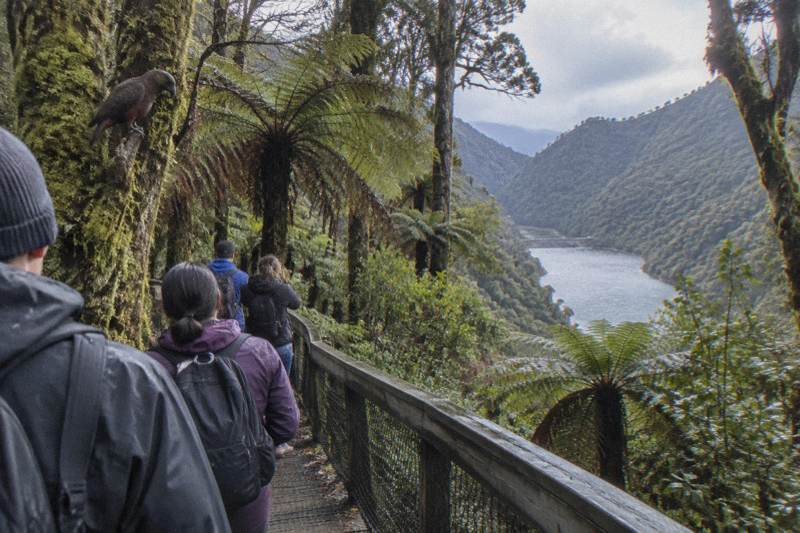
Is A Kapiti Island Tour Or A Zealandia Tour Better For Native Birds?
A side-by-side comparison of Kapiti Island tours and Zealandia tours for native bird watching: bird lists, settings, prices, durations, kiwi spotting and which one fits your trip.
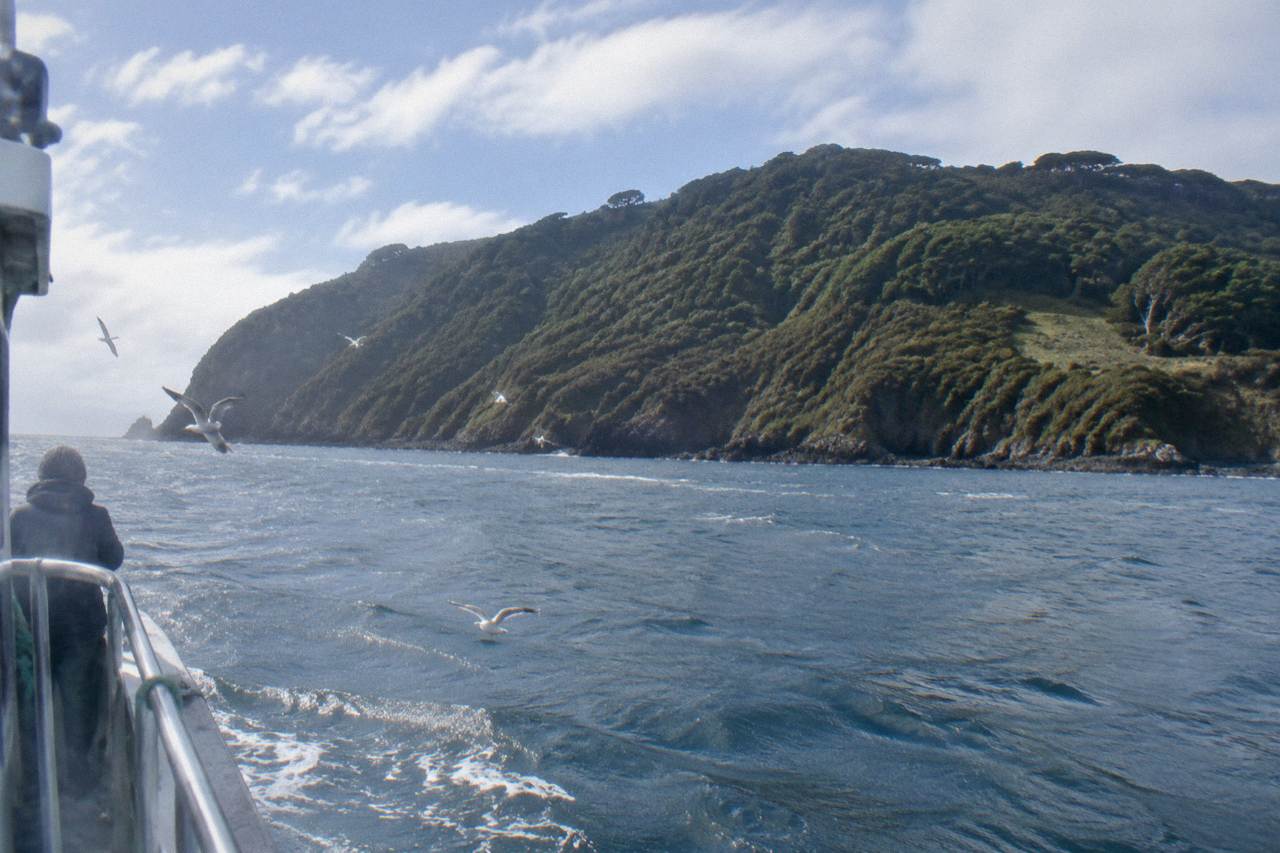
Neither is simply better: Kapiti Island offers a full-day predator-free island reserve with a boat crossing and a longer wild bird list, while Zealandia offers a guided 2-hour to 2-hour-30-minute walk inside a fenced Wellington valley sanctuary, from $40.23 per person against the Kapiti Classic Guided Day Tour from $186.78 per person. Neither tour promises any bird sighting.
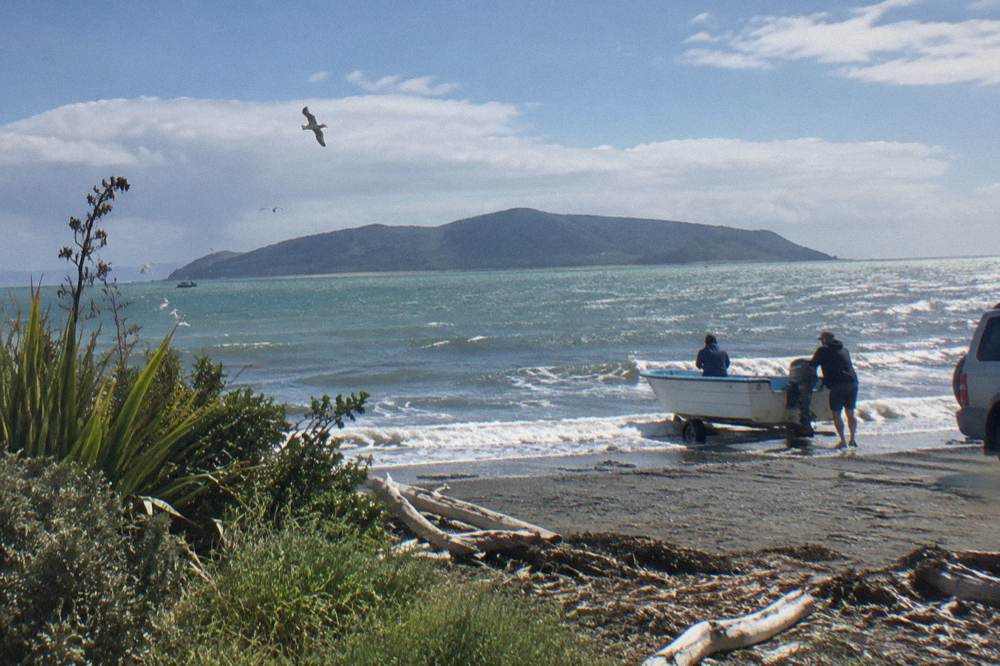
The honest answer depends on what kind of bird experience you want, how much time you have, and where you are staying. Kapiti Island is a DOC nature reserve 5 km off the Kapiti Coast, about 10 km long, reserved as a bird sanctuary since 1897, and DOC removed kiore and Norway rats by aerial drop in September and October 1996. You reach it by boat with the single DOC-listed concessionaire, Kapiti Island Nature Tours, and you spend five hours or more on an island where kaka, weka, takahe, saddleback and hihi all live wild. Zealandia, by contrast, is a fenced eco-sanctuary in the Karori valley, a short drive from central Wellington, with more than 40 native bird species recorded and 24 of them endemic. You meet your guide at the entrance and walk for 2 hours to 2 hours 30 minutes, depending on the tour. If the fenced sanctuary sounds like the better fit for your trip, the guide to Zealandia's tour options, prices and overall value makes the comparison easy.
Neither destination guarantees a species. DOC names the birds recorded at Kapiti and says saddlebacks, stitchbirds and takahe are often seen, but orca, seals and korora appear on its lists only as "if you're really lucky". Zealandia records a large species list, but a daytime walk sees the daytime birds.
What Native Birds Can You See On Kapiti Island?
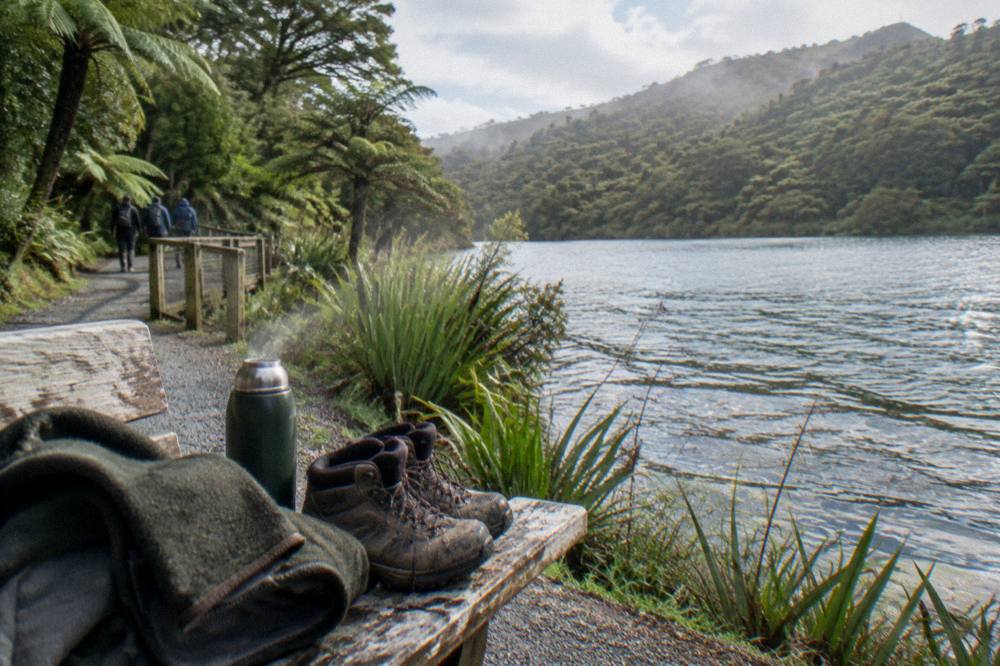
Kapiti Island's DOC bird list is long for its size: transferred species hihi, kokako, takahe, brown teal and saddleback live alongside kereru, kaka, weka, North Island robin, tomtit, whitehead, tui, bellbird, fantail and silvereye, with gannets, shearwaters and little blue penguins often seen from the boat. No tour promises any particular species.
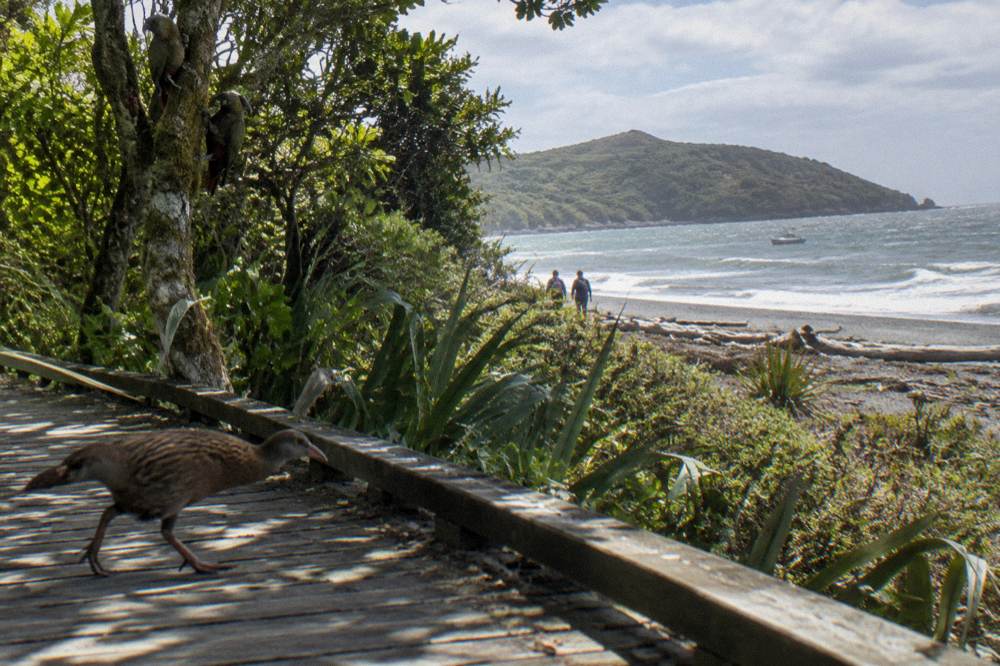
DOC describes Kapiti as one of the largest accessible island bird sanctuaries in New Zealand. Hihi, kokako, takahe, brown teal and saddleback have been transferred there since the 1980s. Weka and kaka are famously inquisitive and expert at getting into bags, which is why DOC asks visitors to keep belongings out of reach.
The boat trip itself adds a marine layer. DOC names gannets, fluttering shearwaters and little blue penguins as "often" seen on the crossing through the Rauoterangi Channel, and the waters on either side of the island form the Kapiti Marine Reserve, established in 1992, where blue moki, kingfish, seals and dolphins are named residents. Seabirds, shorebirds and forest birds in one morning is the island's real pitch, and it is a pitch no mainland sanctuary can copy.
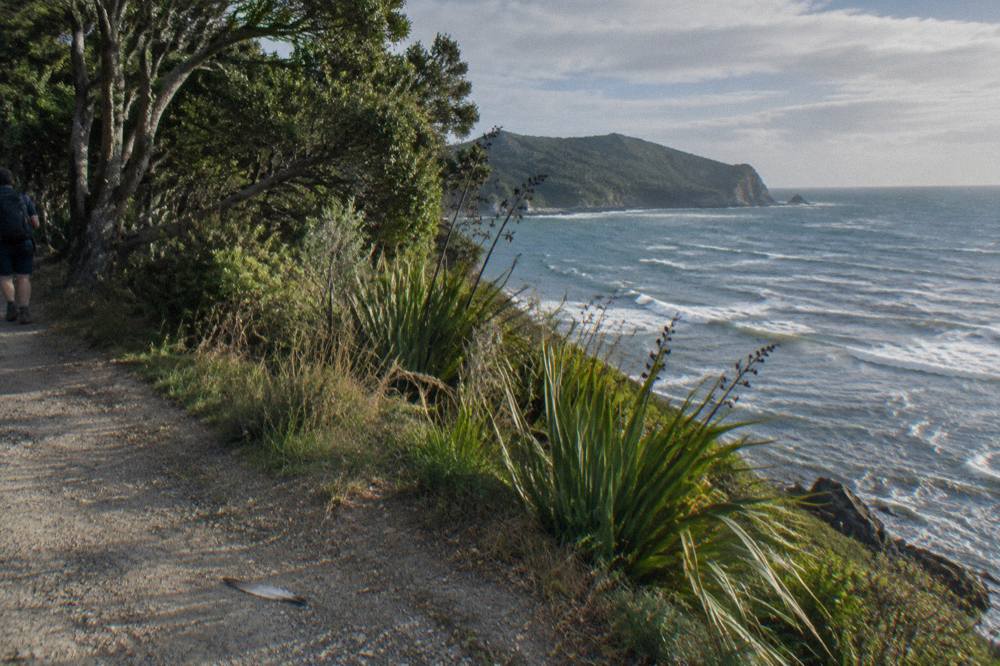
What the island cannot do is promise. DOC says saddlebacks, stitchbirds and takahe are often seen, but the operator itself says it cannot guarantee a kiwi sighting, and the same honesty applies to every other species. Season matters too: the long-tailed cuckoo appears in summer only, and the North End's Boulder Bank Loop closes from October to March for nesting seabirds. The bird list is the reason to go, but it is a list of probabilities, not a menu.
What Native Birds Can You See At Zealandia?
Zealandia has more than 40 native bird species recorded, 24 of them endemic, inside a predator-exclusion fence in the Karori valley. As with Kapiti, no Zealandia tour on this site promises a specific sighting.
Zealandia's published species record is the strongest number in this comparison: more than 40 native bird species recorded in the sanctuary, 24 endemic. The valley is protected by a predator-exclusion fence rather than by the sea, and that difference shapes the birding. The birds are wild but concentrated inside a valley you can walk in two hours, and the whole experience sits inside Wellington's city boundary rather than an hour up the coast.
- Zealandia Tours$40.23
- Kapiti Coast Nature Tours$56.90
- Wellington Seal Coast Tours$112.07
- Kapiti Island Tours$186.78
The three Zealandia tours on this site cover different parts of the day. The Zealandia by Day small group tour is a guided 2-hour daytime walk from $40.23 per person, rated 4.8 across 248 reviews, with a group cap of 12. The twilight tour, from $63.22 per person and rated 4.8 across 79 reviews, runs 2 hours 30 minutes as the daytime birds settle, with a minimum age of 5 and coffee or tea included. The night tour, from $68.97 per person and rated 4.8 across 162 reviews, also runs 2 hours 30 minutes, minimum age 12, and walks the valley after dark.
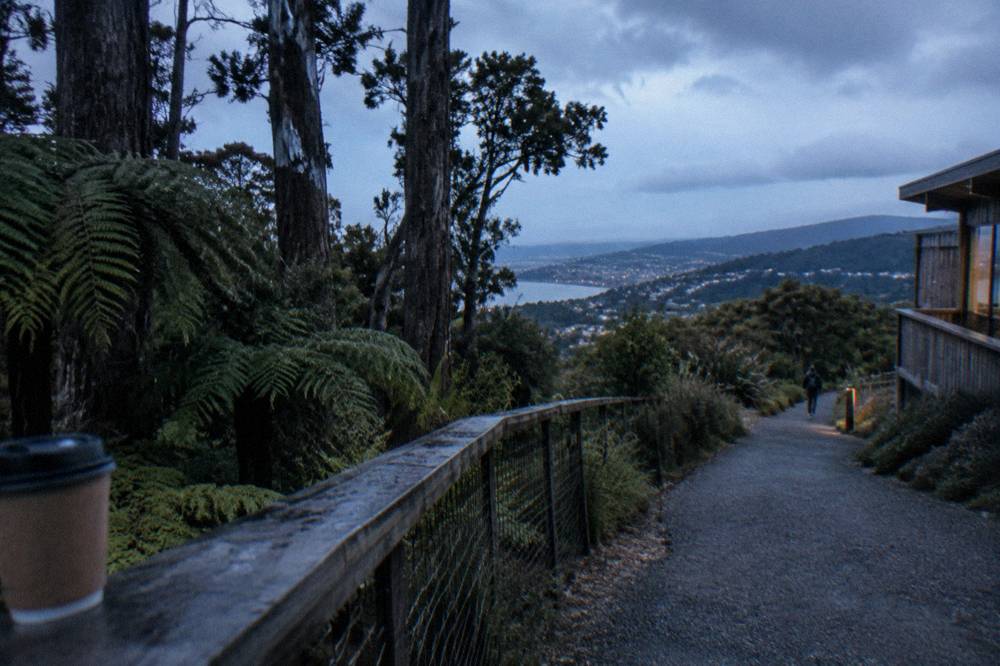
Zealandia's strength is access. You meet your guide at 53 Waiapu Road in Karori, you are walking within minutes, and every Zealandia tour on this site runs with a guide and a group cap of 12. All three operate in all weather conditions; the advice is simply to dress for it. For a traveller with a free morning in Wellington and no wish to organise a full day on the coast, the sanctuary delivers a genuine native bird experience in a quarter of the time an island trip takes. Zealandia's own visitor information covers opening hours and sanctuary access at visitzealandia.com.
How Do The Island And The Sanctuary Compare As Settings?
Kapiti Island is a 1,965-hectare offshore nature reserve reached by a boat crossing of about 15 to 20 minutes from Paraparaumu Beach, roughly an hour north of Wellington; Zealandia is a fenced valley sanctuary reached by meeting a guide at the Karori entrance. The island is a half-day-plus expedition, the sanctuary a 2-hour walk.
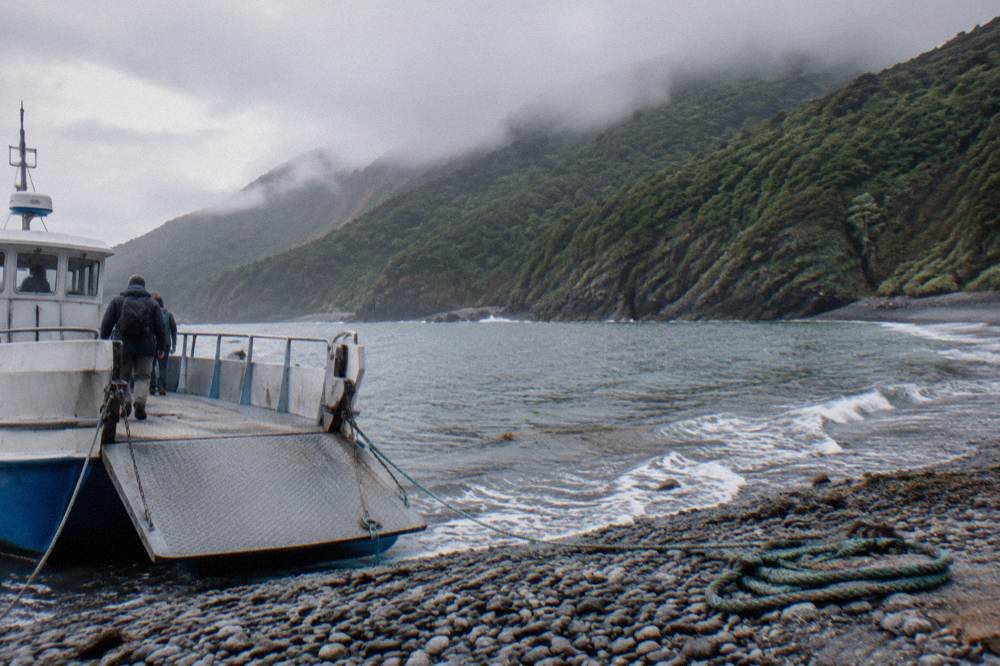
The setting difference is the real decision. A Kapiti Island day starts at Paraparaumu Beach on the Kapiti Coast, with check-in at the operator's office on Marine Parade and the boat leaving from the Kapiti Boating Club. The crossing itself is part of the experience: about 15 to 20 minutes across the Rauoterangi Channel, with seabirds often alongside. The island's tracks are unpaved, the landing is a stony beach by ramp, and the operator advises reasonable fitness, noting the island is not wheelchair accessible and prams are hard to manage. There is no shop and nowhere to buy food on the island, and DOC advises bringing your own water as all water on the island is untreated.
Zealandia asks far less of your logistics. The sanctuary is open every day except Christmas Day, and every tour on this site meets at the visitor centre in Karori, with hotel pickup explicitly not included. You park or bus in, meet the guide, and walk. The 12-person group cap on all three tours keeps the guiding close.
Neither setting is a soft option in the same way. The island trades effort and travel for scale and wildness; the sanctuary trades scale for immediacy. On a short Wellington stay, it pays to plan around where each day trip begins: the Kapiti Island Tours island trips start on the coast rather than in the city, while the Zealandia entrance is a straightforward destination in Wellington itself. DOC's official page on Kapiti Island Nature Reserve sets out the island's access rules in full.
Which Tour Costs Less And How Long Does Each Take?
Zealandia's tours run from $40.23 to $68.97 per person for 2 hours to 2 hours 30 minutes; the Kapiti Island Classic Guided Day Tour is from $186.78 per person for 5 hours, and the Wellington-return version from $305 per person for 6 hours including the shuttle. The Kapiti overnight is $401.73 per person for 2 days and sits outside any like-for-like comparison.
Price and time belong in one table here, because the two destinations sell different units of experience. A Zealandia walk buys a guided couple of hours in a valley; a Kapiti day tour buys a ferry crossing, a DOC permit, an introductory talk, a guided walk and lunch.
| Tour | Setting | Price per person | Duration | Reviews |
|---|---|---|---|---|
| Zealandia Day Tour, Small Group | Karori sanctuary | from $40.23 | 2 hours | rated 4.8 across 248 reviews |
| Zealandia Twilight Tour | Karori sanctuary | from $63.22 | 2 hours 30 minutes | rated 4.8 across 79 reviews |
| Zealandia Night Tour, Small Group | Karori sanctuary | from $68.97 | 2 hours 30 minutes | rated 4.8 across 162 reviews |
| 5-Hour Day Tour, Meal Included | Kapiti Island | from $186.78 | 5 hours | rated 4.8 across 576 reviews |
| 2 Days 1 Night, Meals Included | Kapiti Island | from $401.73 for 2 days | 2 days, 1 night | rated 4.9 across 484 reviews |
The Classic Guided Day Tour is the cheapest Kapiti Island trip and the most reviewed tour anywhere on this site, 4.8 across 576 reviews. It includes the ferry, the DOC permit, an introductory talk, a guided nature and history walk of about an hour, and lunch at the lodge, starting at 08:45 at Paraparaumu Beach with hotel pickup not included. The Wellington-return variant, from $305 per person for 6 hours, adds a shuttle from Wellington accommodation and a cooked lunch, and is the same operator's product rather than a rival: one operator, Kapiti Island Nature Tours, runs all three island trips on this site. Two Zealandia siblings worth reading alongside this comparison are the Kapiti Island or Zealandia planning guide and the Zealandia tours overview.
Which One Is Better For Seeing A Kiwi?
Neither a Zealandia day tour nor the Kapiti day tour is a kiwi tour. The Kapiti overnight trip includes a guided night walk looking for ruru, korora and kiwi pukupuku, but the operator says it cannot guarantee a kiwi sighting; Zealandia's night tour walks the valley after dark with the same absence of any sighting promise.
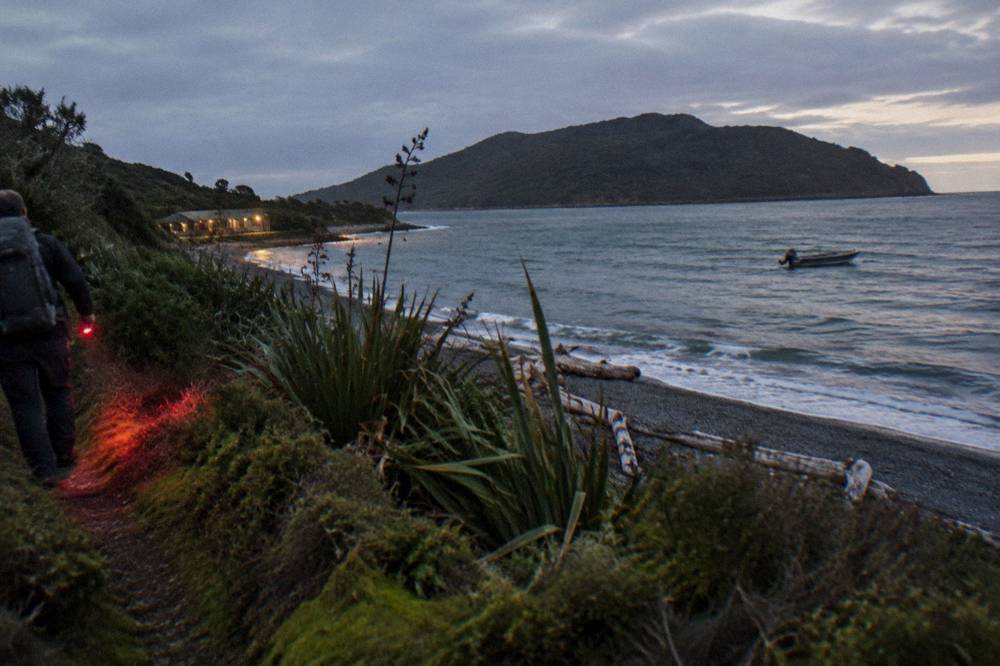
The kiwi question deserves its own honesty. Kapiti's wild kiwi are little spotted kiwi, a species extinct on the mainland, and the overnight trip is the only product on this site that goes looking for them: a guided night walk from accommodation on the operator's private land at Waiorua Bay, never inside the DOC reserve, where overnight stays are not permitted. The operator asks for quiet clothing on the night walk, since nylon and jandals can disturb kiwi, and it states plainly that a sighting cannot be guaranteed.
Zealandia's night tour, from $68.97 per person with a minimum age of 12, is a guided 2-hour-30-minute walk. The same rule applies: no tour on this site promises a kiwi, and the honest framing is that both night products offer a genuine chance, shaped by weather, season and luck.
A third option sits in between. The Nga Manu Kiwi Night Encounter at Waikanae, from $56.90 per person for 1 hour 30 minutes, is an escorted dusk viewing of a resident pair of North Island brown kiwi in a purpose-built habitat, Thursday to Sunday, maximum 10 guests and no photography. It is a different thing again from the wild little spotted kiwi on Kapiti, and the two should never be conflated: one is a habitat viewing, the other a night walk on a predator-free island.
Which Suits Your Schedule, Fitness And Group?
Zealandia tours run 2 hours to 2 hours 30 minutes in a city valley with a 12-person cap and no boat dependency; Kapiti Island trips are 5 hours to a full 2 days on an island with unpaved tracks, a stony beach landing and no shop. Minimum ages are stated only for the Zealandia twilight tour (5) and night tour (12).
Time is the biggest practical divider. A Zealandia day tour costs a morning or an afternoon; a Kapiti day tour costs most of a day once travel to Paraparaumu Beach is included, and the overnight trip costs two days. The island's operator season runs 1 September to 30 June, with sailings usually daily from October to mid-May and Friday to Sunday in the shoulder months depending on demand, so date matters more for the island than for the sanctuary.
Fitness and access differ sharply. The island's tracks are unpaved, the operator advises reasonable fitness, the island is not wheelchair accessible, and prams are hard to manage, with a carrier advised. There is nowhere to buy food on the island, so the tours that include meals matter: the Classic Guided Day Tour includes lunch, the overnight includes dinner, breakfast and two lunches, and the Zealandia day tour includes no food at all.
| Practical point | Kapiti Island tours | Zealandia tours |
|---|---|---|
| Start point | Paraparaumu Beach, Kapiti Coast | Zealandia Visitor Centre, Karori |
| Duration | 5 hours, 6 hours or 2 days | 2 hours to 2 hours 30 minutes |
| Terrain | Unpaved tracks, stony beach landing | Wear sturdy footwear; not wheelchair accessible |
| Group cap | Overnight caps at 18 | All three tours cap at 12 |
| Food | Day tour includes lunch; overnight includes meals | Day tour none; twilight includes coffee or tea |
| Hotel pickup | Not included on the island tours; Wellington shuttle variant exists | Not included on any Zealandia tour |
For families, the stated ages are the only guide: 5 for the Zealandia twilight tour, 12 for the Zealandia night tour, and no stated minimum age on the other tours in this comparison, with the age and health terms sitting on each booking page. The full family angle is covered in the guide to Kapiti Island tours with children.
How Do Weather, Cancellation And Booking Rules Differ?
Every tour compared here offers free cancellation up to 24 hours before the start, but weather differs by tour: the Kapiti Island day tour and overnight need good weather, with another date or a full refund if the weather cancels, while all three Zealandia tours run in all weather conditions and ask you to dress for it.
Weather is where the two settings diverge most. The Kapiti day tour and overnight pages also ask guests to phone between 7 and 7:15 am on the day to confirm the tour is going ahead. DOC's own advice is to contact the operator on the morning of the trip for a weather check.
Zealandia removes that variable almost entirely: all three tours operate in all weather conditions, and the guidance is simply to dress for the day. For a traveller booking weeks ahead who cannot afford a cancelled morning, that certainty has real value, and it is a fair point in the sanctuary's favour. The biosecurity demands differ too: Kapiti's island rules include bag inspections before boarding, sealed food containers and no open food bags, while a Zealandia walk carries no comparable screening.
The 24-hour free cancellation window applies to each of these tours individually, per its own booking terms, and it is worth checking each product's terms before booking rather than assuming a site-wide rule.
Which Should You Choose For Native Birds?
Choose Kapiti Island if you want a full expedition to a predator-free island with seabirds on the crossing and a long wild forest bird list, and choose Zealandia if you want a guided 2-hour native bird walk inside Wellington for a fraction of the price. Birders with two free days often do both.
There is no single winner, and any article that declares one is guessing at your calendar. The strongest version of each choice looks like this. For Kapiti: the Classic Guided Day Tour, from $186.78 per person, 5 hours, 4.8 across 576 reviews, including the ferry, the permit, a guided walk and lunch, or the overnight for the night walk. For Zealandia: the day tour from $40.23 per person with a guide and a 12-person cap, or the night tour from $68.97 per person if the dark hours are the point.
One quiet advantage of the island deserves the last word: the crossing itself. Gannets, fluttering shearwaters and little blue penguins are "often" seen from the boat per DOC, and no land-based sanctuary can put a marine reserve and a forest reserve in the same morning. Zealandia's counter is simple: a guided, low-cost bird walk that runs in all weather, inside the city. Match the choice to your time, your legs and your weather tolerance, and either one returns genuine native birds.
Common Questions About Kapiti Island Or Zealandia For Native Birds
Is A Kapiti Island Tour Or A Zealandia Tour Better For Native Birds?
Kapiti Island offers a longer wild bird list, seabirds on the boat crossing and a full day on a predator-free island reserve; Zealandia offers a guided 2-hour walk among more than 40 recorded native species for a much lower price. Neither tour promises any sighting, so the better choice is the one that fits your schedule and budget.
Can You Guarantee Seeing A Kiwi On Kapiti Island Or At Zealandia?
No. The Kapiti Island operator states plainly that it cannot guarantee a kiwi sighting, and no Zealandia tour promises one either. The Kapiti overnight trip includes a guided night walk looking for ruru, korora and kiwi pukupuku, and the Zealandia night tour walks the valley after dark, but both are chances, not certainties.
Which Is Cheaper, A Kapiti Island Tour Or A Zealandia Tour?
Zealandia tours run from $40.23 to $68.97 per person for 2 hours to 2 hours 30 minutes. The Kapiti Island Classic Guided Day Tour is from $186.78 per person for 5 hours with lunch included, and the Wellington-return version from $305 per person for 6 hours.
Do Kapiti Island Tours Get Cancelled For Weather More Than Zealandia Tours?
The Kapiti day tour and overnight need good weather, with another date or a full refund on a weather cancellation. All three Zealandia tours operate in all weather conditions, so weather cancellations are effectively a Kapiti-side consideration.
How Long Does Each Experience Take?
The Kapiti Island day tour runs 5 hours from Paraparaumu Beach, the Wellington-return version 6 hours including the shuttle, and the overnight 2 days and 1 night. Zealandia tours run 2 hours for the day tour and 2 hours 30 minutes for the twilight and night tours from Karori.
Is There A Night Tour On Kapiti Island Or At Zealandia?
Zealandia does: the night tour walks the valley for 2 hours 30 minutes after dark, from $68.97 per person, torches supplied, minimum age 12. Kapiti Island's only after-dark option is the overnight experience, 2 days and 1 night from $401.73 per person, sleeping at the lodge on private land at Waiorua with a guided night walk and meals. Both Kapiti day tours return to the mainland the same day.